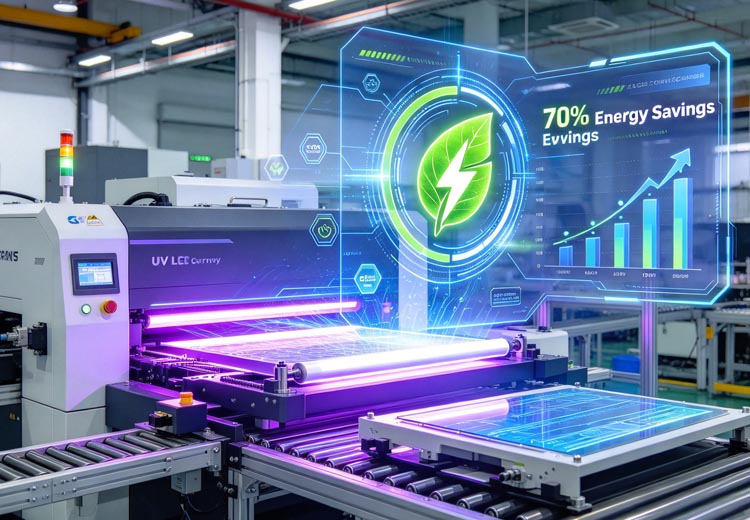
Ultra-Low Power Consumption Design: Save Over 70% on Electricity and Slash Long-Term Costs
News 2026-10-29 66
In industrial manufacturing, energy costs are skyrocketing, and the curing process is often one of the biggest culprits. Traditional UV systems, particularly mercury lamps, waste enormous amounts of electricity by generating intense heat rather than pure light. This article explores the financial and environmental impact of ultra-low power consumption design in UV LED curing. By achieving an electrical-to-optical conversion efficiency of over 70%, utilizing on-demand instant-on technology, and eliminating the need for continuous idle power, modern UV LEDs drastically reduce energy waste, slashing long-term electricity bills and boosting overall profitability.
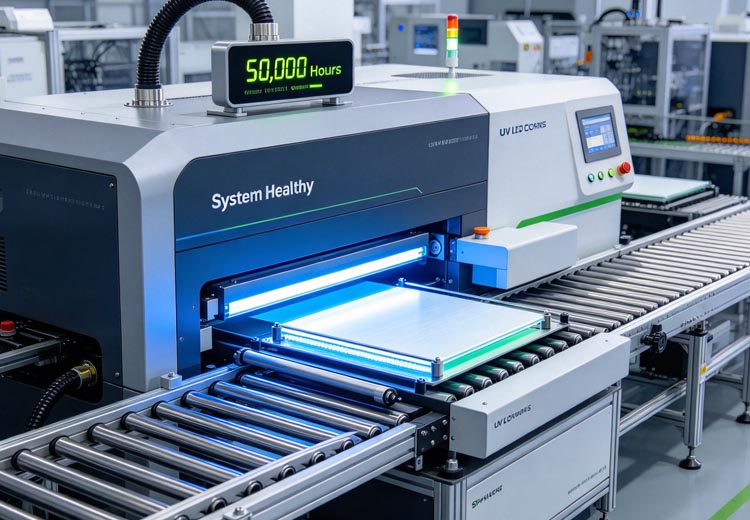
Ultra-Long LED Lifespan: Eliminate Frequent Lamp Replacements and Reduce Downtime
News 2026-10-28 57
In high-volume manufacturing, unplanned downtime is the silent killer of profitability. Traditional UV curing systems, particularly mercury lamps, suffer from notoriously short lifespans, requiring frequent, labor-intensive replacements that halt production. This article explores the engineering and business advantages of the ultra-long lifespan of UV LED technology. By delivering tens of thousands of operational hours with minimal maintenance, UV LEDs eliminate the cycle of constant lamp changes, ensuring maximum uptime, lower operational costs, and uninterrupted production efficiency.
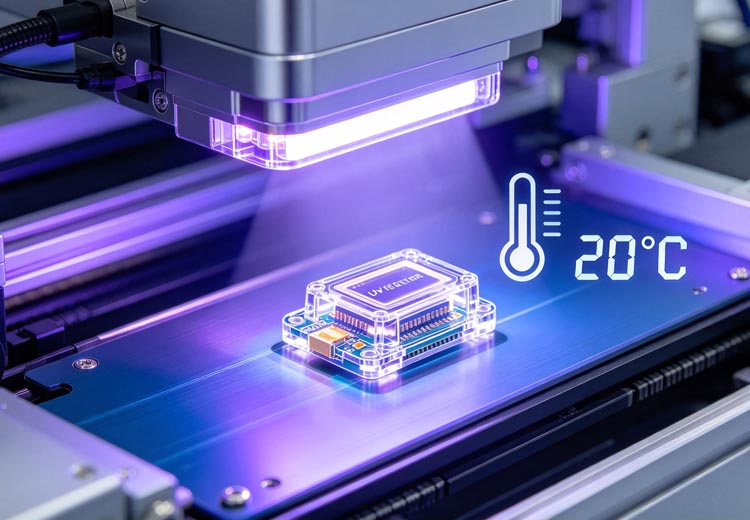
Cold Light Curing Design: Zero Infrared Heat, Zero Workpiece Damage
News 2026-10-27 58
As products become smaller, thinner, and more sophisticated, the materials used in their manufacturing are increasingly sensitive to temperature. Traditional UV curing systems often generate massive amounts of infrared (IR) heat, which can warp plastic films, damage electronic components, or degrade medical sensors. This article explores the engineering of cold light curing design. By utilizing UV LED technology, specialized optics, and advanced cooling, it delivers pure UV energy with almost zero infrared heat, ensuring flawless curing while completely protecting delicate workpieces.
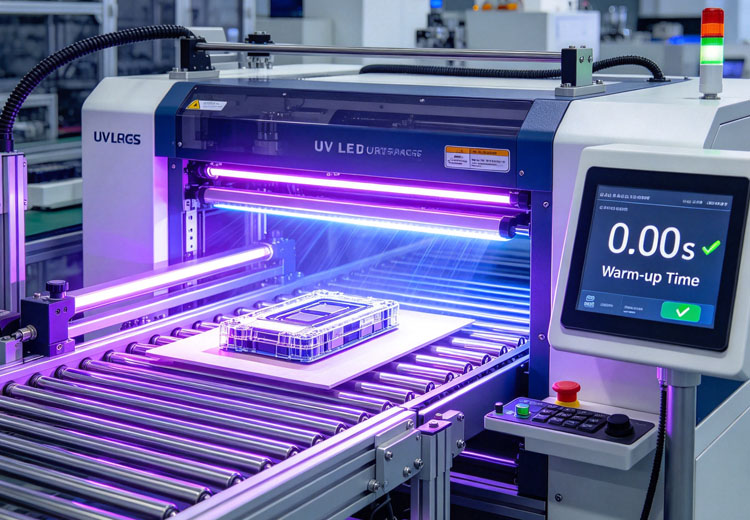
Instant-On UV Curing: No Warm-Up Time, Maximized Production Efficiency
News 2026-10-26 71
In high-speed manufacturing, every second counts. Yet, traditional UV curing systems—particularly mercury lamps—require significant warm-up and cool-down periods before they are ready for production. This unavoidable waiting time eats into throughput, increases scrap rates, and disrupts rapid job changes. This article explores how instant-on UV LED technology eliminates warm-up times. By delivering full curing power instantly at the push of a button, manufacturers can significantly boost production efficiency, reduce energy waste, and achieve a truly on-demand curing process.
Zero LED Degradation: Ensuring Stable Curing Effects in Long-Term Production
News 2026-10-25 64
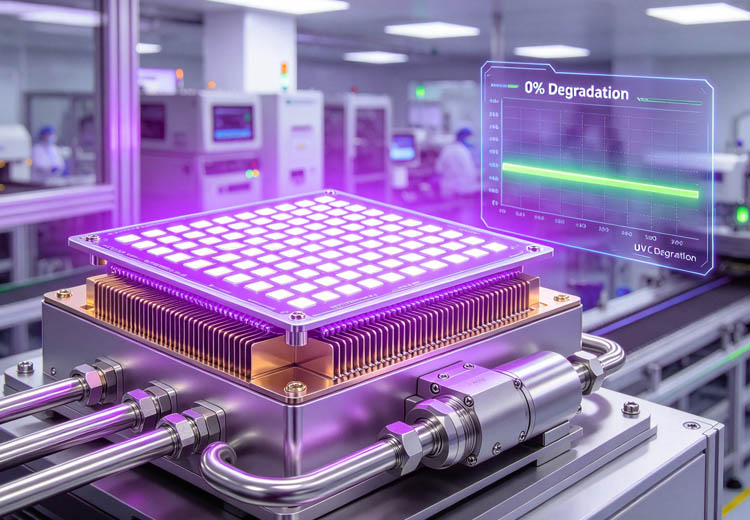
In continuous manufacturing, the greatest threat to yield is not a sudden machine failure, but gradual performance drift. As UV LED chips age, their light output naturally decreases—a phenomenon known as degradation or attenuation. If left unchecked, this means the curing effect weakens over time, leading to undercured products and hidden defects. This article explores the engineering behind achieving "zero LED degradation." By utilizing premium chip packaging, extreme thermal management, and advanced driver controls, manufacturers can ensure that the curing effect remains perfectly stable from day one to year five.
Constant UV Energy Without Attenuation: Ensuring High Batch-to-Batch Consistency
News 2026-10-23 60
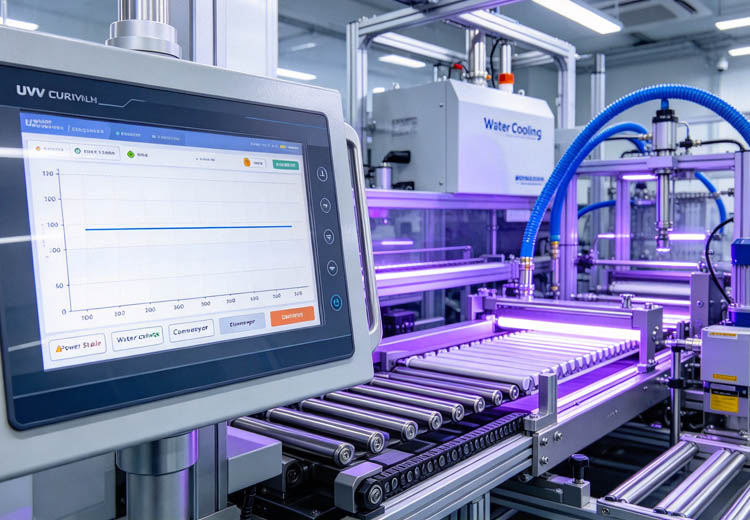
In high-volume manufacturing, "mostly consistent" is a recipe for disaster. If the UV energy fluctuates or degrades over time, the first batch may be perfectly cured while the hundredth batch suffers from undercuring or adhesion failure. This article explores the engineering required to achieve constant UV energy without attenuation. By examining closed-loop feedback systems, advanced thermal management, and optical degradation, we reveal how to eliminate variables and guarantee highly uniform quality across every single production batch.
Soft and Uniform Light Source: Achieving Crystal-Clear Adhesive Layers Without Whitening
News 2026-10-22 66
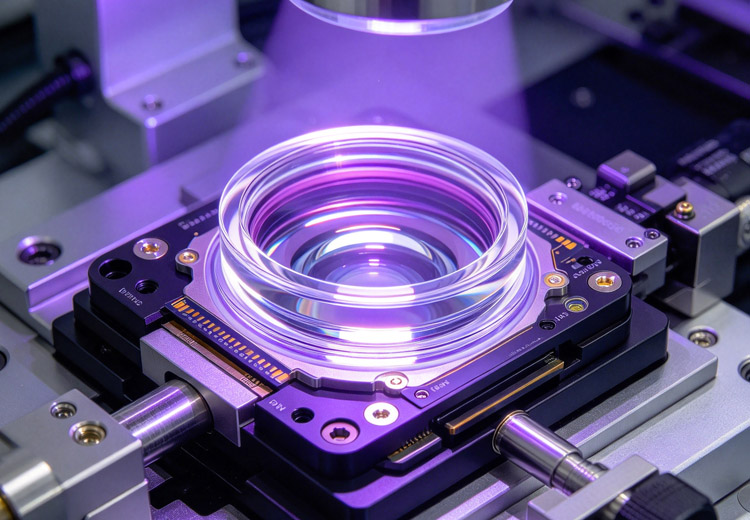
In optical bonding, display assembly, and precision electronics, the clarity of the adhesive layer is non-negotiable. Yet, UV curing often introduces frustrating defects: the adhesive turns milky white or develops a surface haze. These issues are frequently caused by aggressive, uneven light and excessive thermal gradients. This article explores how a soft and uniform light source solves this problem. By eliminating hot spots, controlling polymerization shrinkage, and preventing thermal degradation, uniform illumination ensures that the cured adhesive remains crystal clear, preserving optical performance and product quality.
100% Cross-Link Cure: Achieving Pinhole-Free Adhesion and Stable Waterproof Ratings
News 2026-10-21 79
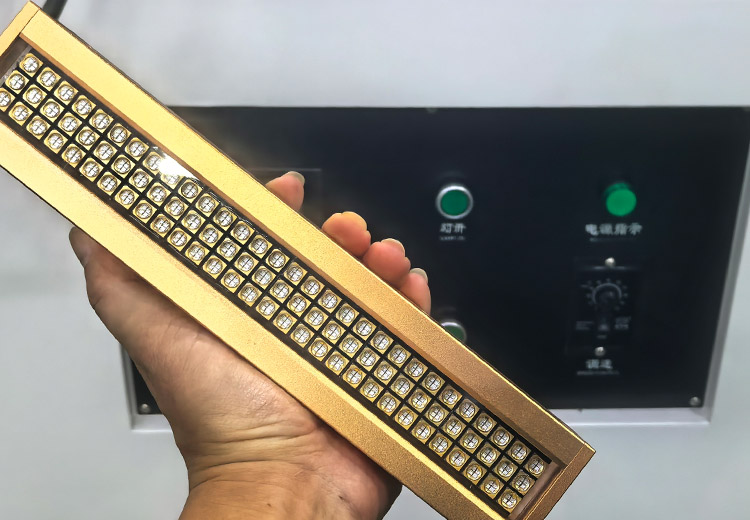
Waterproof failure is rarely a surface issue; it usually originates from microscopic defects deep within the adhesive layer. Incomplete cross-linking and micro-voids create pathways for moisture ingress, jeopardizing products requiring stable waterproof ratings like IP67 or IP68. This article explores the science of achieving a 100% cross-link cure in adhesives. It details the root causes of pinholes, oxygen inhibition, and shrinkage stress, and provides actionable strategies—including optimized light uniformity, inert gas purging, and precise thermal management—to guarantee a pinhole-free bond and a consistently stable waterproof seal.
Whole-Surface Energy Uniformity: Consistent Cure and Zero Local Defects
News 2026-10-20 63
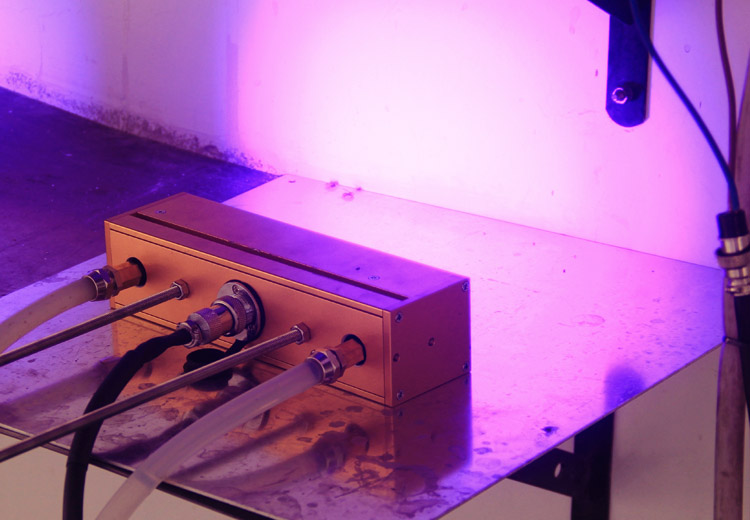
Localized undercuring is a hidden threat in manufacturing. A product may look perfect but harbor soft spots, leading to premature failure, delamination, or surface defects. This article explores the critical role of whole-surface energy uniformity in achieving consistent cure and zero localized defects. By addressing light distribution, reflector design, dose mapping, and thermal management, manufacturers can eliminate the guesswork from the curing process. We outline practical strategies to ensure every square millimeter of the product receives the exact energy required for a flawless, repeatable cure.
Full-Field Uniform Illumination: Complete Cure at Edges, Corners, and Shadowed Areas
News 2026-10-19 71
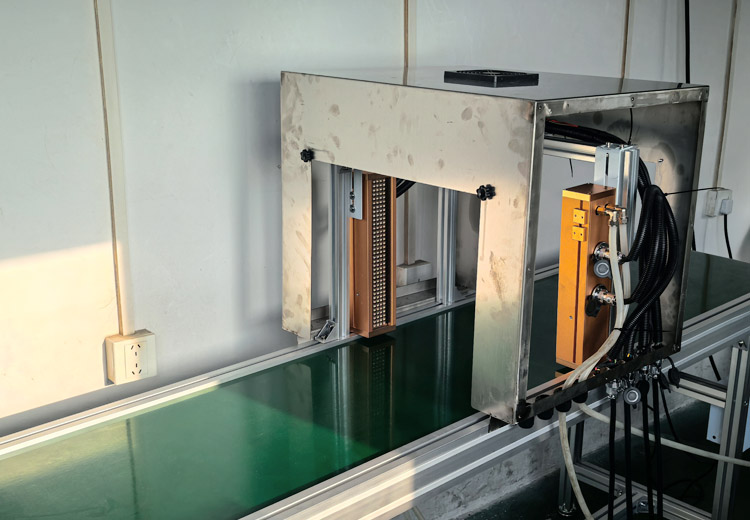
A curing system can look perfect in the center and still leave edges, corners, recesses, and shadowed sidewalls undercured. This article explains how full-field uniform illumination distributes light more evenly across the entire cure zone. It covers why shadows form, how optics and reflectors shape the light field, why dose uniformity matters more than a single bright spot, how to handle 3D parts, and how to validate cure at the hardest-to-reach locations. A practical checklist helps readers turn edge and shadow cure into a repeatable process.
Strong Penetrating Light Source: Full Cure Through Thick Adhesive Layers and On-Spec Bond Strength
News 2026-10-18 83
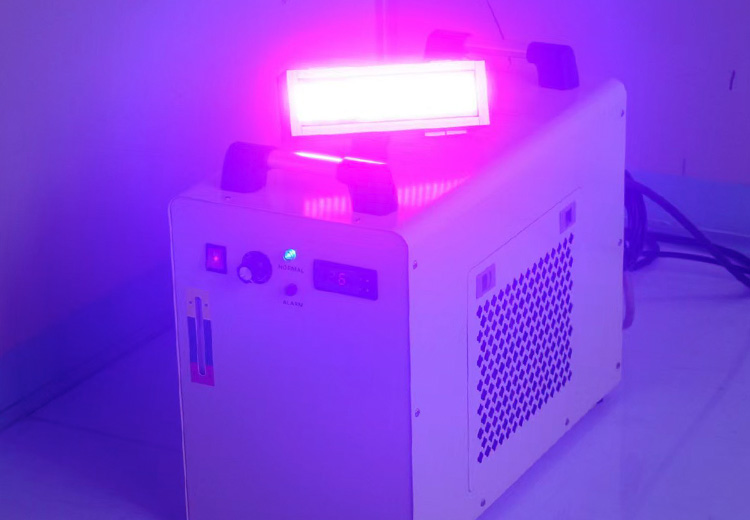
Thick adhesive layers often fail silently: the surface looks cured while the lower layer remains undercured and bond strength falls short. This article explains how a strong penetrating light source achieves fuller through-cure by combining matched wavelength, high peak irradiance, sufficient total dose, uniform illumination, and thermal control. It covers why thick layers resist cure, how to match photoinitiators, why dose and irradiance are not interchangeable, how to validate full cure through the layer, and how to test bond strength against specification. A practical checklist and troubleshooting guide help readers turn deep cure into a repeatable production process.
High-Energy UV Output: How Dark Inks Dry in One Pass and Yield Stays High
News 2026-10-16 71
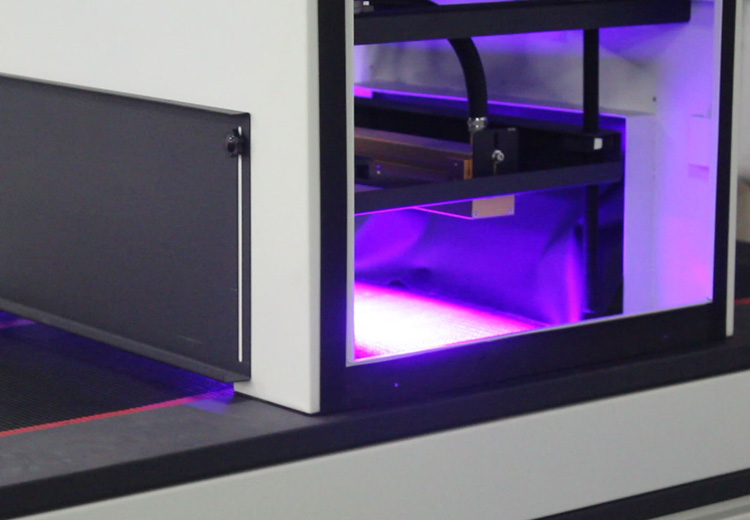
Dark inks are difficult to cure because dense pigments absorb UV energy, leaving lower ink layers undercured. This article explains how high-energy UV output—high peak irradiance plus sufficient total dose at a matched wavelength—enables one-pass drying for black, navy, and other deep-color inks. When ink chemistry, film thickness, substrate, cooling, and UV optics are properly controlled, printers achieve stronger adhesion, better rub and scratch resistance, less set-off, and fewer rejects. The result is higher yield, less rework, and more stable production in label, packaging, and industrial printing. A practical checklist and a UV LED vs mercury comparison help readers validate one-pass curing in real production.
