Low-Heat UV Curing Design: 24/7 Continuous Production Even in Summer
News 2026-11-04
The Summer Production Nightmare
Imagine this: It’s the middle of July. The factory floor is already hot, and the air conditioning is struggling to keep up. You’re trying to hit a tight deadline, but your production line keeps stalling. Why? Because your UV curing lamps are radiating massive amounts of heat.
If you’re using traditional UV lamps, you know the struggle. They get incredibly hot—like, “burn your hand if you touch it” hot. When the ambient temperature rises in summer, this heat becomes a massive problem. Products warp, sensitive electronics get damaged, and operators have to slow down the conveyor belt just to prevent the materials from melting. And if the machine itself overheats? It just shuts down. So much for continuous production.
Why Traditional Systems Overheat
Most traditional UV systems use mercury lamps. These work by heating gas until it glows. The problem is, they generate way more heat than they do actual UV light.
That heat has to go somewhere. It radiates directly onto your product. In the winter, maybe you can get away with it. But in summer, that extra thermal energy pushes everything over the edge. You can’t run 24/7 because the line needs to stop, cool down, and reset.
The “Cold” Reality of Low-Heat Design
This is where low-heat UV LED technology completely changes the game.
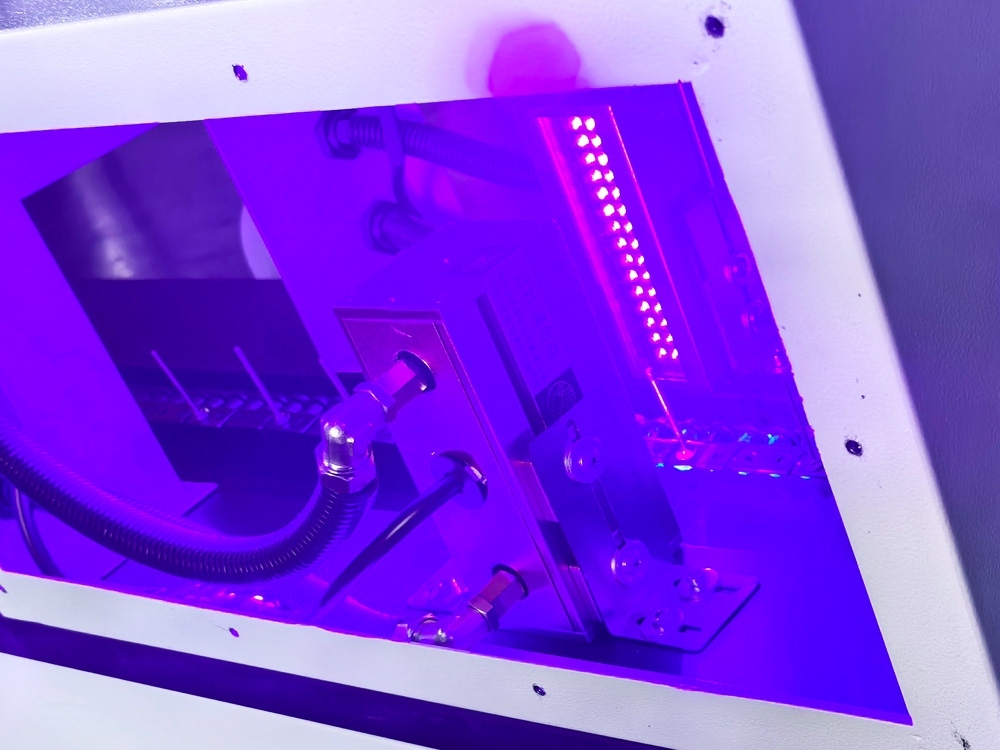
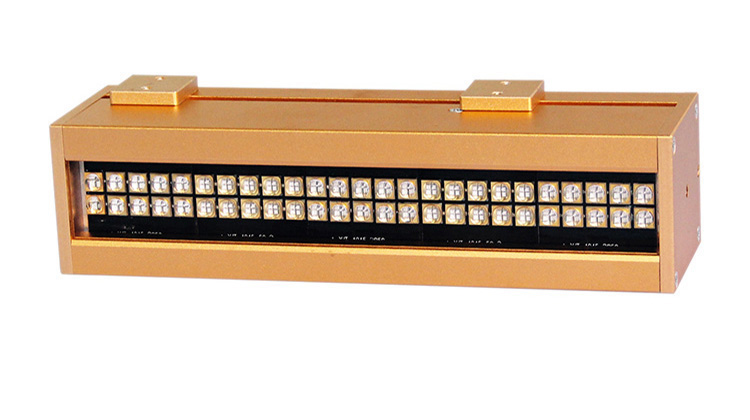
UV LEDs are built differently. They don’t use heated gas. They use semiconductors to turn electricity directly into UV light. Because of this, they produce almost zero infrared heat.
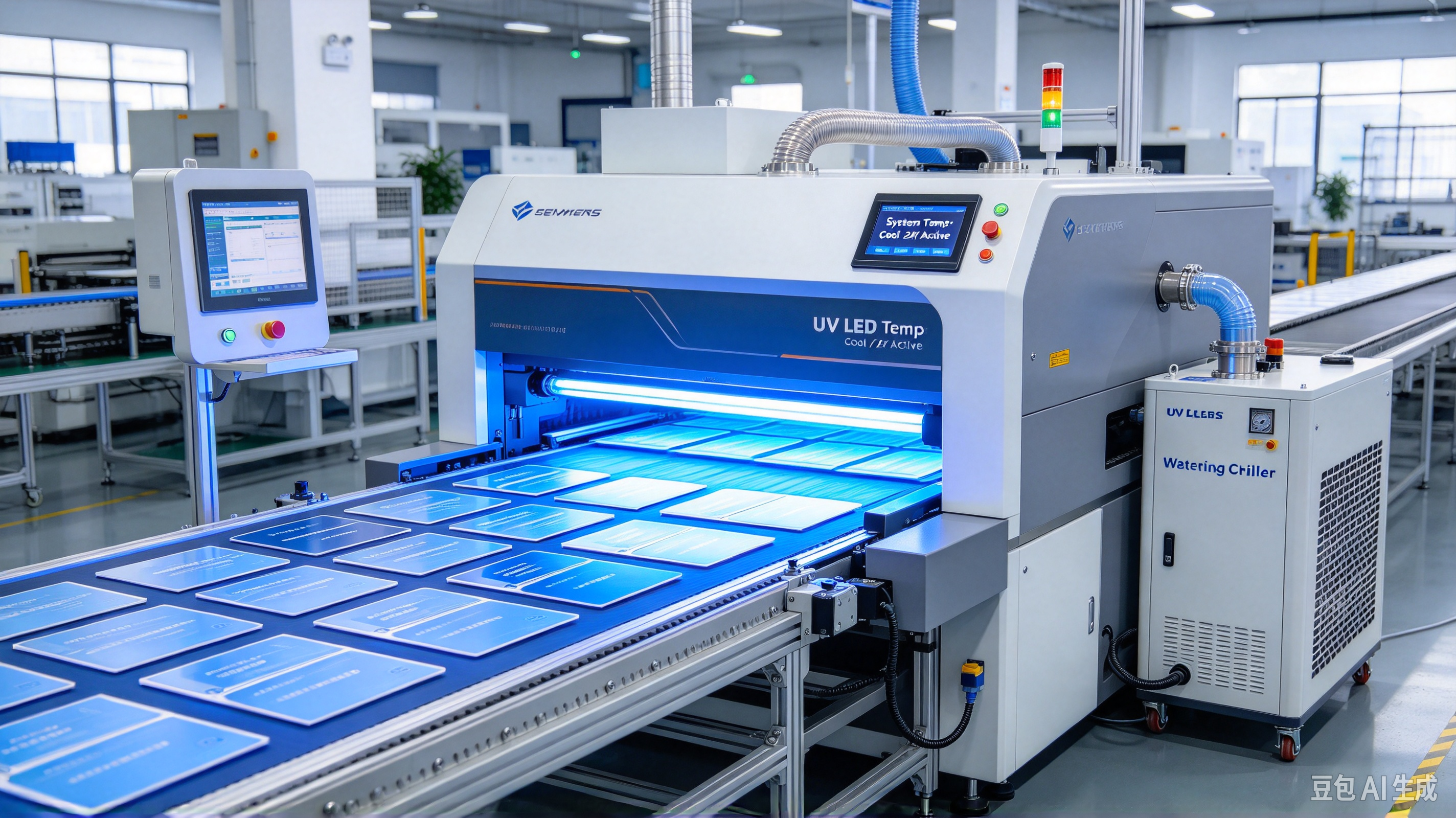
But let’s be real—LEDs do generate some heat at the back of the chip. The magic of a proper low-heat design is where that heat goes. Instead of letting it radiate down onto your product, advanced systems use heavy-duty heat sinks and integrated water chillers. The heat is pulled backward and piped away by liquid cooling. What actually hits your product is pure, cool UV light.
Running 24/7 Without Breaking a Sweat
With a low-heat design, the summer heat is no longer your enemy. Here is what 24-hour production looks like:
No More Slowing Down: You don’t have to reduce the conveyor speed to protect your products from getting cooked. Run at maximum speed, day or night.
Zero Thermal Damage: Heat-sensitive materials like thin plastics, electronic sensors, and medical packaging can pass under the light without warping, melting, or yellowing.
No Downtime for Overheating: Because the LED system is liquid-cooled, the machine itself stays cool. It doesn’t need to pause and “catch its breath.” It just keeps running, shift after shift.
The Hidden Financial Win
Running a factory in the summer is expensive. Air conditioners work overtime just to fight the heat generated by traditional lamps.
By switching to a low-heat UV system, you are killing two birds with one stone. First, you eliminate the heat generated by the UV process itself, meaning your factory stays cooler. Second, your AC system doesn’t have to work as hard, which slashes your electricity bills. You get 24/7 production and lower energy costs.
Final Thoughts
Production doesn’t take a summer vacation, and your UV curing system shouldn’t either. If you are tired of dealing with warped products, slow line speeds, and machines that constantly need to cool down, it’s time to upgrade. Low-heat UV LED design takes the thermal nightmare out of manufacturing, allowing you to run full-speed, 24 hours a day, no matter how hot it gets outside.