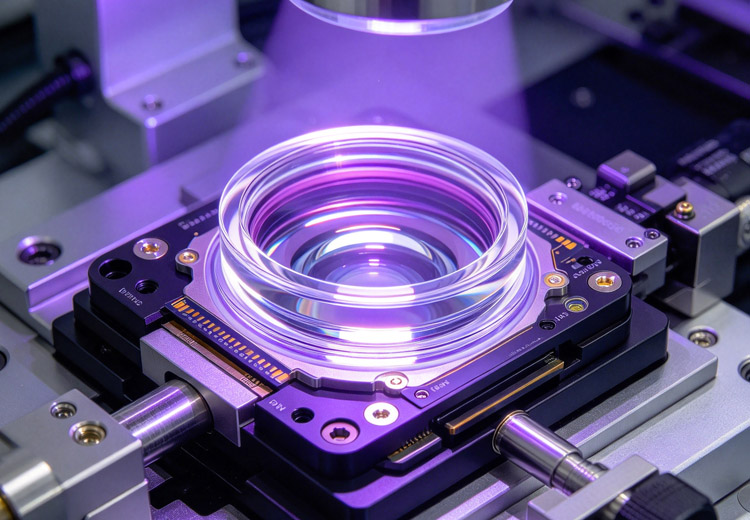
Soft and Uniform Light Source: Achieving Crystal-Clear Adhesive Layers Without Whitening
News 2026-10-22 86
In optical bonding, display assembly, and precision electronics, the clarity of the adhesive layer is non-negotiable. Yet, UV curing often introduces frustrating defects: the adhesive turns milky white or develops a surface haze. These issues are frequently caused by aggressive, uneven light and excessive thermal gradients. This article explores how a soft and uniform light source solves this problem. By eliminating hot spots, controlling polymerization shrinkage, and preventing thermal degradation, uniform illumination ensures that the cured adhesive remains crystal clear, preserving optical performance and product quality.
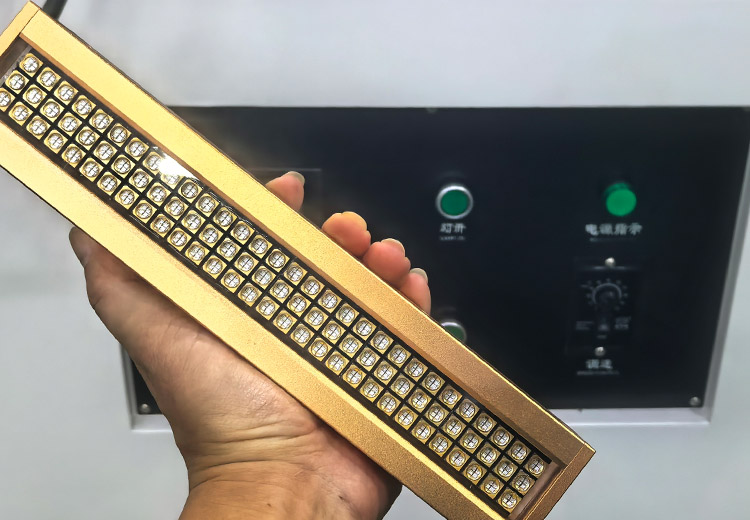
100% Cross-Link Cure: Achieving Pinhole-Free Adhesion and Stable Waterproof Ratings
News 2026-10-21 100
Waterproof failure is rarely a surface issue; it usually originates from microscopic defects deep within the adhesive layer. Incomplete cross-linking and micro-voids create pathways for moisture ingress, jeopardizing products requiring stable waterproof ratings like IP67 or IP68. This article explores the science of achieving a 100% cross-link cure in adhesives. It details the root causes of pinholes, oxygen inhibition, and shrinkage stress, and provides actionable strategies—including optimized light uniformity, inert gas purging, and precise thermal management—to guarantee a pinhole-free bond and a consistently stable waterproof seal.
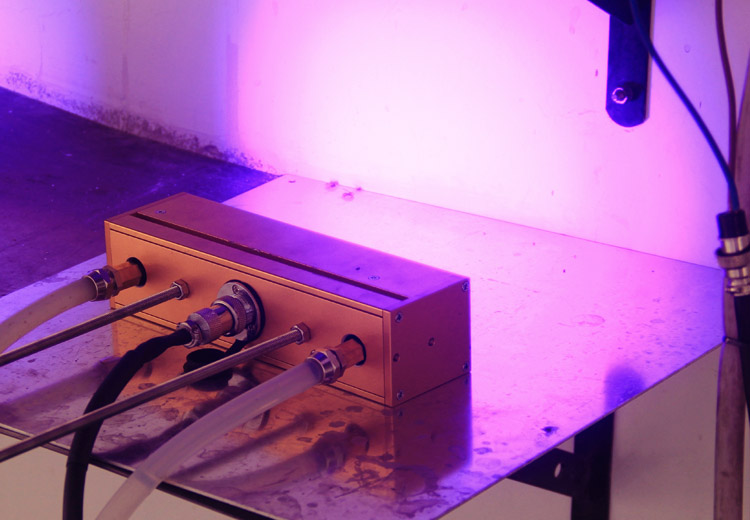
Whole-Surface Energy Uniformity: Consistent Cure and Zero Local Defects
News 2026-10-20 86
Localized undercuring is a hidden threat in manufacturing. A product may look perfect but harbor soft spots, leading to premature failure, delamination, or surface defects. This article explores the critical role of whole-surface energy uniformity in achieving consistent cure and zero localized defects. By addressing light distribution, reflector design, dose mapping, and thermal management, manufacturers can eliminate the guesswork from the curing process. We outline practical strategies to ensure every square millimeter of the product receives the exact energy required for a flawless, repeatable cure.
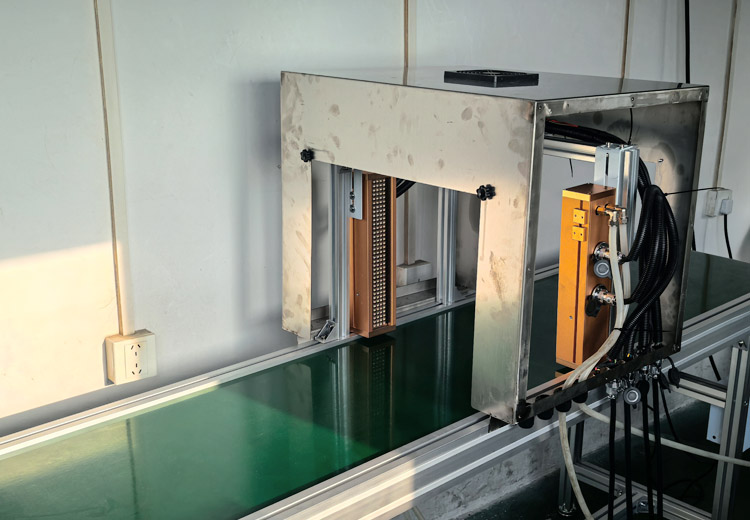
Full-Field Uniform Illumination: Complete Cure at Edges, Corners, and Shadowed Areas
News 2026-10-19 94
A curing system can look perfect in the center and still leave edges, corners, recesses, and shadowed sidewalls undercured. This article explains how full-field uniform illumination distributes light more evenly across the entire cure zone. It covers why shadows form, how optics and reflectors shape the light field, why dose uniformity matters more than a single bright spot, how to handle 3D parts, and how to validate cure at the hardest-to-reach locations. A practical checklist helps readers turn edge and shadow cure into a repeatable process.
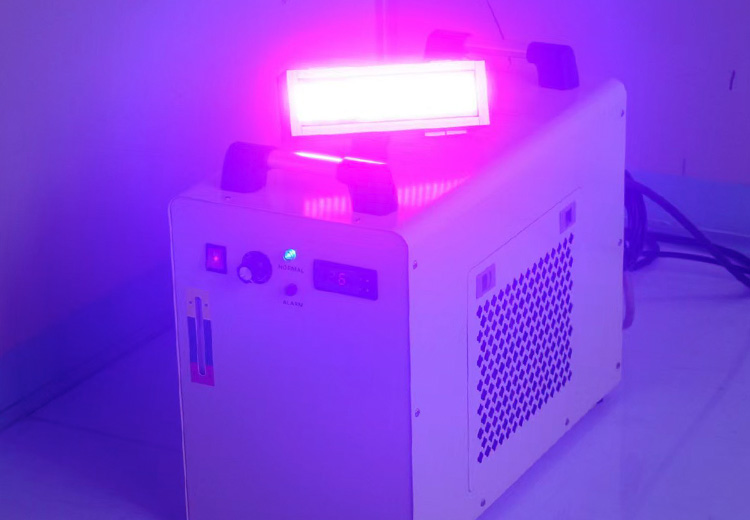
Strong Penetrating Light Source: Full Cure Through Thick Adhesive Layers and On-Spec Bond Strength
News 2026-10-18 107
Thick adhesive layers often fail silently: the surface looks cured while the lower layer remains undercured and bond strength falls short. This article explains how a strong penetrating light source achieves fuller through-cure by combining matched wavelength, high peak irradiance, sufficient total dose, uniform illumination, and thermal control. It covers why thick layers resist cure, how to match photoinitiators, why dose and irradiance are not interchangeable, how to validate full cure through the layer, and how to test bond strength against specification. A practical checklist and troubleshooting guide help readers turn deep cure into a repeatable production process.
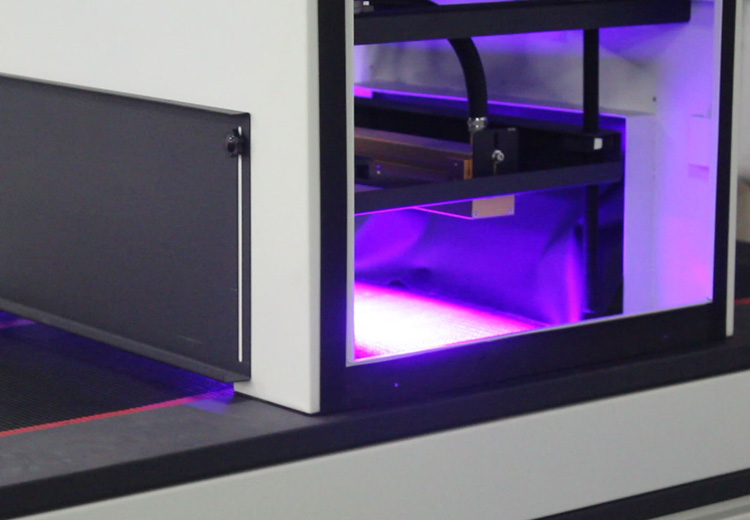
High-Energy UV Output: How Dark Inks Dry in One Pass and Yield Stays High
News 2026-10-16 91
Dark inks are difficult to cure because dense pigments absorb UV energy, leaving lower ink layers undercured. This article explains how high-energy UV output—high peak irradiance plus sufficient total dose at a matched wavelength—enables one-pass drying for black, navy, and other deep-color inks. When ink chemistry, film thickness, substrate, cooling, and UV optics are properly controlled, printers achieve stronger adhesion, better rub and scratch resistance, less set-off, and fewer rejects. The result is higher yield, less rework, and more stable production in label, packaging, and industrial printing. A practical checklist and a UV LED vs mercury comparison help readers validate one-pass curing in real production.
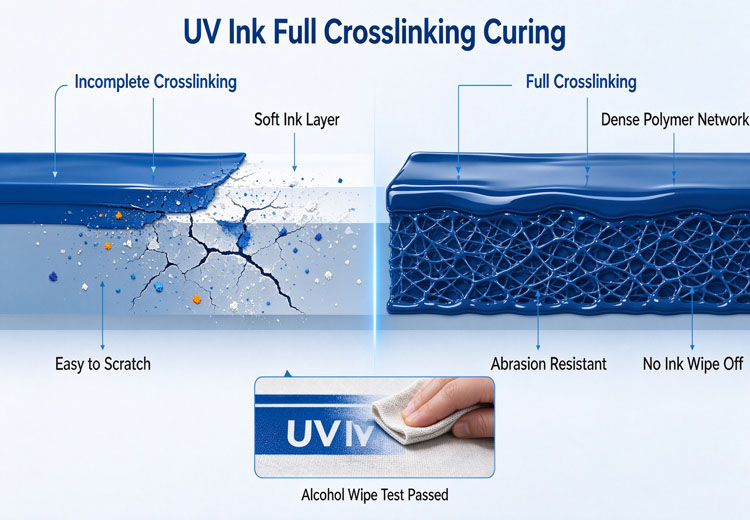
Full Crosslinking UV Ink Curing: Excellent Abrasion Resistance, Ink Does Not Wipe Off
News 2026-10-15 95
Many printing factories face the problem of ink wiping off after UV curing. This usually comes from incomplete crosslinking inside the ink film. Our LED UV curing system provides matched UV spectrum and uniform energy output, enabling full crosslinking polymerization. The cured ink coating resists continuous friction and solvent wiping without ink loss.
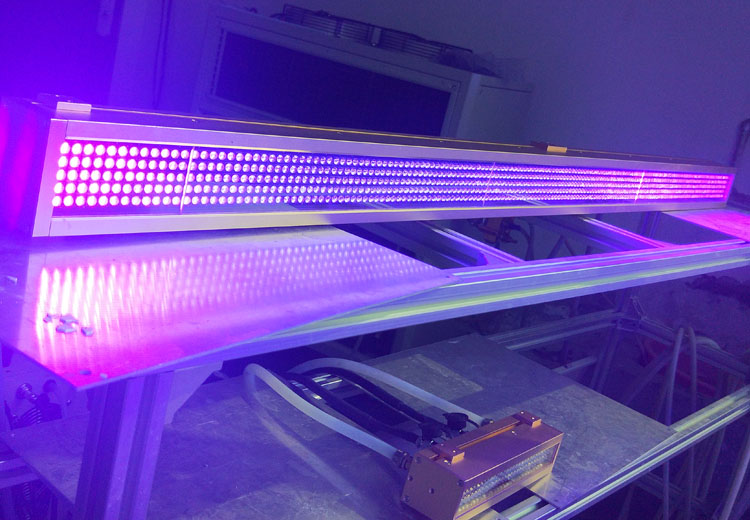
YJT-CT5-1200A LED UV Curing Lamp: Deep Penetration Curing, Dry Surface & Fully Cured Inner Layer Without Residual Tack
News 2026-10-15 79
A common headache in UV curing is a seemingly dry surface but sticky inner layer. This incomplete curing issue causes poor adhesion and product failure. Our YJT-CT5-300A LED UV curing lamp adopts optimized spectrum design for deep light penetration. It cures both surface and inner material thoroughly, with no residual tack on thick UV glue and ink layers.
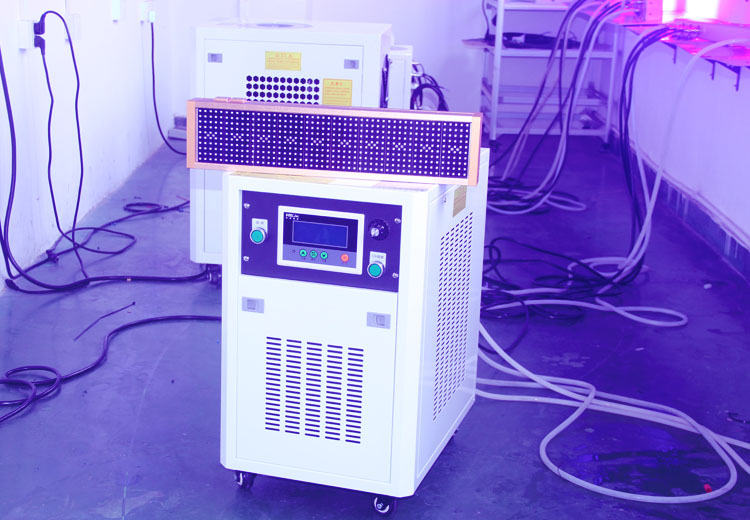
LED UV Curing System Designed for Heat-Sensitive Materials: Cure Ultra-Thin, Easy-to-Deform Substrates Without Distortion
News 2026-10-13 110
Thin, heat-sensitive substrates are extremely vulnerable to heat during traditional UV curing. Even small temperature rises can lead to curling, wrinkling and dimensional defects. Our dedicated LED UV curing system controls heat load precisely, completing ink and adhesive curing without deforming delicate ultra-thin materials.
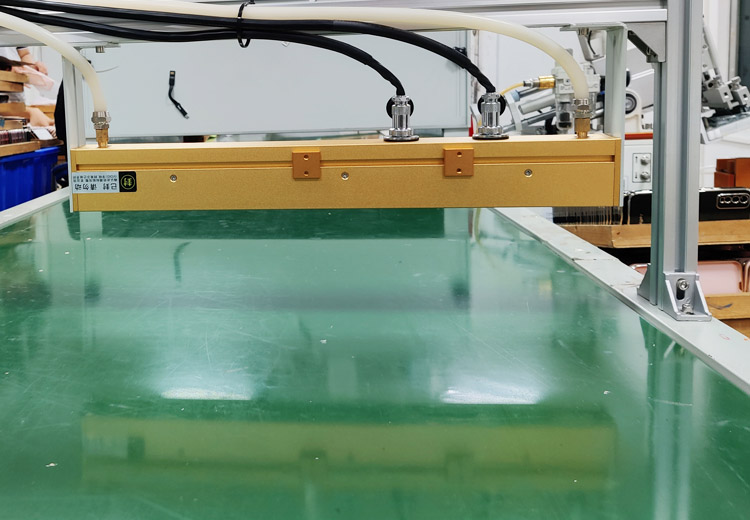
Controllable Low-Temperature LED UV Curing: Prevent Soft Material Shrinkage for Precise Dimensional Consistency
News 2026-10-12 98
Soft adhesive materials are highly sensitive to heat. Traditional UV curing releases massive heat and causes shrinkage and dimensional deviation of finished parts. Our LED UV curing equipment features controllable low-temperature curing, effectively eliminating thermal shrinkage, keeping consistent size and improving product pass rate for flexible glue components.
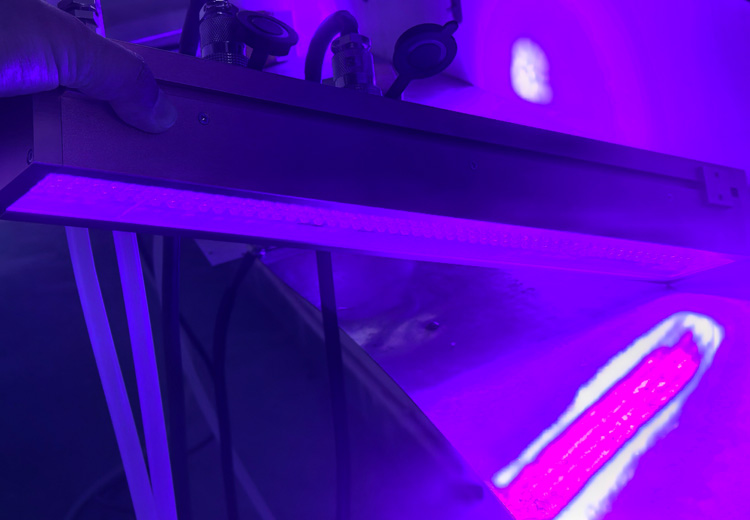
No High-Temperature Radiation: LED UV Curing Keeps Electroplated & Coated Parts From Discoloration and Gloss Loss
News 2026-10-11 97
Many manufacturers of electroplated and coated products have encountered a troublesome problem after UV curing: the product surface loses luster, turns yellow or discolors after passing through the UV machine. This issue mostly comes from the massive infrared thermal radiation of traditional mercury lamps. LED UV curing systems only output effective ultraviolet light without high-temperature radiation, so the delicate surface layers of electroplated and coated components stay intact, maintaining original color and gloss.
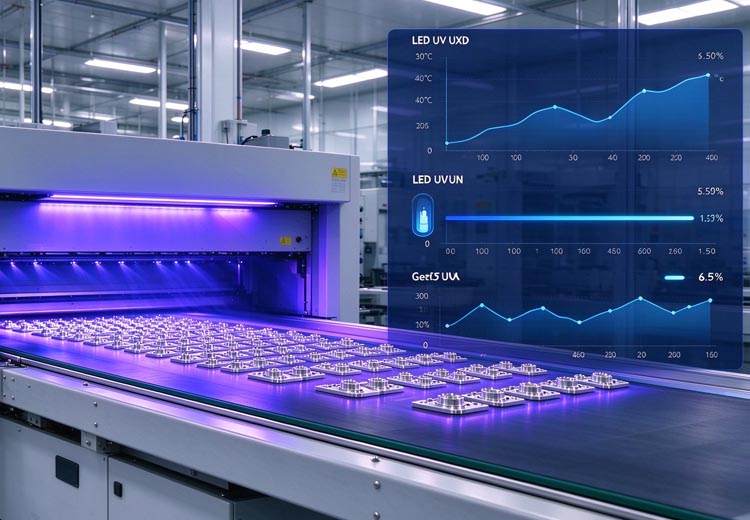
Stable Constant Temperature Output, Minimal Batch Temperature Difference, Steady Yield Without Fluctuation
News 2026-10-08 97
Small temperature changes during UV curing are the main cause of inconsistent ink adhesion, uneven coating, and unstable finished product quality. Different from traditional mercury lamps that heat up gradually, our industrial LED UV curing lamps provide long-term constant temperature and stable UV output, effectively controlling batch-to-batch differences and maintaining stable production yield all year round.
