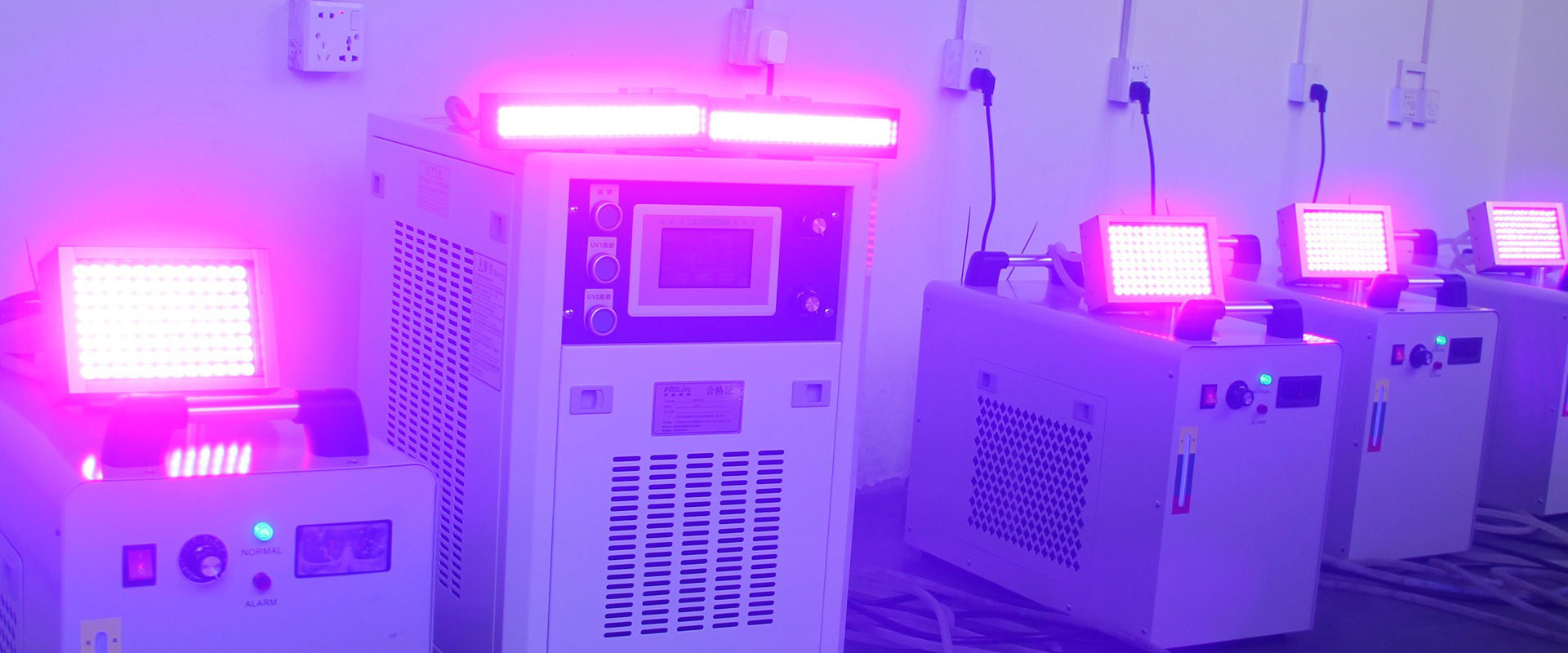
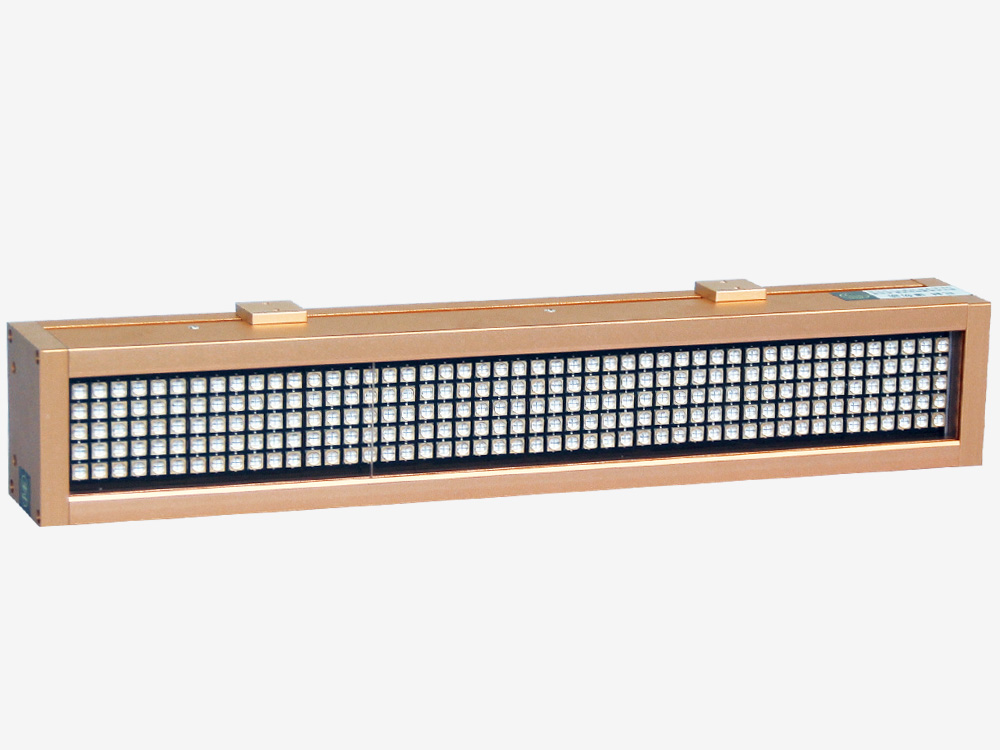
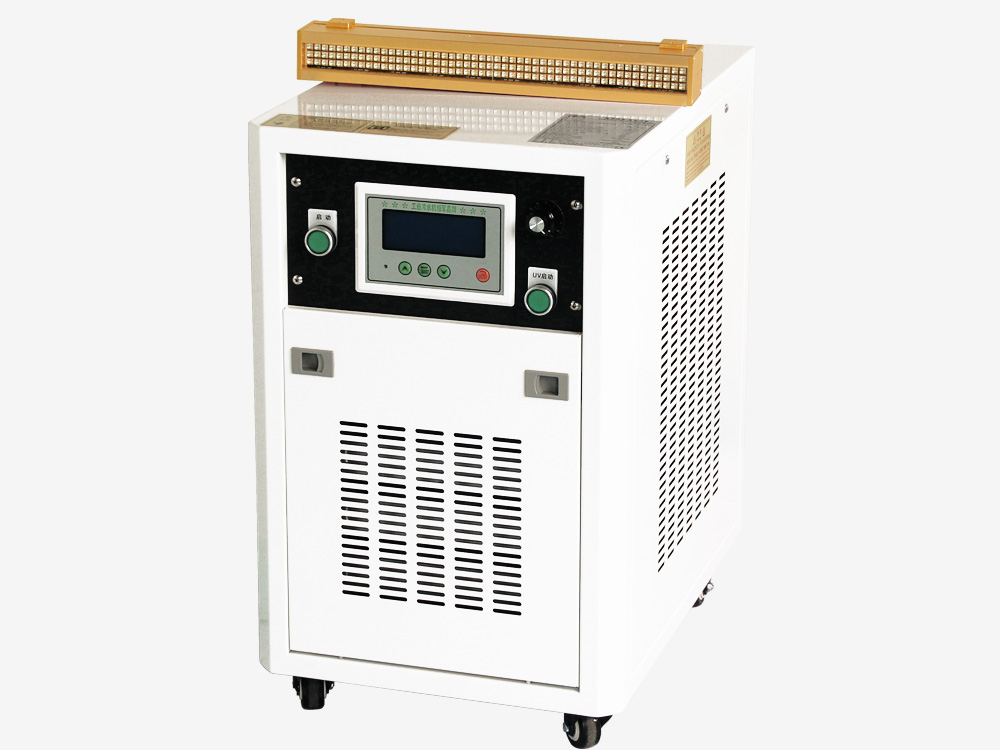
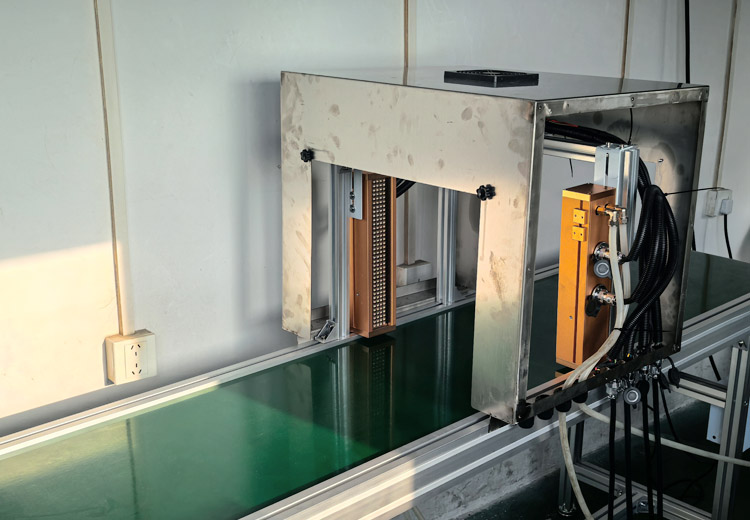
Looking for high-performance UV curing lamps or UV curing machines? We offer industry-leading UV curing solutions suitable for a wide range of industrial applications. Whether it’s printing, coating, or bonding processes, our equipment ensures fast and uniform curing, significantly enhancing your production efficiency and product quality.
China Youjiete Optoelectronics Co., Ltd, founded by senior UV‑curing experts since 2012, manufactures high‑quality LED UV curing lamps & equipment. We deliver reliable UV curing solutions for UV glue, ink and coating, offering OEM service, 2‑year warranty and professional global after‑sales support.
Company
Patent
Service
Case
Stay updated with the latest advancements in UV curing technology! Our innovative UV curing lamps and machines are driving efficient and eco-friendly industry growth. Click to learn more!
A curing system can look perfect in the center and still leave edges, corners, recesses, and shadowed sidewalls undercured. This article explains how full-field uniform illumination distributes light more evenly across the entire cure zone. It covers why shadows form, how optics and reflectors shape the light field, why dose uniformity matters more than a single bright spot, how to handle 3D parts, and how to validate cure at the hardest-to-reach locations. A practical checklist helps readers turn edge and shadow cure into a repeatable process.
Thick adhesive layers often fail silently: the surface looks cured while the lower layer remains undercured and bond strength falls short. This article explains how a strong penetrating light source achieves fuller through-cure by combining matched wavelength, high peak irradiance, sufficient total dose, uniform illumination, and thermal control. It covers why thick layers resist cure, how to match photoinitiators, why dose and irradiance are not interchangeable, how to validate full cure through the layer, and how to test bond strength against specification. A practical checklist and troubleshooting guide help readers turn deep cure into a repeatable production process.
Dark inks are difficult to cure because dense pigments absorb UV energy, leaving lower ink layers undercured. This article explains how high-energy UV output—high peak irradiance plus sufficient total dose at a matched wavelength—enables one-pass drying for black, navy, and other deep-color inks. When ink chemistry, film thickness, substrate, cooling, and UV optics are properly controlled, printers achieve stronger adhesion, better rub and scratch resistance, less set-off, and fewer rejects. The result is higher yield, less rework, and more stable production in label, packaging, and industrial printing. A practical checklist and a UV LED vs mercury comparison help readers validate one-pass curing in real production.