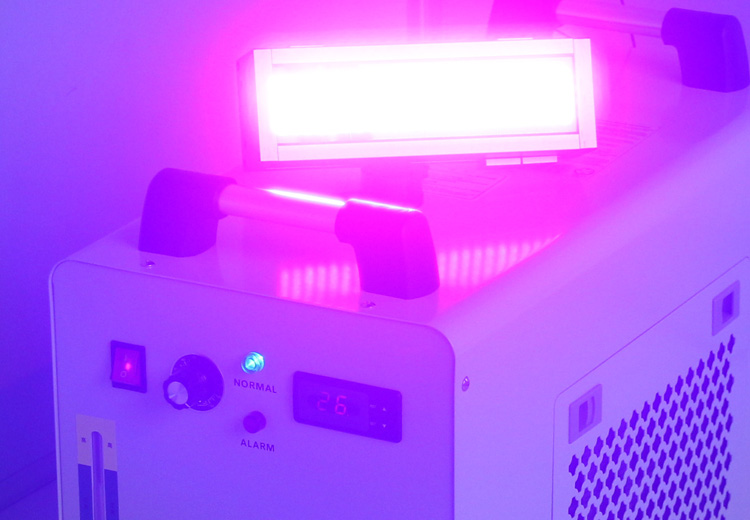
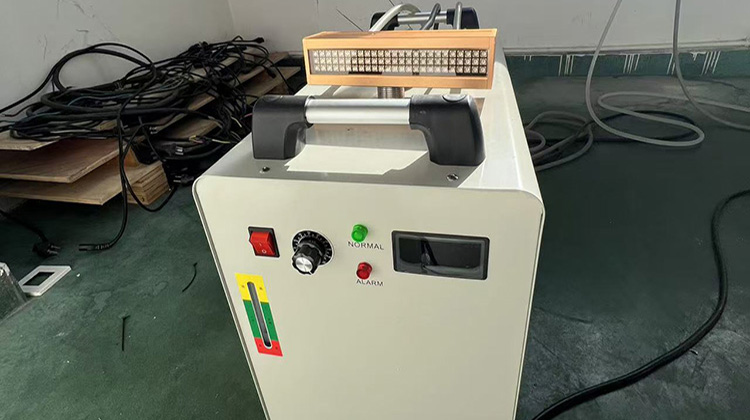
LED UV Curing System Designed for Heat-Sensitive Materials: Cure Ultra-Thin, Easy-to-Deform Substrates Without Distortion
News 2026-10-13
Manufacturers working with delicate thin substrates often face a tough production bottleneck. Many ultra-thin films, flexible foils and lightweight plastic parts are heat-sensitive. These materials deform easily once exposed to high temperature. Traditional mercury UV lamps release massive infrared radiation. The sudden heat surge curls thin films, creates wrinkles and causes permanent dimensional distortion, resulting in high scrap rates in mass production.
For ultra-thin substrates, thermal tolerance is extremely low. Even a short heating cycle may stretch or warp the material. Once the base material deforms, printed patterns and bonded layers cannot meet quality standards. This challenge limits the application of UV curing technology in flexible electronics, thin label film, ultra-thin coating and precision lamination industries.
Our LED UV curing system is specially engineered for heat-sensitive materials. Different from conventional mercury lamp equipment, it removes most infrared thermal radiation. Only effective UV wavelength energy is applied to trigger cross-linking reactions of UV ink and UV adhesive. The temperature rise on workpiece surface stays minimal during the whole curing process.
The uniform flat light output ensures even curing across the entire surface of ultra-thin parts. Operators can adjust UV intensity and line speed according to different substrate characteristics. The curing reaction finishes quickly, which shortens the exposure time of sensitive materials under light. It effectively eliminates thermal stress that causes curling, wrinkling and deformation.
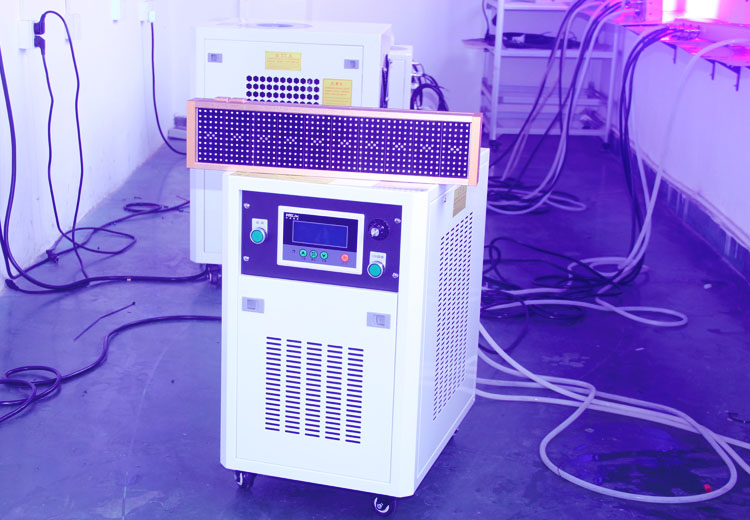
This cold curing solution supports a wide range of hard-to-process substrates, including thin PET film, PP film, flexible circuit film, thin thermal sensitive labels and other easily deformable composite materials. The finished substrate remains flat and stable after curing, without shrinkage, warping or discoloration. Ink layers and adhesive bonds maintain reliable performance without damaging the base material.
In automated production lines, the LED UV curing module can be seamlessly integrated with conveyor systems. Continuous mass curing keeps consistent quality for every piece. Factories reduce material waste and rework costs, and meet strict quality requirements of precision and flexible product manufacturing.
If your production involves ultra-thin, heat-sensitive substrates that are prone to deformation under high heat, our custom LED UV low-temperature curing solution provides a reliable alternative to mercury lamp curing. It balances fast curing speed and substrate protection, helping you expand your material processing capability.