What Materials Can UV Glue Bond with LED UV Curing Light Curing
News 2026-08-17
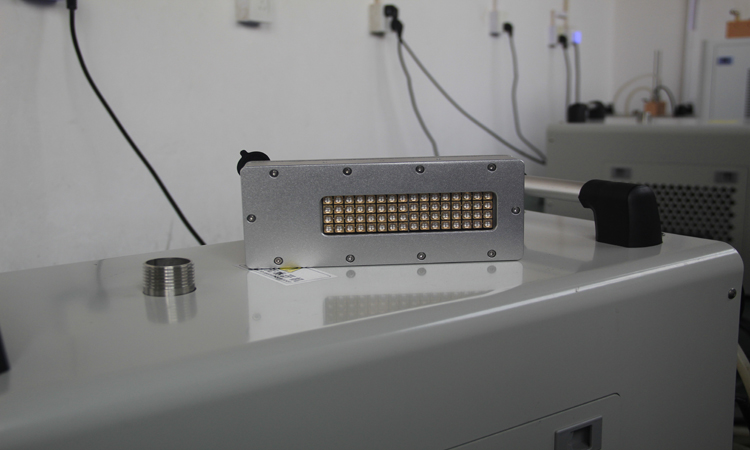
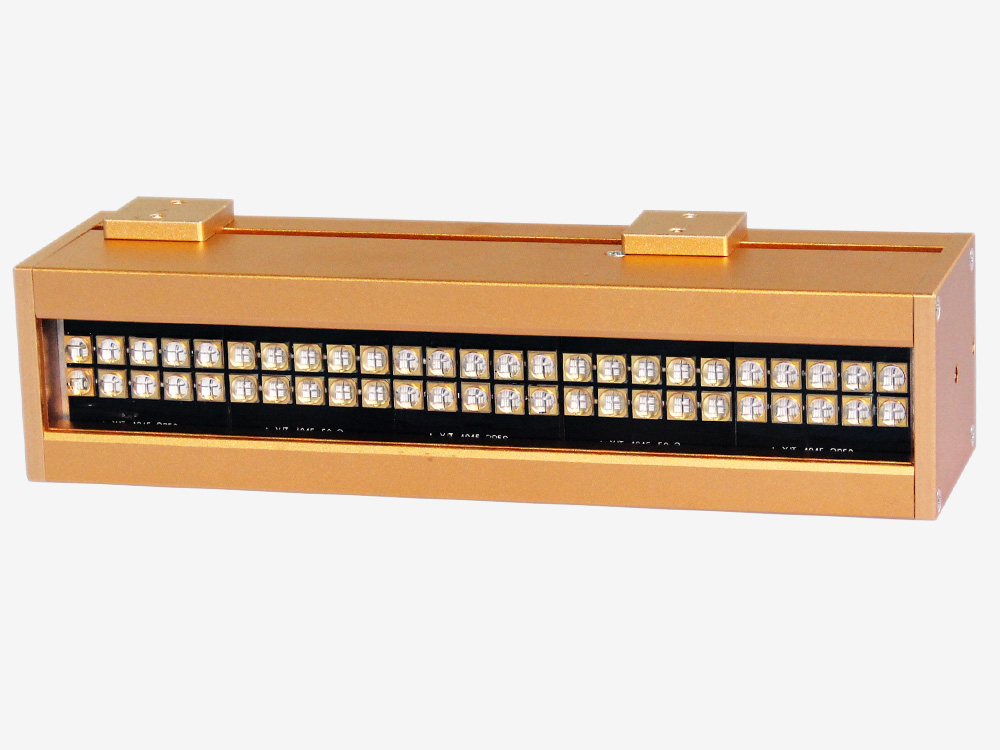
UV glue bonding has become one of the most widely used assembly processes in modern industrial manufacturing. Unlike traditional adhesive bonding that requires long air-drying or high-temperature baking, UV adhesive achieves instant, high-strength bonding through precise ultraviolet irradiation fromLED UV curing lights. Many manufacturers wonder which materials are suitable for UV glue bonding and LED UV curing. In fact, UV glue delivers the best bonding effect on transparent and light-permeable materials, and also supports stable bonding for most common industrial substrates. This article systematically sorts out all mainstream materials applicable for LED UV cured UV glue bonding.
Transparent Glass Materials
Glass is the most classic and highly compatible material for UV glue bonding and LED UV curing. Ordinary flat glass, tempered glass, ultra-thin glass, borosilicate glass and craft glass all support perfect UV glue fitting and fast curing. Since glass allows high transmittance of 365nm and 395nm UV wavelengths, LED UV curing light can quickly penetrate the material and trigger the chemical reaction of UV glue, realizing full-layer curing in seconds. The bonding position features high transparency, no bubbles, no whitening and excellent tensile strength. It is widely used in glass decoration assembly, architectural glass fitting, glass craft bonding and optical glass processing.
Transparent Acrylic and PC Materials
Acrylic (PMMA) and PC polycarbonate materials are very common in plastic processing industries. These transparent plastic substrates have stable UV light transmittance and will not block effective ultraviolet rays from LED UV curing lamps. UV glue can form tight and seamless bonding between acrylic to acrylic, acrylic to PC, and acrylic to glass. Benefiting from the low-temperature cold-light curing feature of LED UV lights, the whole bonding process will not cause surface melting, shrinkage or deformation of transparent plastics. The finished product maintains high light transmittance and beautiful appearance, which is ideal for advertising decorations, transparent brackets, light guide parts and plastic optical components.
Various Hard Plastic Substrates
In addition to transparent plastics, most conventional hard plastics are also suitable for LED UV curing glue bonding, including ABS, PVC, PET, PS and PP treated with surface activation. These plastic materials are widely used in electronic shell accessories, daily plastic parts and industrial plastic components. After reasonable glue selection and surface treatment, UV glue can realize stable bonding between plastic and plastic, as well as plastic and metal. The fast curing speed of LED UV lights greatly improves assembly efficiency, while low-temperature curing effectively protects heat-sensitive plastic substrates from thermal damage.
Metal Materials
Metal bonding is another major application scenario of LED UV cured UV glue. Common industrial metals such as aluminum alloy, stainless steel, iron, copper and electroplated metal parts can be perfectly bonded with UV adhesive. Since metal is opaque, the UV glue needs to be applied on the bonding gap with one side of transparent material for UV light penetration and curing. LED UV curing lights provide high-density uniform UV energy, making the glue layer solid and firm with strong shear resistance. It is commonly used for metal accessory fixing, metal and glass assembly, metal plastic composite bonding and precision hardware positioning.
Ceramic and Crystal Materials
Industrial ceramic, ceramic accessories and crystal materials have stable surface properties and good UV light permeability. They are very suitable for high-precision UV glue bonding and LED UV curing. The cured UV glue has good aging resistance and high adhesion on ceramic and crystal surfaces, not easy to fall off or turn yellow. This bonding method is often used for ceramic decorative parts, crystal crafts, precision ceramic structural parts and high-end daily product assembly.
Flexible Film and Thin Sheet Materials
PET films, PVC thin films, flexible plastic sheets and composite thin materials are also fully compatible with LED UV curing UV glue. These ultra-thin substrates are extremely sensitive to high temperature, so traditional thermal curing processes are not applicable. LED UV cold light curing produces almost no heat, which can complete rapid lamination and bonding of thin films without wrinkling or damaging the materials. It is widely used for film coating protection, flexible label fitting and thin material composite processing.
Conclusion
In short, LED UV curing light matched UV glue can stably bond glass, acrylic, PC, various hard plastics, metals, ceramics, crystals and flexible film materials. As long as one side of the bonding interface allows UV light transmission, efficient and high-strength curing bonding can be realized. With the advantages of fast speed, low temperature, high transparency and strong adhesion, LED UV curing has become the preferred process for precision material bonding in modern industrial production.