Main Applications of Water-Cooled LED UV Curing Lamps in Industrial Manufacturing
News 2026-08-16
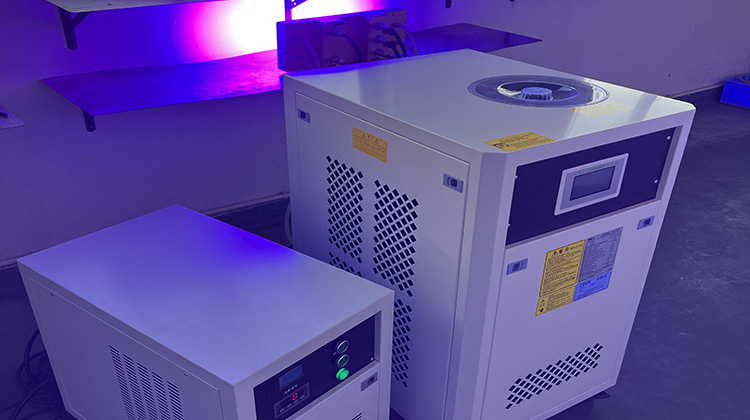
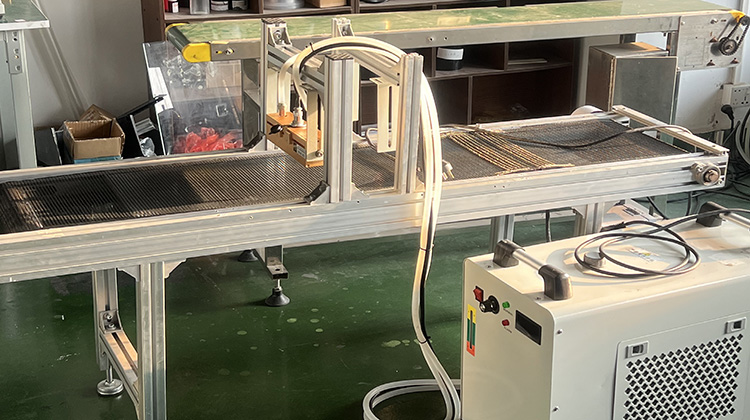
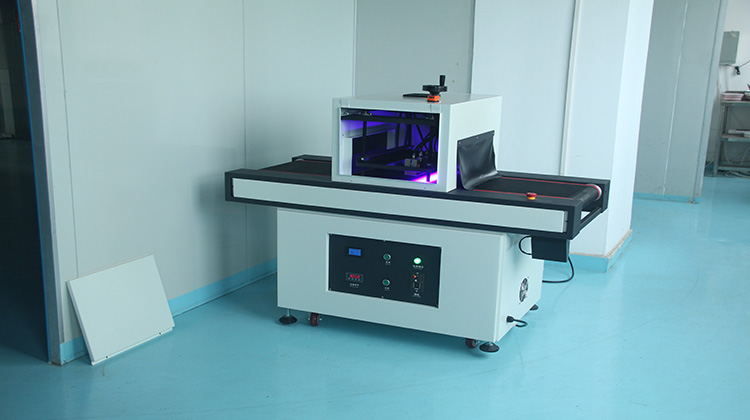
Water-cooled LED UV curing lamps have become mainstream industrial curing equipment in modern precision manufacturing. Different from air-cooled UV lamps, they adopt closed circulating water cooling systems to support high-power, high-density UV energy output with ultra-low temperature rise. Featuring stable performance, low heat generation and long continuous working life, water-cooled LED UV curing lamps are widely used in multiple industrial scenarios that require fast curing, high precision and zero thermal damage. Below are their core and most common industrial applications.
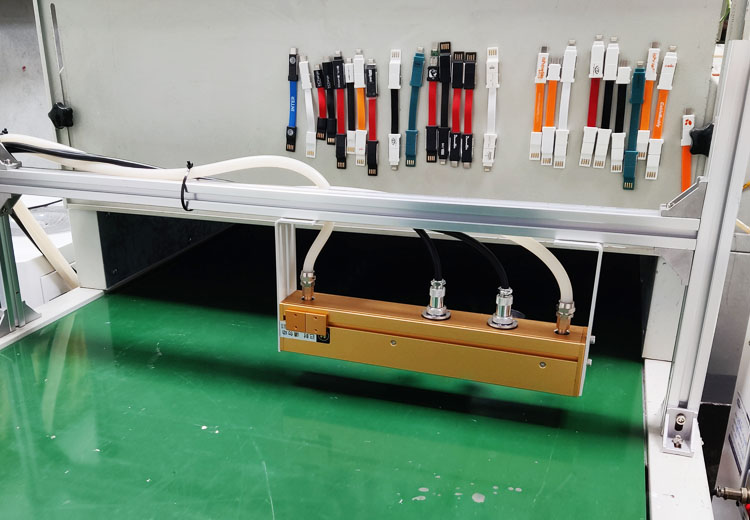
1.Electronic UV Adhesive Curing
Precision electronic manufacturing is one of the largest application scenarios for water-cooled LED UV curing lamps. Many electronic components such as circuit boards, micro switches, display modules and wire harnesses need UV glue for bonding, sealing and fixing. These precision parts are extremely heat-sensitive and cannot withstand high-temperature curing from traditional mercury lamps or ordinary high-power UV lamps. The low-temperature cold-light working mode of water-cooled LED UV curing lamps ensures fast and firm UV glue curing without causing component deformation or performance damage. It is perfectly suitable for automated assembly line electronic bonding production.
2.Screen Printing UV Ink Curing
In the screen printing industry, water-cooled LED UV curing lamps are widely used for UV ink drying and molding on various substrates. They work well for heat-sensitive materials including plastic sheets, acrylic, thin film and lightweight printing materials. The stable high-energy UV output thoroughly cures screen printing UV ink, effectively improving ink adhesion, wear resistance and flatness. Meanwhile, the excellent heat dissipation effect avoids printing material shrinkage, warping and ink yellowing, greatly reducing printing defective rates and improving finished product texture.
3.Glass and Acrylic Bonding & Coating Curing
Glass crafts, architectural glass, acrylic plates and transparent decorative materials commonly use special UV adhesive and transparent coating. Water-cooled LED UV curing lamps provide uniform and high-intensity ultraviolet irradiation, realizing rapid deep-layer curing of transparent UV glue. No bubble, no whitening and no thermal deformation occur during curing. This equipment is ideal for high-standard transparent bonding, surface anti-scratch coating and matte coating curing of glass and acrylic products.
4.Industrial UV Coating and Varnish Curing
Many industrial products need surface UV coating, varnish and protective paint treatment to enhance surface hardness, anti-yellowing and waterproof performance. High-power water-cooled LED UV curing lamps support long-time continuous curing for large-area and thick-layer coatings. With stable energy output and no heat accumulation, they ensure uniform curing of the coating surface and bottom, effectively solving common problems such as uneven curing, wrinkling and coating falling off. They are widely applied in hardware, plastic shell, furniture and gift surface coating processing.
5.Customized Precision Industrial Curing
With support of customizable wavelengths, irradiation area and power density, water-cooled LED UV curing lamps can adapt to personalized precision curing demands. Whether it is narrow-line local curing, large-area overall curing, or special material formula curing, the equipment can be adjusted accordingly. It is suitable for laboratory research, small-batch precision processing and large-scale automated production line upgrading, with extremely high industrial compatibility.
Thanks to the dual advantages of high power output and low-temperature stable curing, water-cooled LED UV curing lamps cover core scenarios such as electronic glue bonding, printing ink curing, transparent material bonding and industrial coating treatment. Compared with traditional curing equipment, they adapt to more heat-sensitive materials and high-standard precision production, becoming essential efficient and reliable curing solutions for modern industrial manufacturing.