Low-Temperature LED UV Curing for Printing Inks: Flexible Paint Film That Resists Cracking and Peeling
News 2026-09-27
Many printing factories have encountered a frustrating problem: after UV ink curing, the printed layer becomes hard and brittle. When finished products are bent, bumped or slightly deformed, the paint film cracks and peels off easily. This defect leads to high rejection rates and customer complaints, especially for thin plastic shells, flexible labels and curved daily-use items. Traditional mercury UV lamps deliver high heat and excessive UV energy. While they dry ink quickly, they over-cure the ink layer. Over-cured cross-linked structure turns rigid, losing elasticity. That is why the coating becomes fragile and flakes under minor stress.
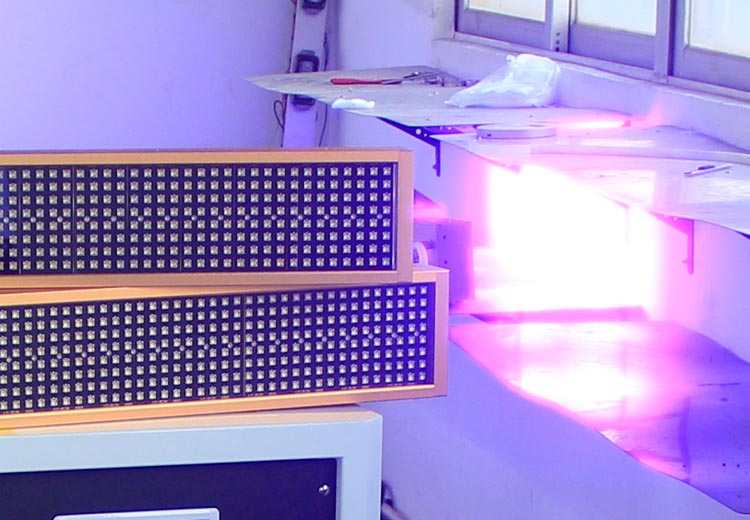
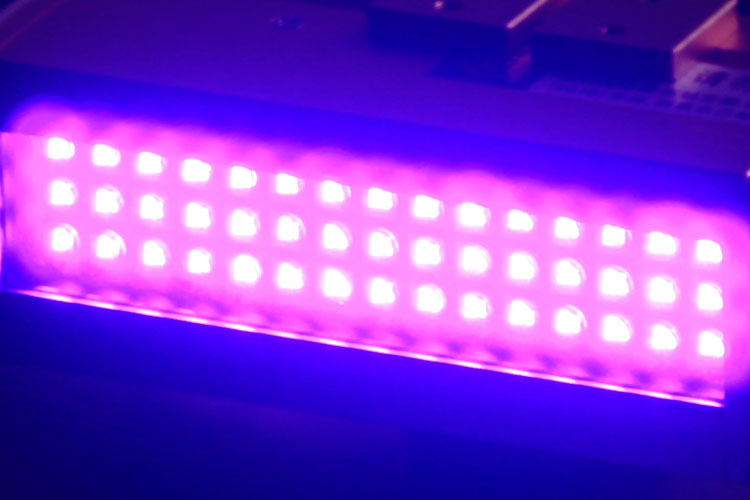
Low-temperature LED UV curing technology solves this pain point perfectly. LED UV cold light provides stable, controllable ultraviolet output with minimal heat radiation. It cures the UV ink at a low temperature, forming a dense yet flexible paint film instead of an overly hard brittle layer. The cured ink layer retains proper toughness and elongation. When the substrate bends or vibrates, the coating stretches together with the material rather than breaking apart.
This advantage is valuable for a wide range of printed products. It works well on thin plastic housings, soft PVC, curved cosmetic containers, stationery and flexible packaging. Even with repeated friction and slight deformation during assembly and transportation, the ink surface stays intact without chipping or peeling. Besides flexible film performance, low-temperature operation also protects heat-sensitive substrates from warping, shrinkage or discoloration, cutting down waste from thermal damage.
For production lines, LED UV curing lamps can achieve instant on/off. There is no preheating waiting time. It helps manufacturers maintain consistent printing quality and boost throughput. Factories no longer need to balance fast curing against poor coating flexibility. Low-temperature LED UV ink curing lets you get both fast production and durable, tough printed surfaces.