LED UV Curing Lamps for 3C Manufacturing: Cure UV Inks and Adhesives Efficiently
News 2026-09-16
3C manufacturing demands high precision in printing, bonding and sealing. From mobile phone frames, tablet housings, camera modules to charging ports and wearables, UV ink and UV adhesive have become standard materials on automated assembly lines. But the quality of finished products heavily relies on proper curing. Improper curing leads to peeling prints, weak bonding and poor sealing, causing high reject rates for electronics makers.
Traditional mercury UV lamps were once common in 3C factories. However, they produce massive heat during operation. Many 3C parts contain plastic shells, flexible circuits and delicate electronic components. Excess heat easily causes deformation, discoloration or damage to sensitive electronic parts. Mercury lamps also have a short service life, warm-up waiting time and contain hazardous mercury, bringing extra maintenance and waste disposal trouble.
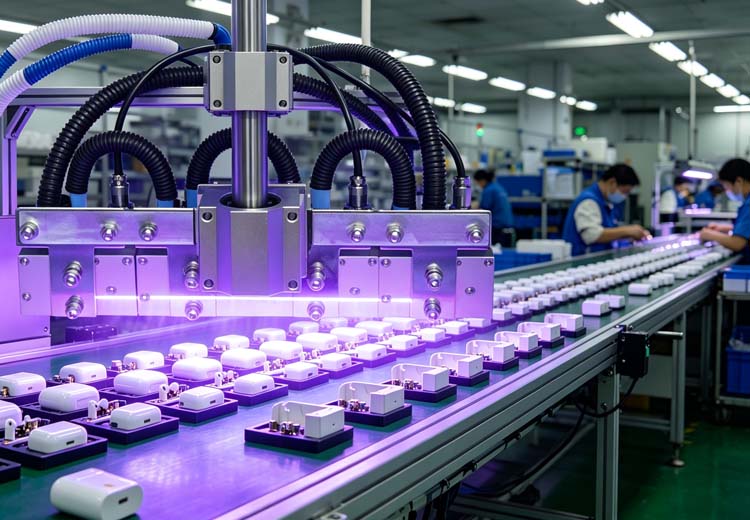
LED UV curing lamps solve these pain points perfectly for 3C production. They release targeted UV energy, usually 395nm wavelength, to trigger photochemical reaction inside UV ink and UV adhesive instantly. The lamps turn on and off immediately with no preheating time, matching fast-moving conveyor production lines.
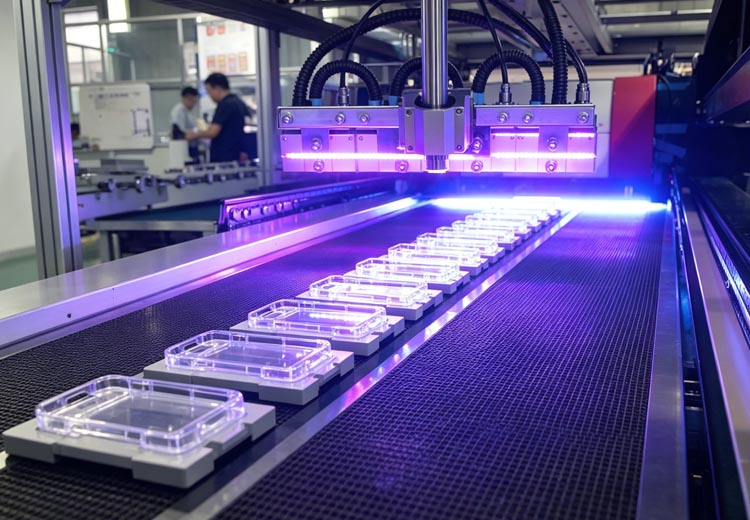
For UV ink applications in 3C industry: Manufacturers use UV ink to print logos, text and function marks on plastic, metal and glass components. LED UV light cures the ink in milliseconds. The printed layer forms a hard, scratch-resistant surface that does not smudge. Since the LED lamp runs at low surface temperature, thin plastic housings will not warp after printing.
For UV adhesive bonding and sealing in 3C assembly: UV glue is used to bond camera lens modules, bond display frames, seal connectors and waterproof small electronic shells. Uniform UV light coverage ensures full curing of the adhesive layer. Fully cured glue provides strong bonding strength and stable waterproof performance, critical for wearable devices and consumer electronics.
Consistent light output is another major advantage of industrial LED UV curing lamps. Mass production requires stable curing results for thousands of parts every day. Good LED UV lamps maintain steady UV intensity for long hours, avoiding inconsistent curing that creates defective products. Compared with mercury lamps, LED UV systems cut power consumption greatly, lowering long-term factory operation costs.
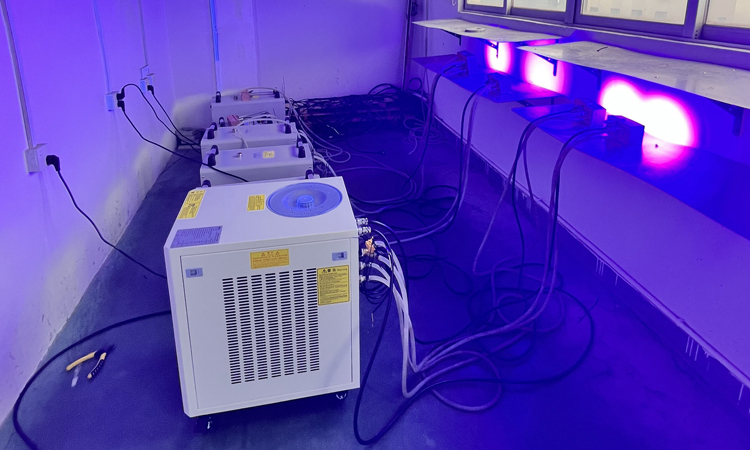
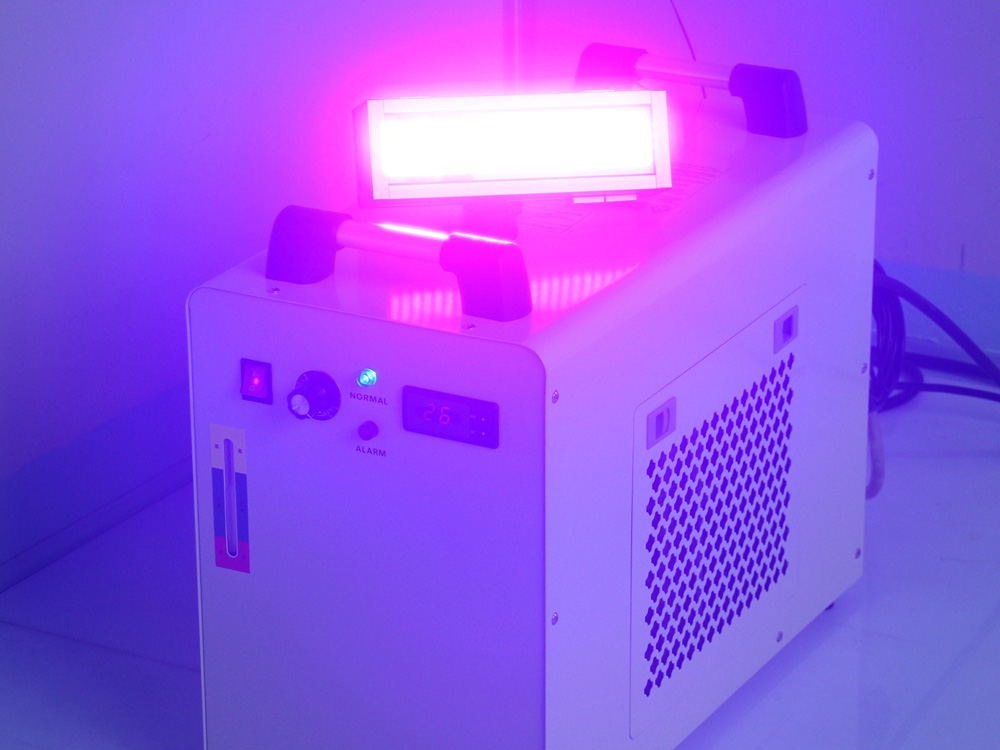
When choosing LED UV curing lamps for 3C production, factories need to consider several practical factors. First, select the right wavelength matching your UV ink or UV adhesive formula; 395nm is the most widely used option for general 3C materials. Second, decide between air-cooled and water-cooled models. Water-cooled LED UV lamps are ideal for high-power continuous running on fast production lines, offering better temperature control. Air-cooled units work well for medium-speed lines with simpler installation requirements. Third, custom light emitting width is available to fit different product sizes and conveyor layouts.
Many 3C factories have switched from old mercury lamp systems to LED UV curing solutions. The change reduces defective rates, shortens production cycles and cuts maintenance work. For electronics manufacturers focusing on stable quality and lower production costs, LED UV curing technology is a reliable upgrade for UV ink printing and UV adhesive bonding processes.