Why Do PCB Circuit Board/SMT Assembly Lines Need Matching LED UV Curing Lamps?
News 2026-01-26
In PCB production, LED UV curing is used to fix electronic components on the PCB surface, or to cure PCB inks and solder pastes. The traditional process adopts UV high-pressure sodium lamps to emit ultraviolet light for curing the PCB surface. However, UV gallium lamps generate a large amount of heat, resulting in high surface temperatures of the irradiated objects, and excessively high operating temperatures are likely to damage the PCB boards. In addition, UV lamps also have many problems such as high power consumption, high energy consumption, and short service life.
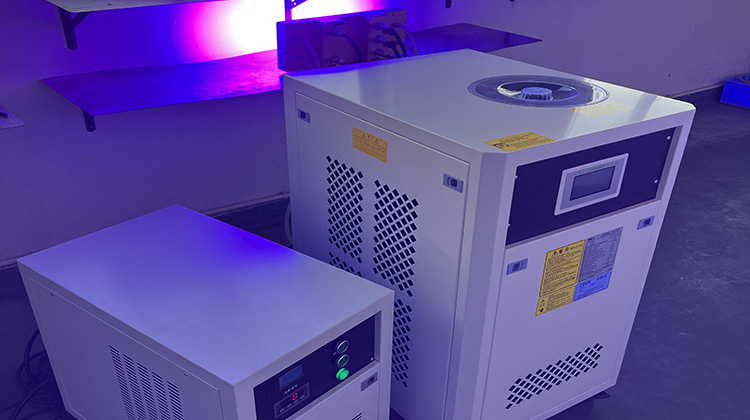
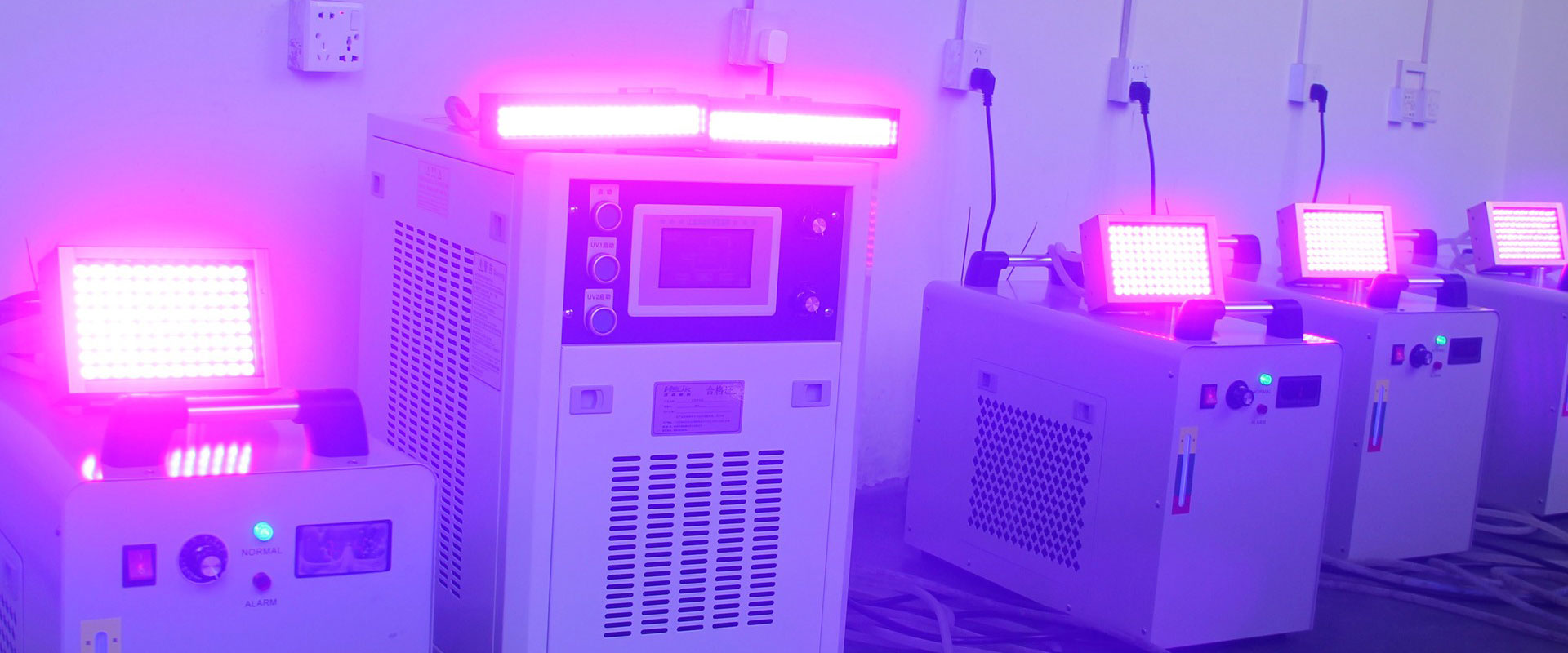
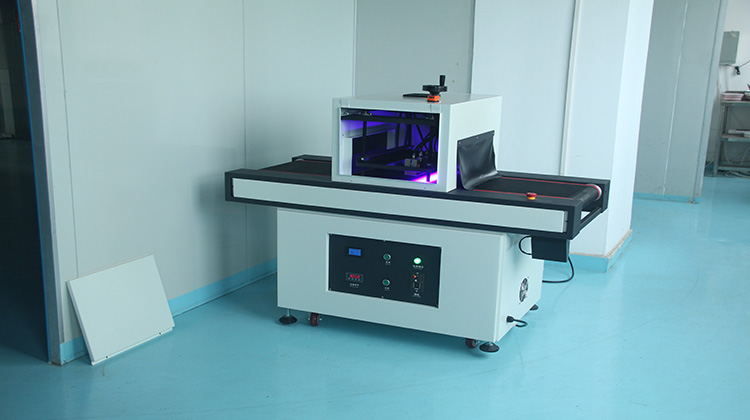
As a professional manufacturer of LED UV curing light sources, we have developed and manufactured equipment such as LED UV curing machines and tunnel conveyor LED curing lamps, which can solve the curing problems in the PCB manufacturing process and the defects existing in mercury lamp curing.
I. Features of LED UV Curing Lamps
PCBs are transported by conveyor belts or guide rails and receive UV light irradiation from LED UV curing light sources to achieve rapid curing. With UV curing machines, different curing requirements can be met by adjusting basic parameters such as conveyor belt speed, the relative height between PCBs and the curing light source, and UV irradiation intensity, thus realizing the bonding and curing of precision processed products.
Compared with UV halogen lamps, LED UV curing machines have higher luminous efficiency and lower power consumption, with a service life of more than 20,000 hours. They adopt LED cold light for low-temperature curing, without infrared radiation heat and mercury, achieving environmental protection and zero pollution. In addition, the ultraviolet light output intensity of LED UV curing lamps is several times that of traditional mercury lamps, which can realize rapid curing without over-curing, shorten delivery time, and greatly improve work efficiency.
II. Applications of LED UV Curing Equipment in the PCB Industry
1.Wave soldering via masking;
2.Conformal coating of circuit boards;
3.Fixing of wire connectors, wirings and magnet coils;
4.Moisture-proof glue coating, protection of key circuits and chips, and maintenance of anti-oxidation coatings;
5.Fixing of electronic components (capacitors, inductors, various software components, screws, chips, etc.).