The Ultimate Guide to LED UV Curing Technology: Why Factories Are Ditching Mercury Lamps
News 2026-11-19
The End of an Era: The Problem with Traditional Lamps
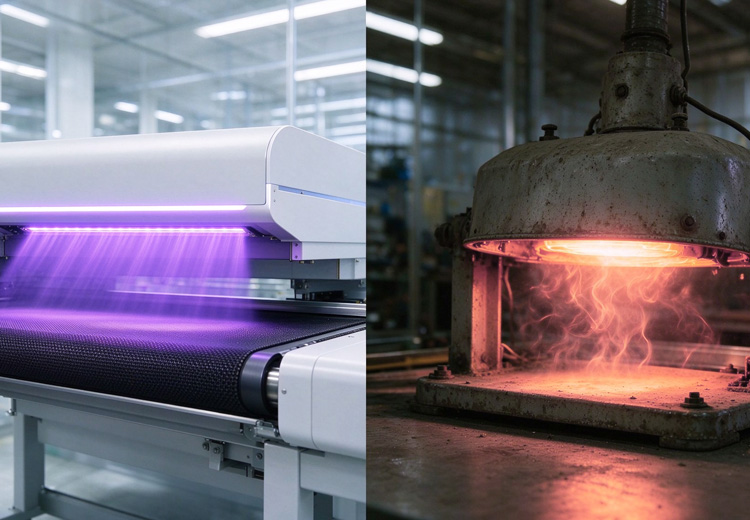
If you’ve been in manufacturing for a while, you know the struggle of traditional UV mercury lamps. They are bulky, they require massive exhaust systems, and they generate a ridiculous amount of heat.
Here’s the reality of traditional curing: you turn the lamp on, wait 10 minutes for it to warm up, and then try to cure your products. If the line stops, you can’t just turn the lamp off—it takes forever to restart, so you just leave it burning electricity all day. Plus, the intense infrared heat can melt delicate plastics and warp precise electronics. It’s an inefficient, outdated way to work.
What is LED UV Curing Technology?
LED UV (Ultraviolet) curing is a modern, solid-state technology. Instead of heating up toxic mercury gas to create UV light, UV LEDs use semiconductors to convert electricity directly into specific wavelengths of ultraviolet light (most commonly 365nm, 385nm, 395nm, and 405nm).
Think of it like the difference between an old incandescent light bulb and a modern LED flashlight. The LED version uses less power, stays cool to the touch, and turns on instantly.
The 5 Massive Advantages of Going LED UV
Why are factories around the world making the switch? Here is what happens when you ditch the mercury and go LED:
Insane Energy Savings (Up to 70%)
Traditional lamps waste up to 80% of their energy generating heat. LED UV systems convert the vast majority of electricity directly into usable UV light. Plus, with “instant-on/off” capability, you only use power when a product is actually under the light.
Cold Light Curing (Zero Thermal Damage)
LEDs emit virtually zero infrared heat. The small amount of heat generated at the back of the chip is extracted by advanced water-cooling or air-cooling systems. This means you can cure heat-sensitive materials—like thin plastic films, medical sensors, or electronic chips—without melting or warping them.
Instant Start & Stop
LEDs hit 100% power in microseconds. There’s no warm-up and no cool-down. This perfectly adapts to high-speed automated lines, robotic arms, and indexing tables.
Extremely Long Lifespan
A mercury lamp might last 1,000 to 2,000 hours. A quality UV LED system can last 30,000 to 50,000+ hours. You won’t have to constantly stop the line to change bulbs.
Eco-Friendly & Safe
UV LEDs contain zero mercury. They do not produce ozone (O3), meaning no harsh chemical smells in the factory and no need for massive exhaust ventilation. They help you easily pass EU RoHS and US EPA compliance checks.
Where is LED UV Used?
LED UV curing is incredibly versatile. You’ll find it used in:
Printing & Packaging: Instantly drying UV inks on labels, boxes, and plastic bottles.
Electronics: Bonding micro-components, sensors, and displays.
Medical Devices: Curing adhesives on syringes and catheters where heat sterilization is impossible.
Automotive: Curing coatings on headlights and interior components.
How to Choose the Right UV LED System
Not all LED systems are created equal. When looking for a system, look for:
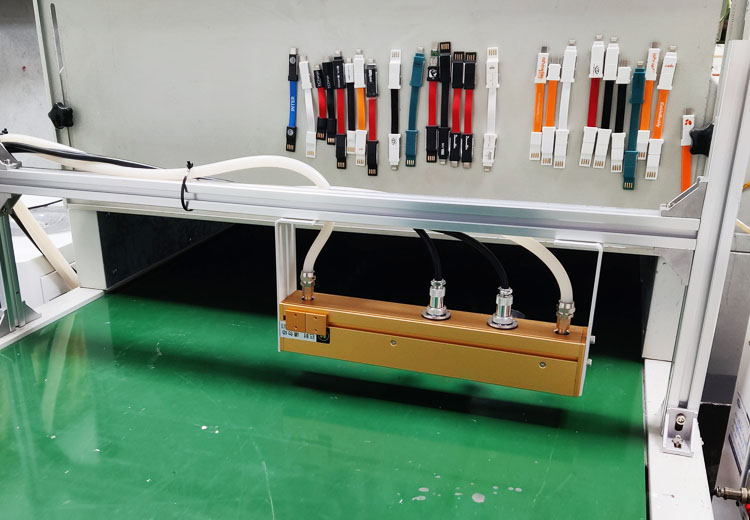
Proper Cooling: For high-power applications, water-cooled systems are essential to maintain long-term energy stability.
Uniform Illumination: You need optics that spread the light evenly, ensuring no shadowed areas or under-cured spots.
High Peak Irradiance: If you are curing thick adhesives or dark inks, you need high intensity to penetrate deeply.
Conclusion
The manufacturing industry is moving forward, and LED UV technology is leading the charge. Whether you are looking to slash your electricity bills, speed up your production line, or comply with strict environmental laws, LED UV is the smartest investment you can make today. Stop fighting with heat and outdated lamps—it’s time to upgrade to the future of curing.
Frequently Asked Questions
Q: Is LED UV curing more expensive than traditional lamp curing?
A: The upfront cost of the equipment might be slightly higher, but the total cost of ownership (TCO) is much lower. You will save massive amounts of money on electricity, replacement bulbs, and maintenance.
Q: Can LED UV cure all types of adhesives and inks?
A: Most modern UV adhesives and inks are formulated for LED UV wavelengths (like 395nm). You just need to ensure your chemistry matches the wavelength of the LED system.
Q: Do LED UV systems require a lot of maintenance?
A: Very little. Because there are no bulbs to burn out and no toxic gases, maintenance is mostly just keeping the quartz glass clean from dust.