Precautions for the Use of LED UV Curing Equipment
News 2026-04-27
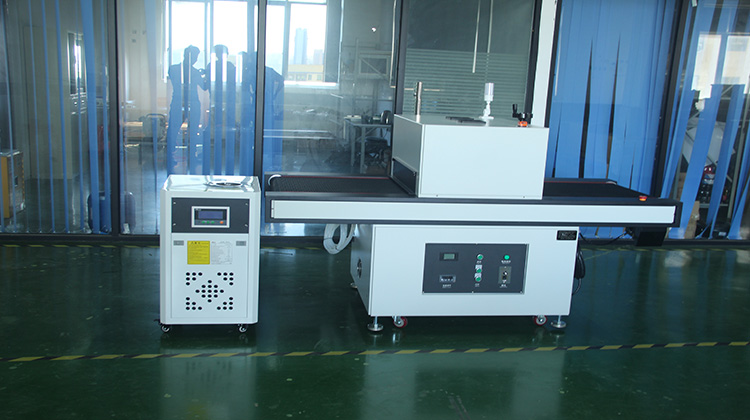
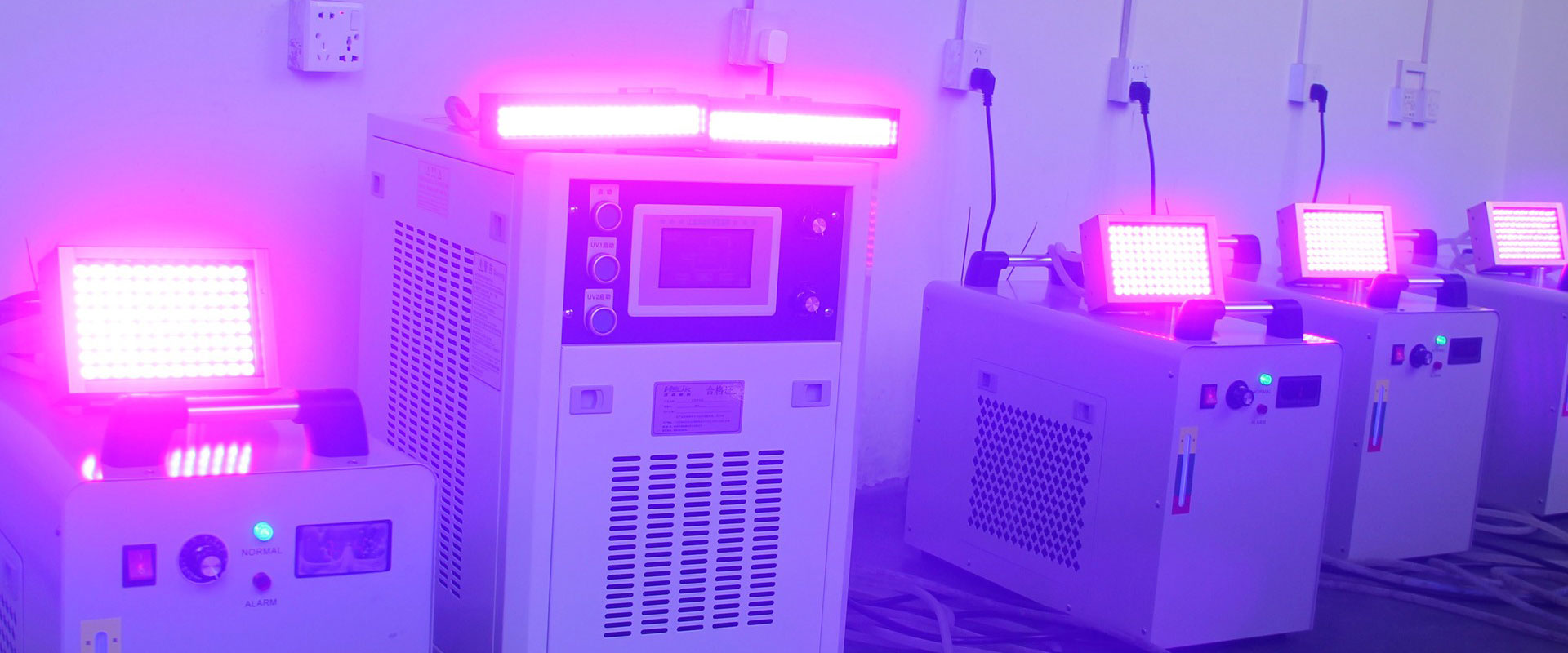
With the rapid development of the screen printing industry, LED UV curing equipment has become an excellent assistant for numerous enterprises to improve production efficiency and guarantee product quality by virtue of its advantages of high efficiency, energy conservation and environmental protection. Compared with traditional curing equipment, it requires no preheating and starts instantaneously, achieving rapid ink curing and greatly shortening production cycles. Meanwhile, its low-temperature curing property prevents deformation and discoloration of screen printing substrates. It is compatible with a wide range of sensitive materials including plastics, paper and metals, enhancing the adhesion and gloss of screen printed products, effectively reducing rework rates and material waste, and injecting new vitality into screen printing production.
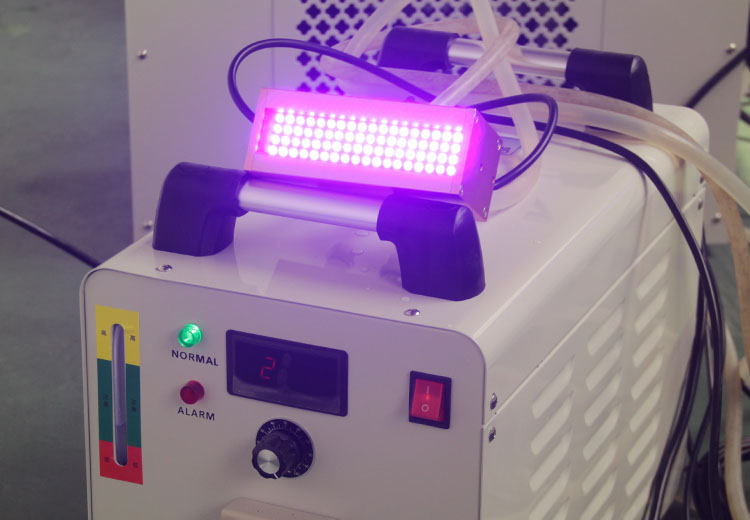
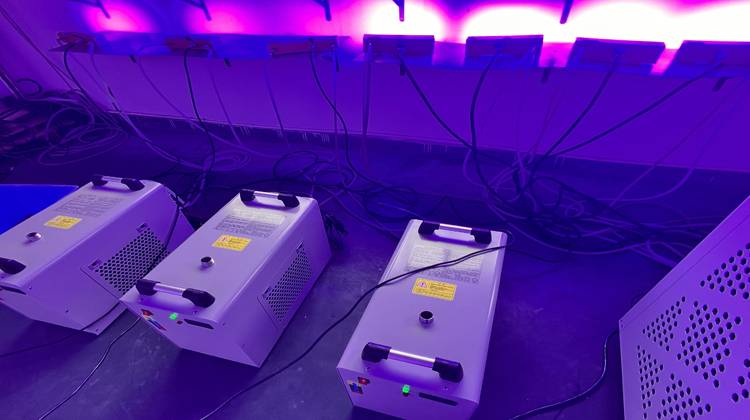
Smooth and efficient operation relies on standardized operation and proper maintenance. Regular water replacement of the water cooling system is crucial for the stable operation of the equipment. During operation, LED UV curing equipment generates heat. The water cooling system dissipates heat via circulating water to prevent light attenuation and damage of lamp beads caused by overheating, thus extending the service life of the equipment. Failure to replace water for a long period will result in mineral deposits scaling inside the water, which clogs pipelines and heat sinks and impedes heat dissipation circulation. This will not only compromise curing efficiency but may also burn out core components. It is recommended to replace the circulating water every 2 to 3 months. Distilled water or high-purity purified water is preferred, while tap water and water containing corrosive substances or excessive minerals shall be avoided. During water replacement, the water tank, water pipes and connectors shall be thoroughly cleaned to ensure unobstructed and efficient heat dissipation.
Ultraviolet radiation protection for operators is a critical safety issue that cannot be neglected during operation. Most ultraviolet rays emitted by LED UV curing equipment fall in the UVA band. Though posing no obvious visible light hazards, such rays can penetrate the epidermis and cornea of human eyes. Short-term exposure may cause skin redness and conjunctivitis, and prolonged contact increases the risks of cataracts and skin damage. Operators must wear UV-protective goggles complying with the ANSI Z87.1 standard to avoid direct or indirect staring at the light source. In addition, long-sleeve workwear and opaque nitrile gloves shall be worn to fully cover exposed skin against UV radiation. Furthermore, UV-absorbing barriers or protective curtains can be installed around the equipment to reduce stray light leakage and safeguard other workshop personnel.
As a core auxiliary device for screen printing production, the stable operation of LED UV curing equipment directly affects production efficiency and product quality. In addition to water cooling system maintenance and UV protection, regular cleaning of the quartz glass on the light source surface is required daily to maintain light transmittance, along with inspections on circuit integrity of the equipment. Only by strictly abiding by the usage precautions, conducting scientific maintenance and standardized operation can the equipment give full play to its energy-saving and high-efficiency advantages. Such practices safeguard personal safety of operators, extend equipment service life, and enable LED UV curing equipment to serve as a reliable assistant in the screen printing industry, helping enterprises achieve simultaneous improvements in product quality and production efficiency.