Low Thermal Stress LED UV Curing: Prevent Glass Bonding Cracking and Self-Explosion
News 2026-09-18
Glass UV adhesive bonding is widely used in optical glass, cosmetic glass, household glass decorations, glass craft assemblies and precision optoelectronic components. Many manufacturers have encountered a confusing and costly problem: the glass products look perfect immediately after curing, with clear glue lines and firm bonding. However, after a few days or weeks of storage, transportation and temperature changes, micro-cracks appear, or even sudden self-explosion occurs without external impact.
Most people attribute the failure to poor UV glue formula or improper operation. In fact, over 80% of delayed glass cracking and self-explosion problems come from thermal stress during curing. Glass is a rigid, brittle and thermally sensitive material with extremely low tolerance for uneven temperature changes. Traditional mercury UV lamps and ordinary high-power curing equipment release a large amount of infrared heat while working. The local temperature of the glass bonding area rises sharply in a short time, while the surrounding temperature remains normal. This uneven heating creates invisible internal thermal stress inside the glass.
This kind of thermal stress will not cause problems immediately after production. But in subsequent temperature cycling, vibration and humidity changes, the accumulated stress gradually releases. Once the stress exceeds the bearing limit of the glass material, micro-cracks begin to expand, eventually leading to glue seam cracking, glass edge splitting, or overall self-explosion of the finished product. This hidden quality risk has always been a major pain point for high-end glass bonding production lines.
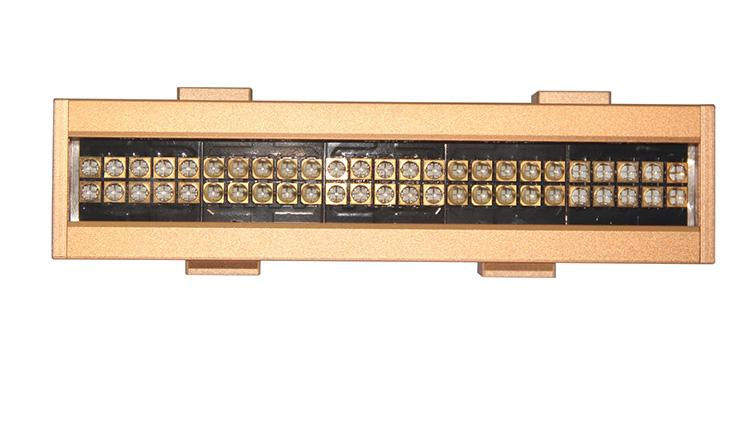
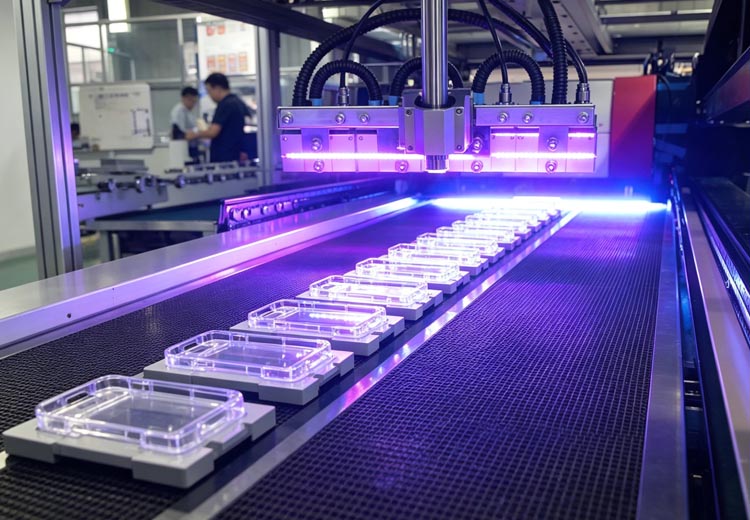
Industrial low-stress LED UV cold light curing completely solves this industry defect from the source. Different from traditional heat-type curing, professional LED UV curing lamps only output effective ultraviolet wavelengths required for glue polymerization, with almost no infrared heat radiation. The entire curing process relies on photochemical cross-linking reaction rather than high-temperature baking. The surface temperature of the glass workpiece is always kept at a low and constant level, with no instantaneous temperature surge and no local overheating phenomenon.
Without high-temperature heat impact, no thermal stress will be generated inside the glass and glue layer. The UV adhesive cures evenly and stably from the surface to the deep layer, and the volume shrinkage during curing is balanced and stable. There is no residual stress concentrated on the bonding interface or glass edges. Whether it is ultra-thin glass sheets, large-area flat glass bonding, or special-shaped curved glass assembly, it can maintain zero-stress curing effect.
The advantage of zero thermal stress is particularly prominent in long-term product stability. Glass products cured by LED cold light will not crack due to temperature difference changes in winter and summer, nor will they burst spontaneously during packaging, transportation and long-term use. The transparent glue line remains clear without whitening or yellowing, and the bonding strength is always stable, greatly reducing the defective rate and after-sales risk of finished glass products.
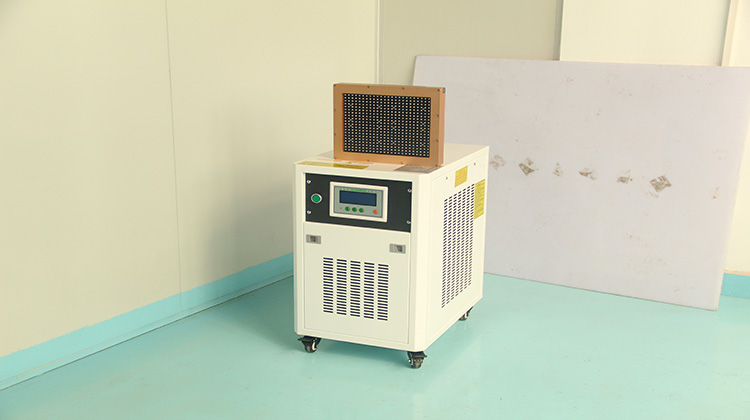
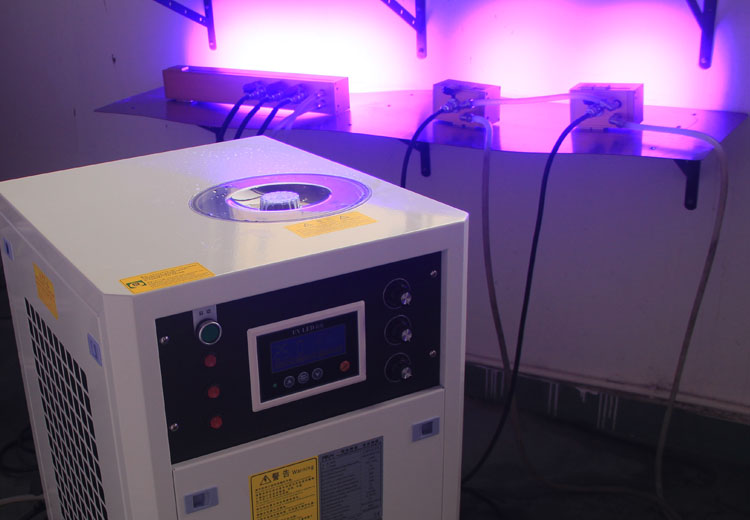
For automated industrial production lines, low-stress LED UV curing also supports 24-hour uninterrupted high-speed operation. Water-cooled LED UV curing equipment maintains constant energy output and low-temperature state during long-term continuous work, avoiding heat accumulation and performance attenuation. It perfectly matches the fast-paced mass production of high-precision glass products while ensuring 100% qualified stable bonding quality.
In short, traditional high-temperature curing is the hidden killer of glass bonding failure. Upgrading to low thermal stress LED UV cold light curing is the most reliable solution to completely eliminate delayed cracking and self-explosion of glass products. It stabilizes production quality, reduces scrap loss, and improves the long-term service reliability of glass bonded assemblies.