Instant Curing: Don’t Let Slow UV Hold Back Your Production Capacity
News 2026-11-09
The “Weakest Link” in Your Production Line
Let’s face it: production is a chain, and you are only as fast as your slowest link.
Imagine you’ve just invested in a state-of-the-art dispensing robot and a high-speed conveyor system. Everything is running perfectly. But then, the parts hit the UV curing zone. Suddenly, the line has to slow down. Why? Because the adhesive needs time to cure before the parts can be handled or stacked.
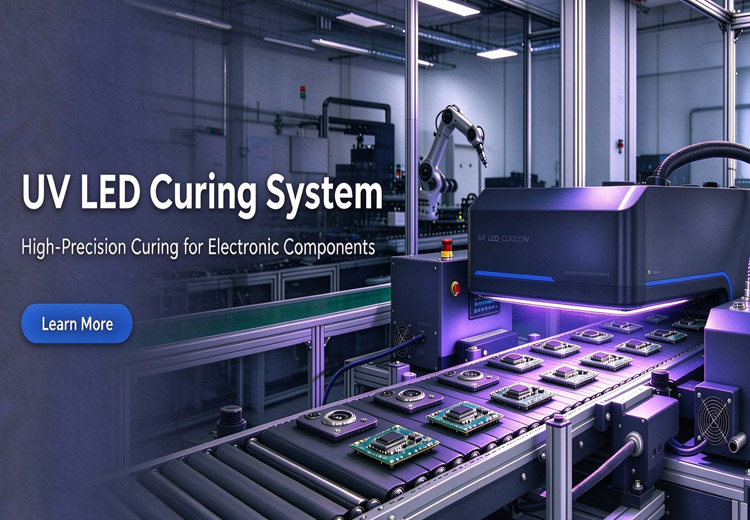
If you are waiting around for a glue to dry, you are losing money. Every second a product spends sitting under a lamp or moving through a long tunnel is a second it’s not generating revenue. Slow curing is a massive bottleneck, and it’s time to get rid of it.
Why Traditional Curing Drags Down the Rhythm
In the past, factory owners had to make compromises to deal with slow curing.
Huge Footprints: To give mercury lamps enough time to cure the glue, you had to build incredibly long curing tunnels. This wastes valuable factory floor space.
The Cooling Wait: Traditional lamps generate massive heat. Even after the glue is cured, the product is often too hot to be immediately packed or processed. It has to sit and cool down, slowing down the workflow.
Slowing the Conveyor: To compensate for a weak or slow curing process, operators are forced to dial back the speed of the conveyor belt. You have the capacity to make 100 parts a minute, but the curing step limits you to 40.
The “Seconds-Level” Reality with UV LEDs
This is where UV LED technology completely rewrites the rules. We aren’t talking about “fast”—we are talking about practically instant.
Because UV LEDs don’t rely on heating up gas, they deliver immense peak intensity the very millisecond you turn them on. The formulation of modern UV adhesives and inks is designed to react to this intense burst of light. The result is “seconds-level” curing—or even sub-second, depending on the material.
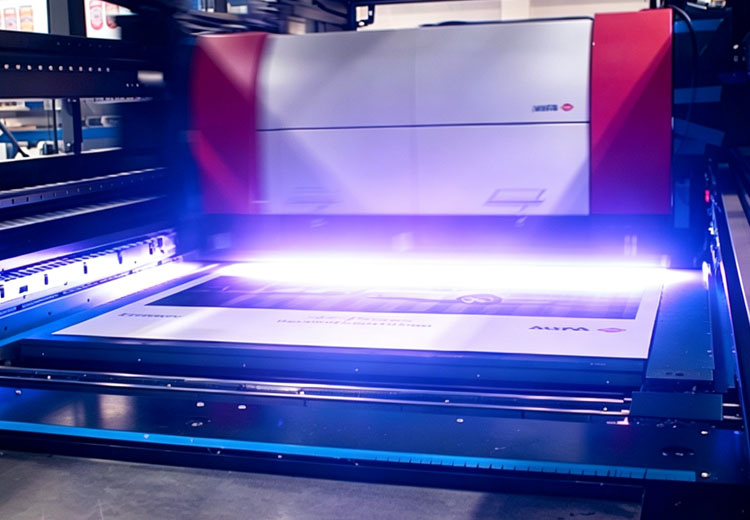
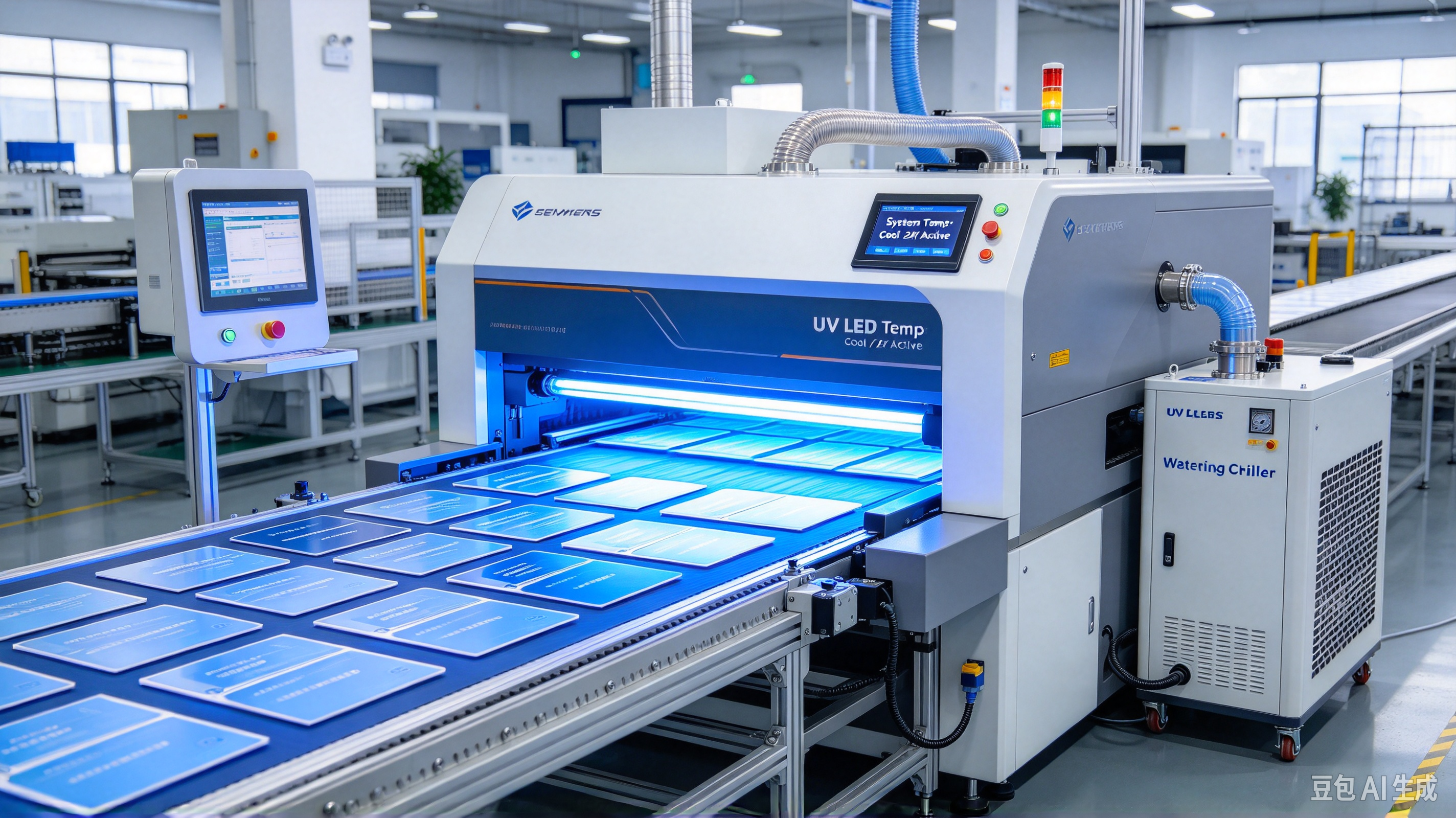
Cure on the Fly: Products fly down the conveyor, pass under the high-intensity UV LED array, and are perfectly dry by the time they reach the end of the machine.
No Waiting for Heat: Because the UV LED process is a “cold light” process, it doesn’t bake the product. Parts can be immediately picked up, stacked, or moved to the next assembly step.
How Speed Directly Equals Capacity
When you eliminate the curing bottleneck, the whole factory speeds up. Here is how instant curing directly boosts your bottom line:
Higher UPH (Units Per Hour): You can finally run your conveyor at its maximum mechanical speed. Your throughput skyrockets because you are no longer waiting on the glue.
Smaller Footprint: You don’t need a 10-meter-long curing tunnel anymore. A compact UV LED module can achieve the same cure in a fraction of the distance, freeing up factory space for more production equipment.
JIT (Just-In-Time) Manufacturing: Instant curing allows for truly continuous flow. You eliminate the “work-in-progress” piles where parts are just sitting around waiting to dry.
In high-volume manufacturing, time is your most expensive resource. You shouldn’t have to choose between a high-quality bond and a fast production line. Instant UV LED curing technology gives you both. By turning a slow, waiting game into an instant, continuous process, you unleash the true production capacity of your factory. Don’t let the drying time dictate your success.