What are the Specific Applications of LEDUV Curing Machines in the Microelectronics Industry?
News 2026-01-30
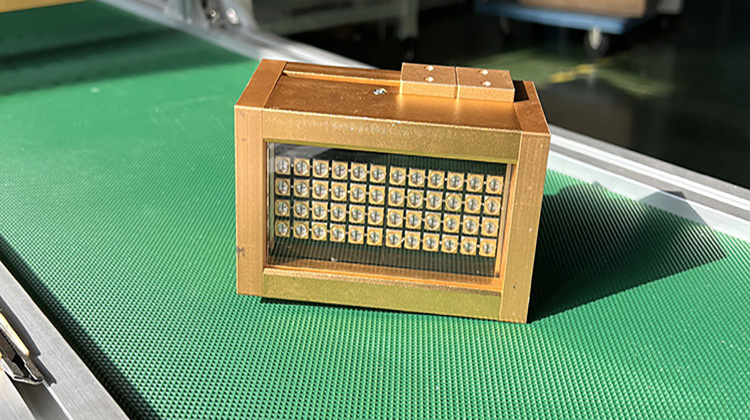
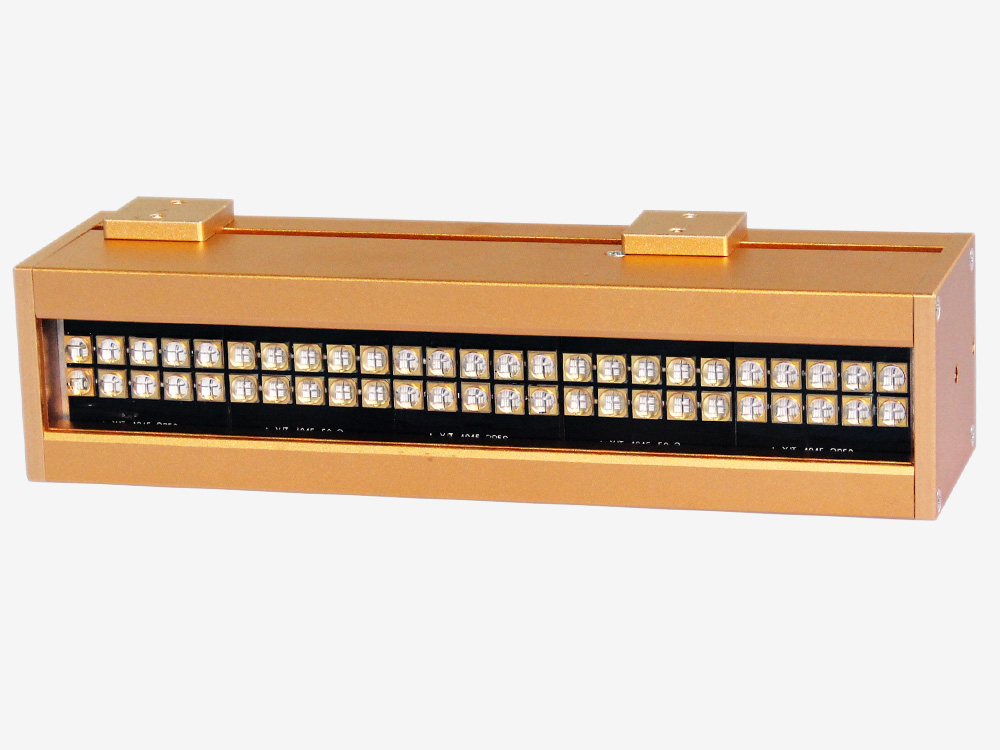
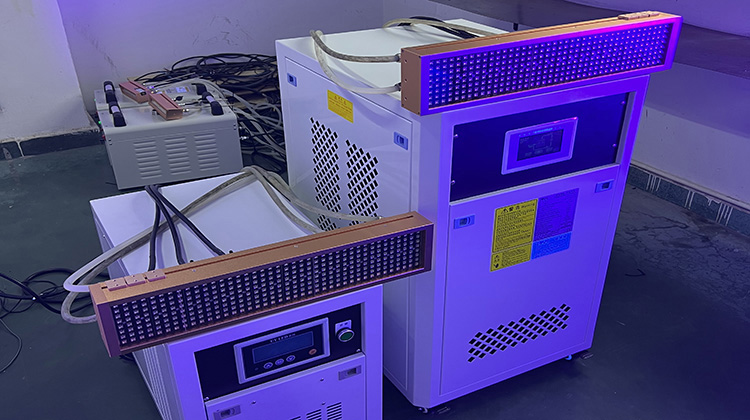
The typical wavelengths of the UVA band we commonly use are 365nm, 385nm, 395nm and 405nm, which are mainly applied in LEDUV curing – including the UV adhesive curing for industries such as display screens, electronics, medical care, instruments and meters, and optical communication; the UV coating curing for industries like building materials, furniture, home appliances and automobiles; and the UV ink and UV varnish curing for the printing and packaging industries, etc.
So what are the specific applications of LEDUV curing machines in the microelectronics industry?
I. UV Curing of Electronic Protective Adhesives for PCB Circuit Boards
For some sophisticated and complex PCB circuit boards, after various electronic components are soldered, a layer of UV protective adhesive is coated on the surface and then rapidly cured by an LEDUV curing light source. This can effectively achieve water, dust and shock resistance.
II. UV Curing Adhesives for Liquid Crystal Displays (LCDs)
A liquid crystal display is composed of two ultra-thin transparent glass panels with a thin layer of liquid crystal in between, and the liquid crystal will suffer severe damage once exposed to heat. Therefore, UV adhesives are currently used for bonding the LCD bezels. Compared with the traditional hot melt adhesives, UV adhesives feature an extremely fast curing speed and generate no heat during the curing process, making them particularly suitable for the requirements of automated industrial production.
III. LEDUV Curing for Machine Surfaces
UV varnish is widely used on machine surfaces. It is a type of transparent coating, also known as UV clear coat. It is sprayed onto the machine surface and then cured by irradiation with a UV curing light source of a certain intensity. This process can make the machine surface smooth and sleek in texture, and endow it with excellent wear resistance.