The Importance of UV Curing Machines in LCD and LCM Curing
News 2026-01-19
In the manufacturing process of LCD (Liquid Crystal Display) and LCM (Liquid Crystal Module), the curing stage is crucial and directly impacts the final quality of the products. As core technologies for information display, LCD and LCM are penetrating every aspect of our lives at an unprecedented pace—from smartphones and tablets to smart home devices and automotive electronics—underscoring their indispensable role.
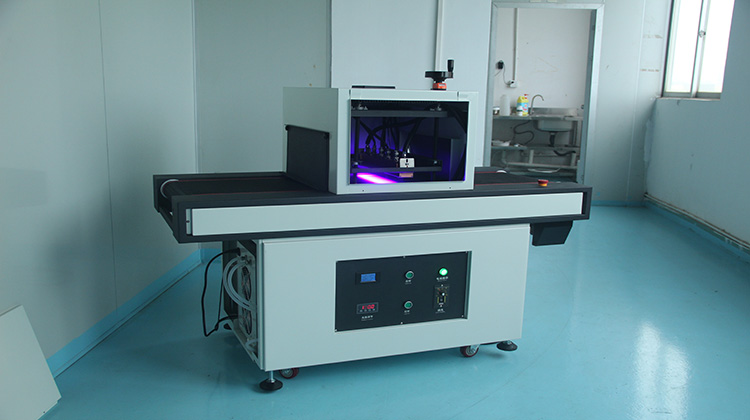
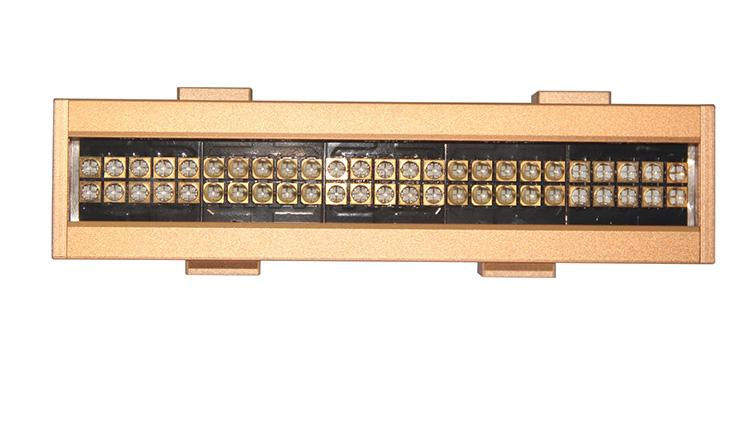
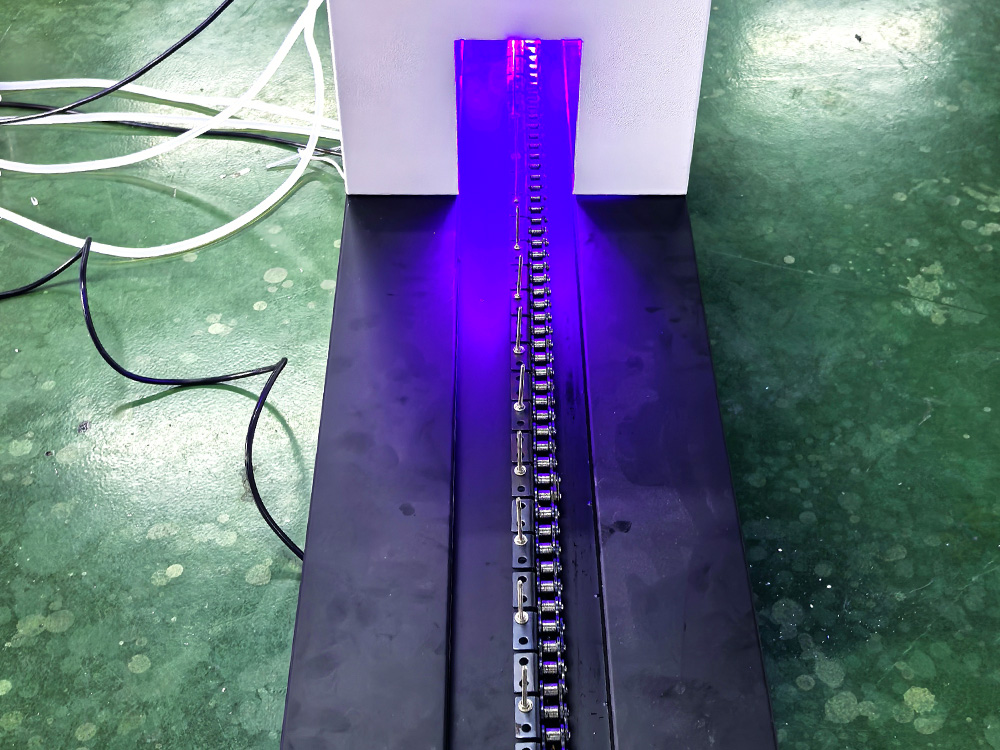
Traditional curing technologies typically use mercury lamps or halogen lamps, which not only consume high energy and generate significant heat but also pose environmental pollution risks. In contrast, Koinu Technology’s LEDUV curing machines stand out with their remarkable advantages of high efficiency, energy saving, and environmental protection. LEDUV light sources emit ultraviolet light at specific wavelengths directly, eliminating the need for filter conversion. With an energy utilization rate exceeding 80%, they offer several times higher performance compared to traditional light sources. This not only drastically reduces energy costs but also significantly minimizes heat generation during production, extending equipment lifespan and creating a cleaner, more comfortable manufacturing environment.
Equipped with precision optical design and intelligent control systems, LEDUV curing machines enable precise regulation of ultraviolet irradiance, exposure time, and uniformity. This technological breakthrough effectively addresses common issues in traditional curing methods, such as uneven curing, over-curing, or under-curing, thereby greatly enhancing the yield and consistency of LCD/LCM products and meeting the market’s urgent demand for higher-quality display products.
Deeply understanding market needs, Koinu Technology’s LEDUV curing machines are not only suitable for standard-sized LCD/LCM production but also flexibly accommodate curing requirements for various special-shaped, curved, and micro-structured products. Whether it’s the precision bonding of smartphone screens or the complex assembly of automotive displays, they provide tailored solutions to help customers gain a competitive edge in the intense market competition.