The Curing Principle of LED UV Lamps for UV Ink on Plastic Substrates in Screen Printing
News 2026-04-23
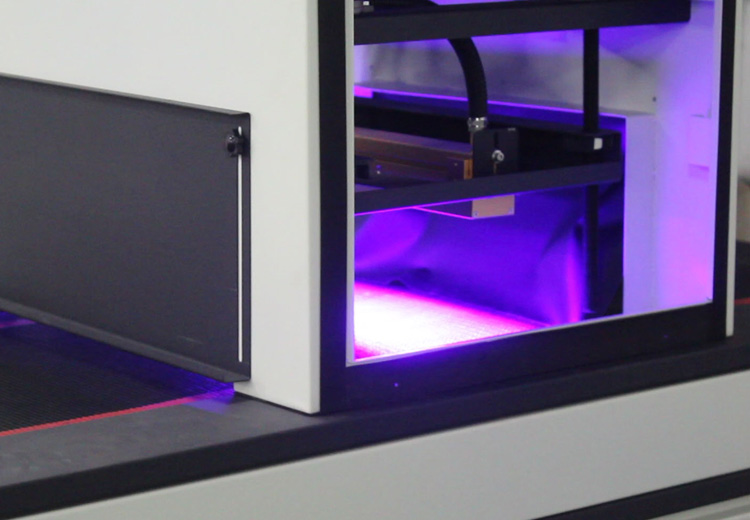
In the plastic screen printing industry, the curing effect of UV ink directly determines the surface finish and durability of finished products. Boasting high efficiency, environmental friendliness and wide adaptability, LED UV curing lamps have gradually replaced traditional mercury lamps and become core equipment for curing in plastic screen printing. Their curing mechanism relies on photochemical reactions, acting precisely in accordance with the properties of plastic materials. Meanwhile, they feature low temperature, rapid curing and long service life, providing efficient production solutions for manufacturing enterprises.
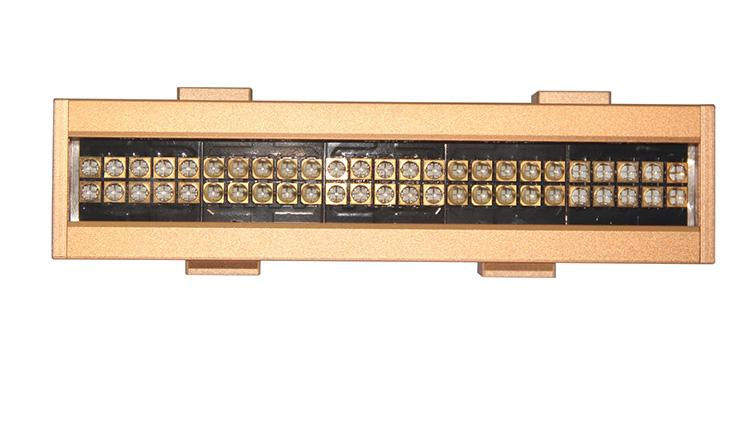
The core mechanism behind LED UV lamps curing UV ink printed on plastic substrates is photopolymerization. UV ink consists of components including photoinitiators and monomers. When an LED UV curing lamp emits ultraviolet rays at specific wavelengths (typically 365 nm and 395 nm), the light penetrates the surface layer of the ink and is absorbed by the photoinitiators inside. This causes rapid decomposition of photoinitiators to generate free radicals or cations. These active particles trigger chain cross-linking polymerization, transforming liquid ink into a solid state within an extremely short period. The solidified ink firmly adheres to the surface of plastic substrates, completing the entire curing process. Unlike traditional mercury lamps, LED UV lamps can emit wavelengths precisely matching the absorption peaks of photoinitiators in UV ink. This achieves higher ultraviolet energy utilization and eliminates redundant stray light, thus preventing unnecessary damage to plastic materials.
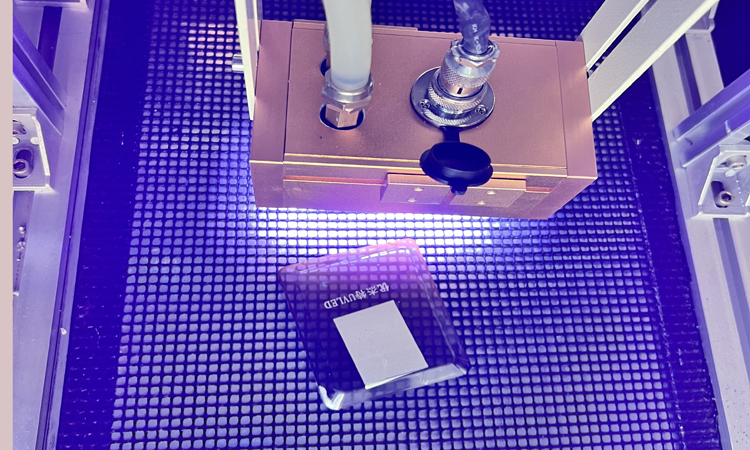
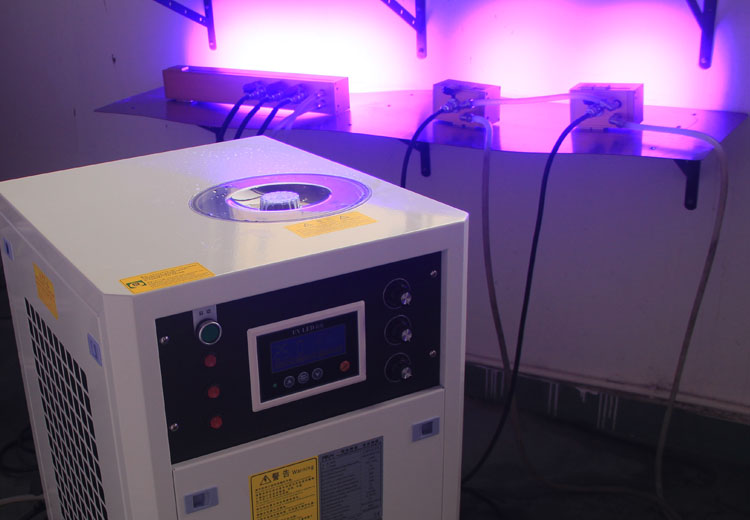
LED UV curing lamps are cold light sources, which directly convert electrical energy into light energy with minimal temperature rise, effectively protecting plastic substrates from thermal damage. Most plastic materials have poor heat resistance. During curing, conventional mercury lamps generate massive infrared radiation, raising the surface temperature of substrates above 100 °C. This frequently causes defects such as deformation, yellowing and cracking, particularly severe for heat-sensitive plastics including PET and PVC. In contrast, as cold light sources, LED UV lamps produce almost no infrared heat. The surface temperature of plastics during curing is generally below 40 °C, which maximally preserves the original structure and properties of plastics. This guarantees clear and intact screen-printed patterns, and greatly improves the product yield rate.
Rapid curing and improved production efficiency constitute a key advantage supporting mass industrial production. LED UV lamps require no preheating and reach rated power instantaneously upon activation to cure ink directly. A single curing cycle only takes several to over ten seconds. Compared with traditional mercury lamps which need dozens of seconds or even minutes for curing, LED UV lamps improve efficiency by 3 to 5 times. Furthermore, their uniform light irradiation enables continuous assembly line operations, eliminating issues such as preheating waiting time and uneven curing associated with traditional methods. They effectively shorten production cycles, cut time costs for enterprises, and meet large-scale production demands in the plastic screen printing sector.
Ultra-long service life enables stable long-term operation for enterprises and further reduces overall operational costs. The service life of LED UV curing lamps ranges from 20,000 to 100,000 hours, over 10 times that of traditional mercury lamps. Their lifespan is unaffected by on-off cycles, eliminating frequent lamp replacement. In addition, their energy consumption is merely around 10% of conventional mercury lamps with negligible maintenance costs. This reduces corporate expenditure on equipment replacement, energy consumption and maintenance. Meanwhile, they eliminate the environmental risks posed by heavy metals contained in mercury lamps, satisfying enterprises’ requirements for sustainable green production.
In summary, relying on precise photopolymerization, LED UV curing lamps achieve highly efficient curing of UV ink on plastic substrates for screen printing. Their merits of low-temperature protection, high-speed efficiency and long service life address the drawbacks of traditional curing technologies, while helping enterprises reduce costs and boost productivity. Accordingly, LED UV lamps have become vital technical support for the upgrading and development of the plastic screen printing industry.