Should a factory choose water-cooled or air-cooled LED UV curing lamps?
News 2026-05-20
In modern manufacturing processes—such as printing, coating, and electronic adhesive curing—LED UV curing equipment has emerged as the mainstream solution for curing UV inks, adhesives, and other UV-curable coatings, thanks to its key advantages: energy efficiency, environmental friendliness, and long service life. However, when selecting UV curing equipment for industrial production, many enterprises frequently face a perplexing dilemma: should they opt for “water-cooled” or “air-cooled” LED UV curing lamps to best suit their specific factory production environment? Although both types of LED UV lamps utilize LED chips to emit ultraviolet light for the photocuring of UV inks or adhesives, their fundamentally different cooling mechanisms result in significant disparities regarding light energy output, curing efficiency, and suitability for various application scenarios. The following content represents insights drawn from my nine years of accumulated technical expertise and practical experience with LED UV curing lamps. I will primarily analyze the impact of the two distinct cooling methods—”water cooling” versus “air cooling”—on LED UV curing lamps. By thoroughly examining the differences between the two, we will uncover precisely why water-cooled LED UV curing lamps have earned the title of the “King of Efficiency” in the realm of rapid industrial production.
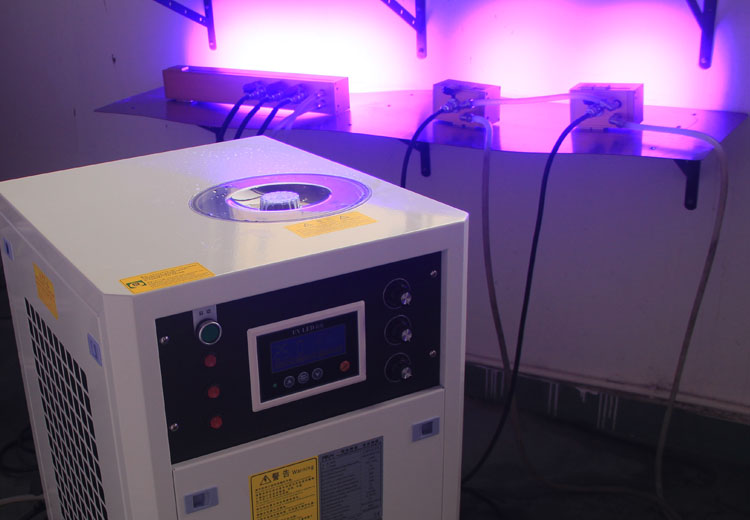
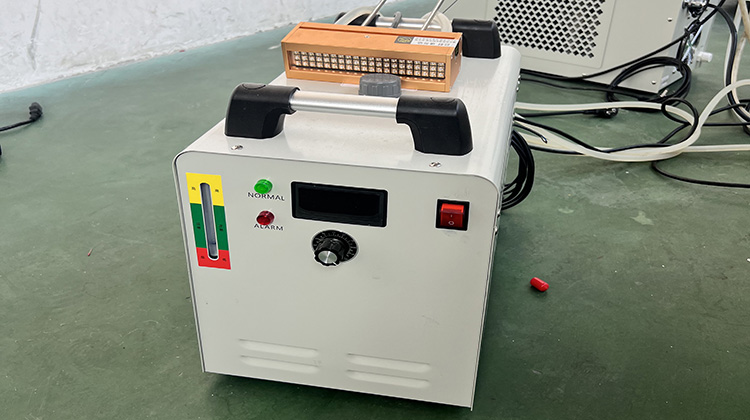
“Water cooling” and “air cooling” represent two distinct methods of heat dissipation. To understand the differing impacts these methods have in a production environment, one must first grasp a fundamental vulnerability inherent in LED UV lamps: the LED chips themselves are highly sensitive to heat. Although LEDs are classified as “cold light sources”—meaning the UV light they emit does not cause the surface of the product being irradiated to heat up—the ultraviolet radiation generated during operation possesses a high energy output, which inevitably generates a significant amount of internal heat within the chip. If this heat cannot be effectively dissipated, the resulting rise in temperature will directly lead to severe light decay (a reduction in brightness) and a shortened lifespan for the chips; in extreme cases, it may even result in the chips burning out completely. If you observe an LED UV lamp in a factory setting where a few individual chips on the light-emitting surface have gone dark, do not regard it as a strange phenomenon; it simply indicates that those specific chips have burned out. When only a few chips on a large light-emitting surface fail, the overall UV energy output of that surface typically remains sufficient to meet curing requirements without significant impact. However, if the issue is not addressed promptly—and as the high temperatures within the lamp head cause an increasing number of chips to burn out—the overall UV energy output of the light-emitting surface will eventually diminish so drastically that it can no longer satisfy the necessary curing standards. Consequently, the method of heat dissipation stands as a critical—and potentially fatal—factor for the performance and longevity of curing lamps. As the name suggests, air-cooled LED UV curing lamps rely on built-in fans to generate airflow; the heat produced by the LED chips is transferred to heat sinks and subsequently blown away by the moving air. This mechanism operates on the same principle as using an electric fan to cool oneself during the summer. Water-cooled LED UV curing lamps, conversely, feature an internal water circulation system connected to an external chiller unit. By leveraging the exceptionally high specific heat capacity of water, this system continuously and rapidly draws away the heat generated by the chips. It is akin to keeping the equipment constantly immersed in a “cold bath,” thereby ensuring a naturally superior level of heat dissipation efficiency.
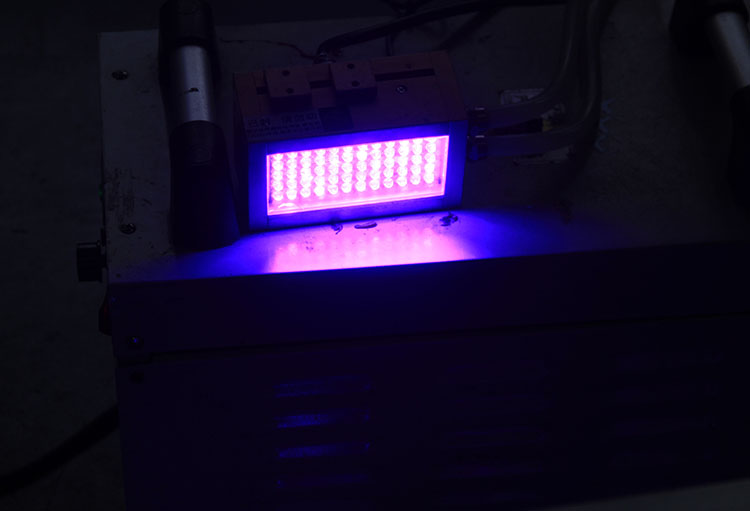
Additional Product Showcase Images: Water-Cooled LED UV Curing Lamps
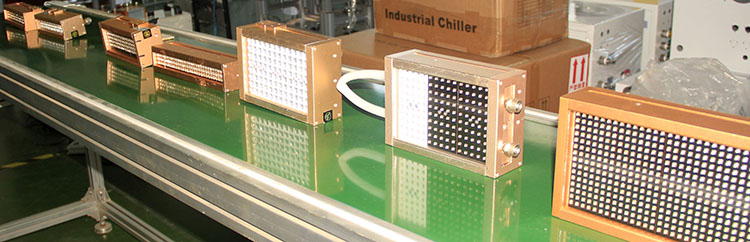
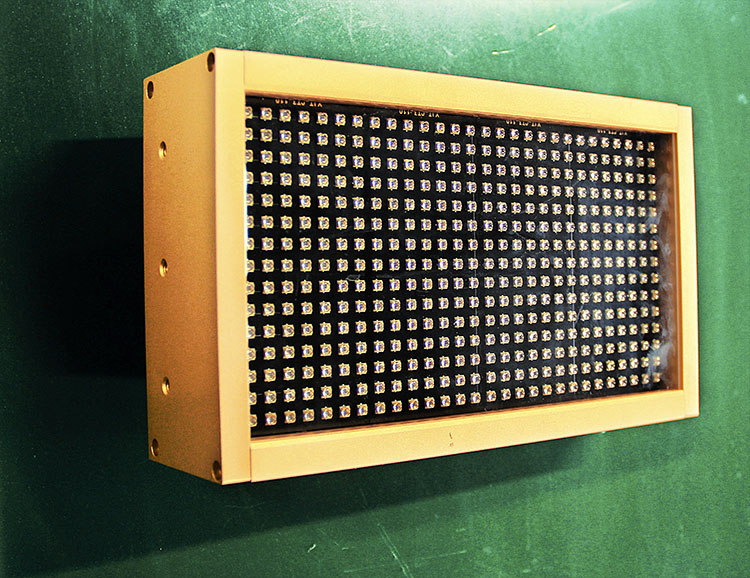
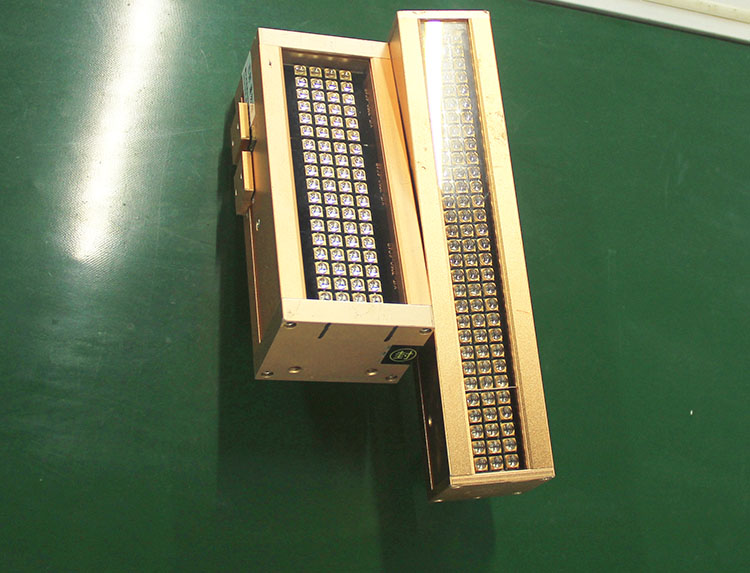
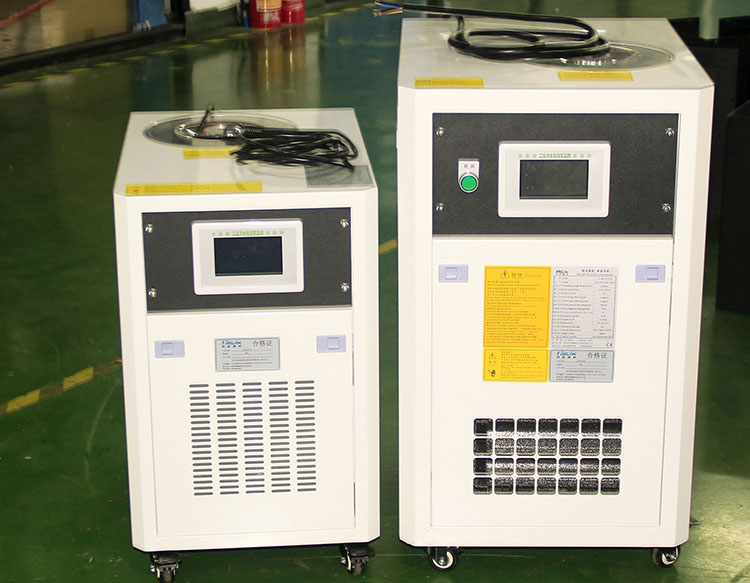
The primary advantage of water-cooled LED UV curing lamps in industrial manufacturing lies in their high energy output and high efficiency. If we focus on “energy” and “efficiency”—two core metrics of industrial production—water-cooled LED UV curing lamps naturally possess an unparalleled and overwhelming advantage.
1.High Energy Density: Capable of Easily Surpassing Limits. In contrast, air-cooling—constrained by the efficiency of air-based heat dissipation and the physical dimensions of cooling fans—can only accommodate a limited power output from LED chips. Once the power level becomes excessive, an air-cooling system simply “cannot keep up.” Water cooling, however, boasts powerful heat dissipation capabilities that allow manufacturers of UV curing lamps to densely array a greater number of higher-power LED chips in close proximity. This implies that water-cooled curing lamps can generate levels of ultraviolet energy—specifically, radiation intensity—that are many times greater than those produced by air-cooled systems. For applications requiring deep curing, or for use with specialized UV inks and adhesives that demand exceptionally high energy levels, such water-cooled curing lamps represent a prudent choice.
2.Rapid Curing Speed: This feature enables an exponential increase in product manufacturing efficiency on the assembly line—underscoring the principle that time is money. The curing speed directly boosts the overall production capacity of the entire line. Because water-cooled lamps deliver an exceptionally high intensity and energy output of ultraviolet light, inks or adhesives receive sufficient UV radiation instantaneously; consequently, UV-reactive materials—such as resins and photoinitiators—complete their chemical cross-linking reactions within mere microseconds. Products that previously required a 3-second exposure under air-cooled lamps to cure may now require as little as 0.5 seconds with water-cooled lamps. The rapid processing speed enabled by this high-energy output drives a quantum leap in the factory’s overall productivity.
3.Sustained and Stable Energy Output: Zero “Thermal Decay.” Air-cooled lamps—particularly those with higher energy outputs—often exhibit a phenomenon known as “thermal decay” after several hours of continuous operation; as the unit’s internal temperature rises, their ultraviolet energy output begins to decline. This leads to issues such as incomplete curing and poor surface drying in products processed during the later stages of the production run. In contrast, a water-cooling system—paired with a chiller—enables precise and consistent control over the lamp head temperature, maintaining it within an optimal operating range at all times. Whether during the very first minute of startup or after 24 hours of continuous operation, the ultraviolet energy output remains absolutely consistent, thereby ensuring the stable product quality required for applications demanding high-energy curing.
The primary advantages of air-cooled LED UV curing lamps lie in their lightweight design and cost-effectiveness. Given the superior performance of water-cooled systems, does this imply that air-cooled units are entirely without merit? Certainly not. The fact that air-cooled curing lamps command a significant share—nearly half—of the market attests to their own indispensable advantages: a compact footprint and ease of installation. Air-cooled lamps require no external chillers or water hoses, relying solely on a single power cable. For equipment retrofits involving limited space—or for applications where the required curing energy output is not exceptionally high—air cooling represents the optimal choice. It offers low initial costs and simple maintenance.
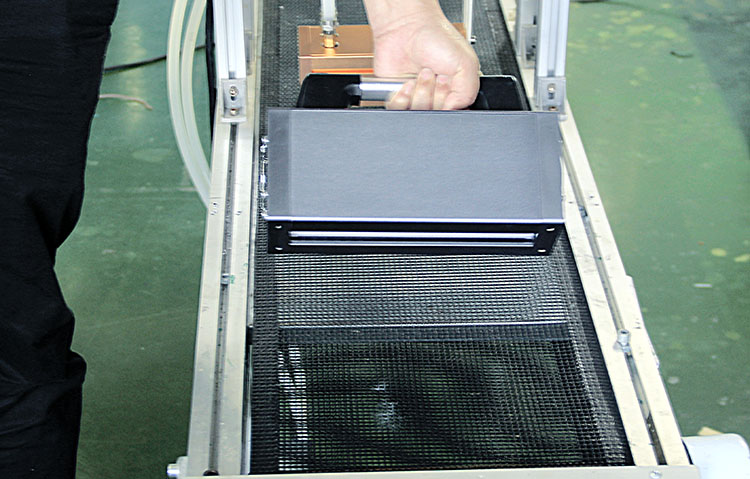
An air-cooled system eliminates the expense of a chiller, thereby reducing upfront capital investment. Furthermore, it requires no periodic water changes and eliminates concerns regarding leaking hoses or scale buildup, making for a truly hassle-free maintenance experience.
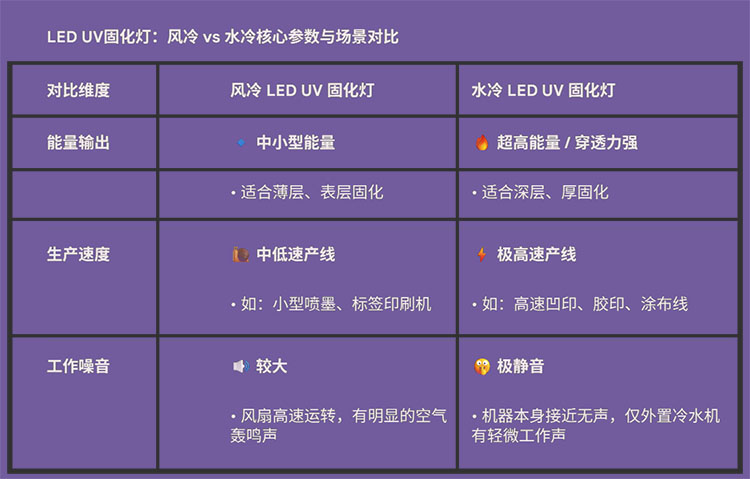
Based on the information presented above, we have formulated a systematic approach to help businesses make the right choice. When comparing these two types of curing lamps, the question is not which one is inherently “better,” but rather “which one is best suited for your specific production line.” If you operate a small-scale processing facility, handle advertising printing and lettering, or perform manual dispensing operations—where production speed requirements are modest and you prioritize equipment portability and cost-effectiveness—then an air-cooled LED UV curing lamp represents the most cost-efficient choice. However, if your assembly line demands high production efficiency and substantial daily output—or if your processes involve curing thick layers of screen-printed UV ink, curing UV adhesives that require high energy levels, or handling complex tasks such as curing irregularly shaped products—then a water-cooled LED UV curing lamp is the superior solution. With its ultra-high energy output, rapid curing capabilities, and exceptional stability, it serves as a powerful industrial tool that will significantly boost both your production capacity and product quality.