Recurring Sticking, Whitening, and Delamination? A 3D Collaborative Strategy for LED UV Lamps to Resolve Persistent UV Adhesive Curing Issues
News 2026-04-08
I. Four Core Pain Points in UV Adhesive Curing: Invisible Barriers Restricting Production Efficiency
In high-precision industries relying heavily on UV adhesive curing, such as electronic component assembly, optical lens bonding, and medical device packaging, manufacturers frequently face practical challenges that directly lower production yield and drive up overall costs, as detailed below:
- Uncontrolled Curing Quality: The Three Persistent Issues of Sticking, Whitening, and Delamination
Specific Problems: After UV irradiation, UV adhesives retain long-term surface tack (caused by oxygen inhibition), develop irregular white spots and bubbles in the adhesive layer. In glass‑metal bonding applications or extreme temperature/humidity environments (below −10°C / above 40°C), workpieces are prone to delamination and failure within 3–6 months of use.
Root Causes: Mismatch between curing lamp wavelength and the absorption peak of the photoinitiator in the UV adhesive (e.g., using a 395 nm device to cure adhesives requiring 365 nm excitation), irradiance uniformity below 85% (creating localized low-energy zones), and rapid curing that traps internal stress in the adhesive layer, forming microcracks.
Quantified Losses: Taking an electronic assembly line with a daily output of 10,000 units as an example, if the defect rate rises from 0.8% to 1.8%, direct annual losses from material waste and rework alone exceed ¥108,000. With added risks of customer returns and claims, hidden losses can reach 2–3 times direct losses.
- Imbalanced Cost Structure: Dual Pitfalls of Traditional Equipment and Low‑Cost LEDs
High Consumption of Traditional Mercury Lamps: Mercury lamp curing systems consume 8–10 times more energy than LED UV products, with daily power usage exceeding 40 kWh per unit and a service life of only 1,200–1,800 hours. Operating 300 days a year requires 2–3 lamp replacements, costing approximately ¥12,000 annually per unit. Mercury lamps also contain excessive mercury, incurring specialized hazardous waste disposal fees, and their strong infrared radiation raises workshop temperatures by 5–8°C, indirectly increasing air conditioning cooling costs.
Hidden Costs of Low‑Price LED UV Lamps: LED UV curing lamps priced below ¥2,000 typically suffer from poor thermal design, using simple aluminum heat sinks instead of heat pipes. This causes chip temperatures to exceed 70°C, leading to a 30% light decay within 3 months and irradiance dropping below 50% of initial levels after 6 months, requiring full module replacement at ¥800–1,200 per service. Annual maintenance costs often surpass the original purchase price.
- Dual Risks to Safety and Material Loss: Substrate Damage and Health Hazards
Irreversible Damage to Heat‑Sensitive Substrates: Intense infrared radiation from traditional mercury lamps and low‑quality LED UV devices instantly raises temperatures of optical glass, micro sensor chips, flexible PCBs, and other heat‑sensitive substrates by 15–20°C, causing deformation and performance drift. In precision optical manufacturing, such losses reach 3–5%, with single‑batch costs exceeding ¥10,000.
Potential Operational Safety Threats: While UV adhesives are non‑volatile and non‑toxic, direct skin exposure to high‑intensity UV radiation (200–400 nm) for over 10 seconds may trigger photosensitive dermatitis with redness, itching, and peeling. Long‑term unprotected exposure can cause chronic corneal damage and increased cataract risk.
- Poor Selection Decisions: Resource Waste from Misconceptions
Typical Misjudgments: Blindly chasing high power (assuming higher power equals better curing), e.g., using a 500W system for small components requiring only 100W; mismatching irradiation area to workpiece size, such as using a 10 cm wide lamp for 30 cm continuous workpieces, leading to incomplete edge curing; focusing solely on upfront price while ignoring lifecycle costs including energy, maintenance, and replacement.
Quantified Waste Analysis: Over‑powered LED UV lamps consume 3–5 times more electricity annually than properly sized models, adding ¥4,000–6,000 per unit in extra electricity costs. Equipment with poor irradiance uniformity requires 2 additional quality inspectors for manual sorting, increasing annual labor costs by ¥144,000 based on a ¥6,000 monthly salary per person.
II. Cost‑Effective Solution: 3D Collaborative Strategy for Cost Reduction and Efficiency Improvement
Addressing the above pain points without relying on high‑priced equipment, the 3D Collaborative Strategy — Precise Parameter Matching + Process Optimization + Equipment Scenario Adaptation — achieves stable, efficient UV curing while controlling costs:
- Precise Parameter Matching: The Core of Cost‑Effectiveness in Equipment Selection
Wavelength Matching: Obtain photoinitiator absorption data from adhesive suppliers before purchase. Mainstream UV adhesives fall into two bands:
365 nm: Preferred for clear adhesives and fine micro‑bonding (bond gap ≤ 0.1 mm). Absorptivity is 3.2× higher than 395 nm, boosting curing efficiency by 40%.
395 nm: Recommended for dark adhesives and layers ≥ 0.3 mm thick, improving penetration to prevent under‑curing in deep layers.
Scientific Irradiance and Uniformity Settings: Select an energy density of 100–800 mW/cm² based on curing requirements, with a 20% safety margin. For example, if the adhesive requires a minimum of 300 mW/cm², choose equipment rated 360–400 mW/cm² rather than over 1000 mW/cm². Require irradiance uniformity ≥ 90%, verified by supplier‑provided irradiance distribution reports to avoid localized defects.
Balanced Energy Consumption and Lifespan: Prioritize energy‑saving LED UV devices with a power ratio ≤ 0.1 kW/㎡, offering a service life of over 30,000 hours (15–20× that of mercury lamps), daily power use of only 4–6 kWh, and annual energy costs under ¥800. Select products with a chip warranty of ≥ 1 year to reduce maintenance risks.
- Process Optimization: Low‑Cost Improvements to Curing Stability
Permanent Fix for Sticking / Whitening: Adopt a two‑stage curing process:
Low‑power initial cure: 150–200 mW/cm² for 6–10 seconds to form a surface layer and reduce oxygen inhibition.
High‑power deep cure: 300–500 mW/cm² for 30–60 seconds to ensure full through‑curing.
Control adhesive thickness ≤ 0.2 μm and use formulations with flexible monomers to lower internal stress. Persistent surface tack can be resolved by increasing irradiance by 10–15% or using dual‑band (365 nm + 395 nm) equipment.
Environmental Adaptation:
Humid summer conditions (≥ 60% RH): Dry bonding surfaces with a 60°C low‑temperature hot air gun for 30 seconds before application.
Cold winter environments (≤ 15°C): Use low‑temperature tough adhesives with glass transition temperature ≤ −20°C to prevent embrittlement and cracking.
Maintain workshop conditions at 40–55% RH and 20–25°C to improve yield by 5–8%.
Enhanced Safety Protection: Invest under ¥500 per operator for professional UV protection kits (UV‑blocking goggles, long‑sleeve suits, nitrile gloves), install protective barriers and UV warning lights. Establish standard operating procedures: flush exposed skin with running water for 10 minutes followed by soapy cleaning. Conduct pre‑job screenings for allergy‑prone staff and implement job rotation as needed.
- Equipment Scenario Adaptation: High‑ROI Alternatives
High‑Efficiency Replacement for Mercury Lamps: Use medium‑power (300–500W) LED UV curing lamps (≈ ¥15,000) to replace mercury lamp systems. Annual energy savings exceed ¥8,000 and maintenance costs drop by 90%. With 300 operating days per year, investment is recovered in 14–18 months, ideal for 24/7 large‑scale production.
Scenario‑Based Equipment Recommendations:
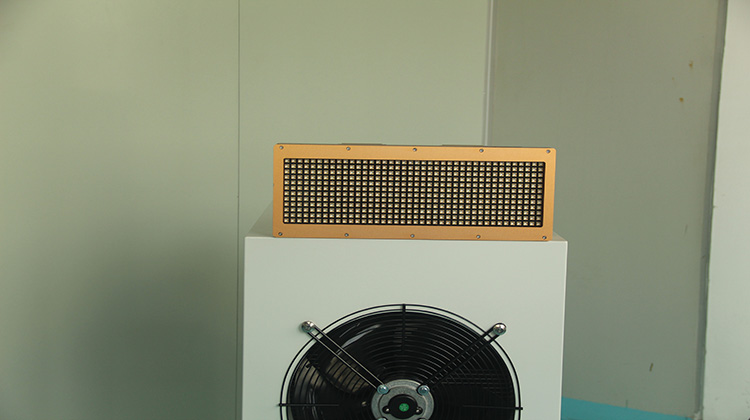
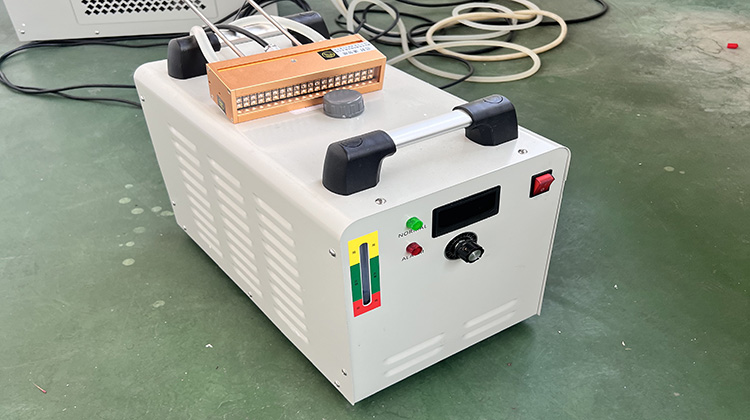
Small‑batch precision manufacturing (electronic pin bonding, micro sensor packaging): Air‑cooled LED UV spot light sources, 50–100W, precise 365 nm wavelength, adjustable spot diameter (1–10 mm). Price: ¥3,000–5,000, suitable for 500–2,000 units/day.
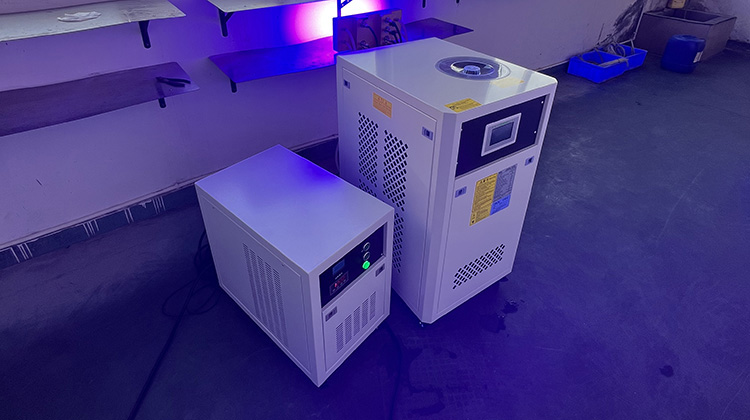
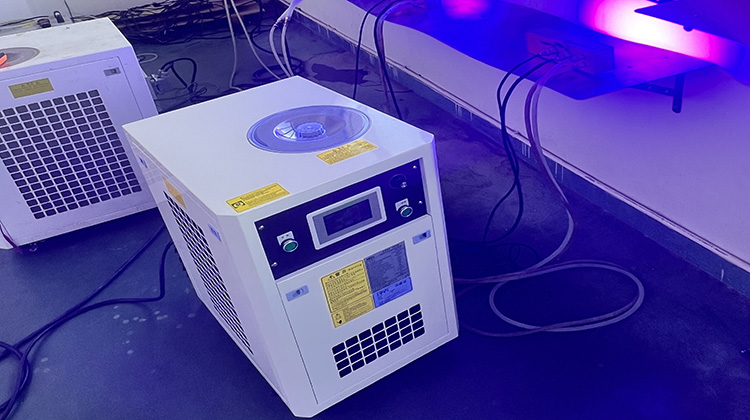
High‑volume continuous production (label bonding, medical catheter packaging, PCB conformal coating curing): Modular LED UV area light sources with customizable width (30–150 cm), water cooling maintaining chip temperatures < 50°C, irradiance uniformity ≥ 92%, seamless automation integration. Price: ¥10,000–30,000, suitable for > 10,000 units/day.
III. Three Key Implementation Principles to Ensure Effectiveness
Prioritize On‑Site Testing: Provide actual UV adhesive and workpiece samples to manufacturers for free curing trials before purchase. Verify irradiance distribution using a professional energy meter (accuracy ±5%), and validate performance via tensile testing (bond strength ≥ 2.5 MPa) and thermal cycling testing (−40°C to 85°C, 50 cycles with no delamination). Sign contracts only after passing verification.
Reject Parameter Redundancy: Specify parameters based on real needs. For example, small electronic parts do not require lamp heads wider than 20 cm; layers under 0.1 mm do not need irradiance over 500 mW/cm², avoiding waste from over‑specification.
Pre‑Arranged After‑Sales Support: Select vendors with local service capabilities, including on‑site installation and commissioning, chip warranty ≥ 1 year, and free semi‑annual irradiance calibration to ensure long‑term stability and minimize downtime and maintenance costs.
IV. Core Value Summary: Cost‑Effectiveness Equals Precise Matching
High value in UV adhesive curing does not mean cheap equipment, but precision alignment of wavelength‑irradiance‑adhesive, optimized processes, and scenario‑matched equipment, delivering three core benefits:
Yield improved to over 99%, reducing annual defect and rework losses by more than ¥100,000;
Equipment energy use cut by 80%, saving ¥5,000–10,000 per unit annually in electricity, with maintenance costs reduced by 90%;
Curing cycle shortened by 30–50%, boosting line throughput while lowering substrate damage and health risks.
LED UV curing has become the mainstream solution for UV adhesive bonding, offering concentrated energy, long lifespan, and environmental friendliness. The key is to avoid selection pitfalls and choose systems tailored to product characteristics, production scale, and process requirements. This transforms curing from reactive problem‑solving to proactive efficiency control, achieving dual optimization of productivity and cost management.