Low‑Temperature LED‑UV Curing: Prevent Burning and Yellowing for Thin‑Wall 3C Plastic Housings
News 2026-09-21
Thin‑walled plastic housings are widely used in modern 3C consumer electronics, including Bluetooth earphone casings, smart watch shells, mobile phone middle frames, wearable device covers and laptop decorative parts. Most of these components are made of heat‑sensitive PC, ABS and composite plastic materials. They go through screen printing, logo marking and UV adhesive bonding on automated production lines. Thermal damage in the UV curing station has long been a major pain point for manufacturers.
Traditional mercury UV lamps generate large amounts of infrared radiation alongside ultraviolet output. Even with adjusted conveyor speed, excessive heat raises the surface temperature of thin plastic parts rapidly. Common production defects include burn marks on housings, irreversible yellowing or fogging on transparent and light‑colored shells, and thermal warping of ultra‑thin walls. Once these appearance defects occur, the finished products have to be scrapped directly. Many production teams face a tricky trade‑off: run the line faster and risk incomplete curing with poor ink adhesion; slow down the conveyor and expose thin housings to longer heat exposure.
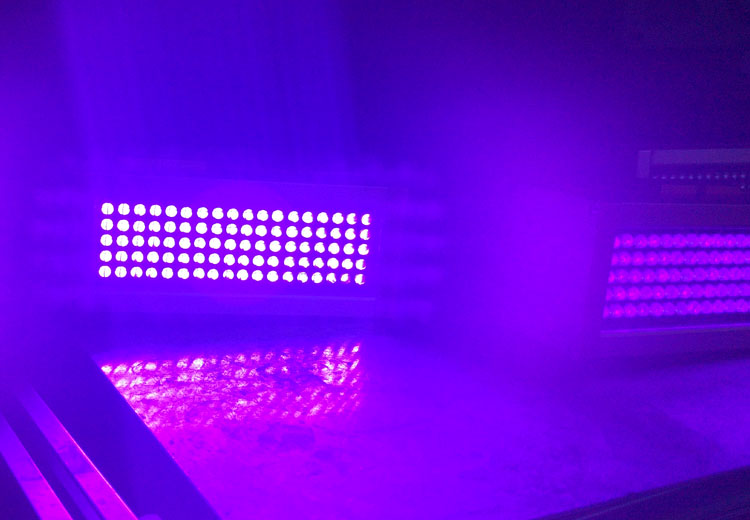
Low‑temperature LED‑UV curing lamps deliver targeted UV wavelength with minimal infrared heat radiation. The core advantage for 3C thin‑shell manufacturing is sufficient curing energy for UV inks and UV adhesives while keeping workpiece surface temperature within safe material tolerance ranges. It effectively eliminates local hot spots that cause burn marks and stops transparent or pale plastic housings from turning yellow after curing.
For high‑volume automated lines producing earphone shells and smart wearable components, consistent low‑heat output brings stable appearance quality across batches. Still, users should understand that “cold light” does not mean zero temperature rise. Photochemical reaction will create minor accumulated heat with long‑time close‑range irradiation. Overdriving lamp power may still cause temperature build‑up on ultra‑thin plastic walls.
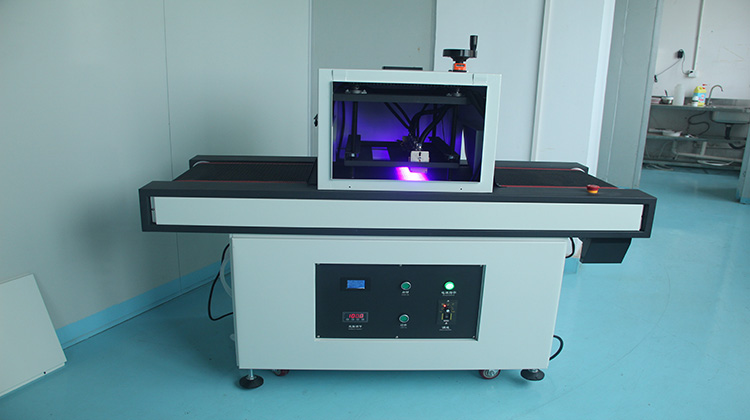
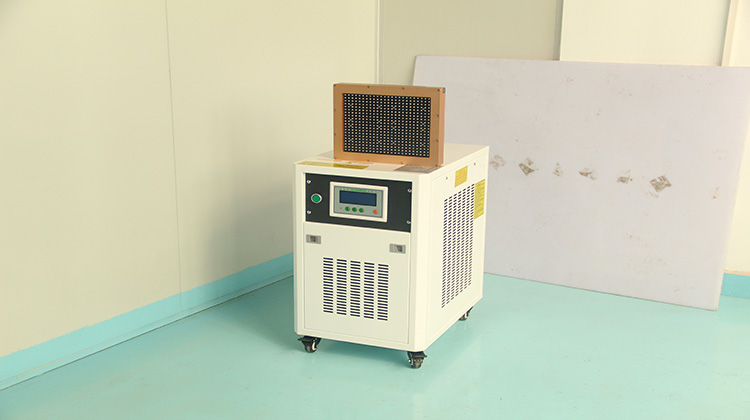
Equipment configuration matters for real‑world 3C production. Select LED‑UV curing units with reliable thermal management, choose air‑cooled or water‑cooled models according to production cycle requirements. Stable lamp operating temperature guarantees consistent UV energy output. Uniform light distribution across the emitting surface is equally important. Uneven energy creates localized hot zones, leading to partial burning even if overall power seems reasonable. Well‑balanced irradiation ensures every section of plastic housing receives matching UV dose without concentrated heat damage.
Switching from mercury lamps to LED‑UV solutions also improves working conditions on the production floor. Mercury lamps release massive waste heat, accelerating aging for jigs, fixtures and surrounding station hardware. Low‑heat LED‑UV reduces fixture wear and lowers workshop cooling load.
Process matching cannot be ignored to get the best result. Manufacturers need to use LED‑UV compatible UV ink and UV adhesive, typically 385nm or 395nm formulations. Old parameters inherited from mercury lamp processes do not transfer directly. Perform energy testing and surface temperature verification on actual thin‑wall samples. Confirm full cross‑linking of ink and adhesive meanwhile keep housing temperature below the heat‑resistance limit of plastic material.
For mass‑production 3C lines, LED‑UV cold light technology solves far more than basic curing requirements. It controls heat‑triggered appearance failures, reduces scrap and rework, and makes yield management easier for delicate thin‑plastic‑housing products.