LEDUV Curing Lamp: Iterative Upgrade of UV Curing Technology and the Logic of Mercury Lamp Replacement
News 2025-11-19
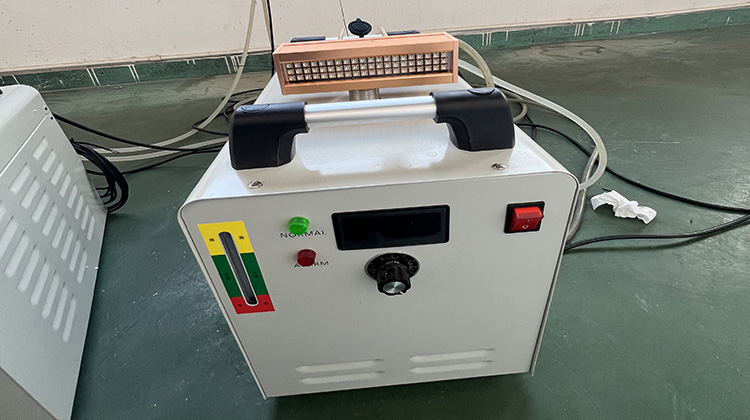
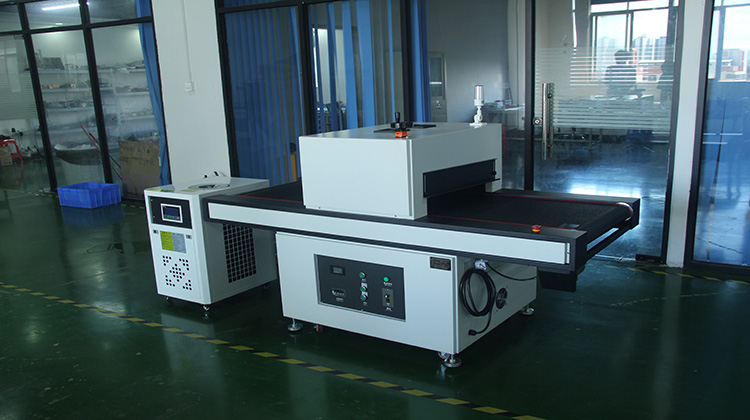
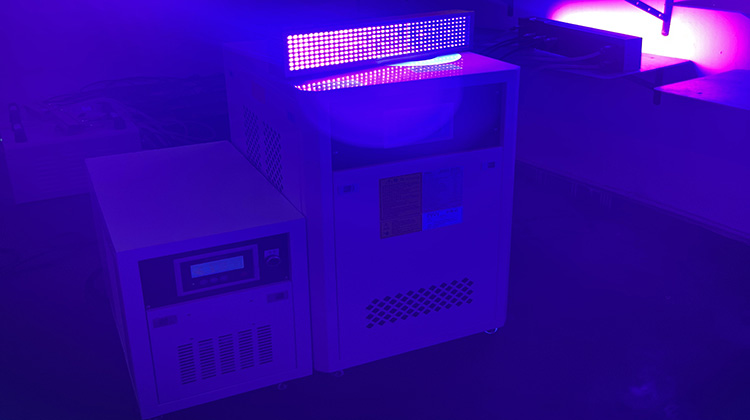
In the development of UV curing technology, LEDUV curing lamps have been chosen by various industries due to their technical advantages, gradually replacing mercury lamps. Their core competitiveness stems from precise alignment with the core requirements of UV curing and comprehensive optimization.
Traditional mercury lamps, as early curing equipment, have numerous technical drawbacks: their mercury content violates the environmental protection production requirements of social development, causing environmental pollution after disposal, and they generate ozone, posing health hazards. Additionally, their broad wavelength range leads to energy waste and inability to precisely match the absorption peak of curing materials, affecting curing effectiveness.

In contrast, LEDUV curing lamps emit no mercury and no ozone, meeting the green production requirements of the UV curing field. Their wavelength can be precisely customized to adapt to the absorption peak of ink photoinitiators, thereby enhancing curing speed and product stability. LEDUV curing lamps require no preheating and can be used immediately, with energy consumption at 30%-40% of that of mercury lamps. Their service life exceeds 20,000 hours, significantly reducing the operating and maintenance costs of UV curing processes.
In summary, LEDUV curing technology aligns with the societal development direction of efficiency, environmental protection, and precision, making it an inevitable choice to replace traditional mercury lamps.