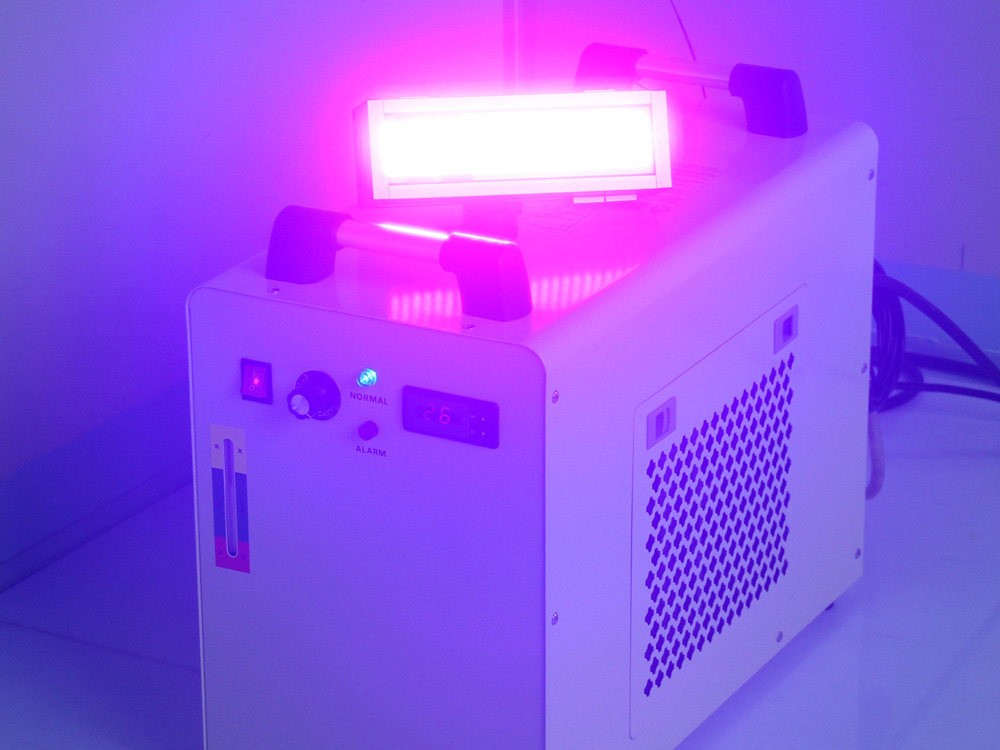
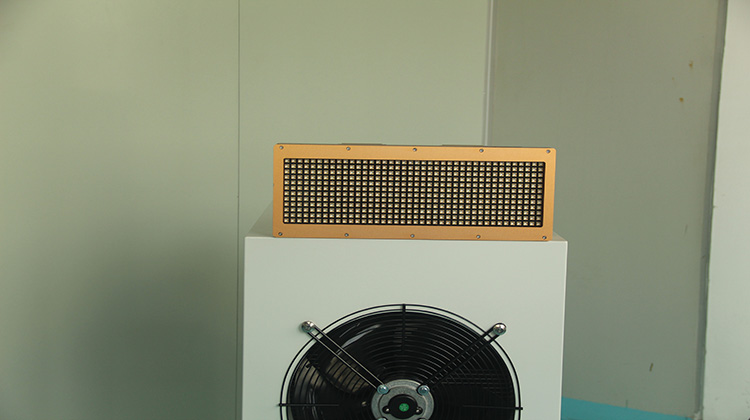
LED UV Light Curing (Cold Light Source) vs. Thermal Curing: Performance Comparison
News 2025-12-05
With the widespread application of LED UV light curing in the industrial sector, its high-efficiency performance has become commonplace. However, users still relying on traditional thermal curing remain unaware of the unique advantages of LED UV light curing. After reading this article, you will surely gain a brand-new understanding of the two technologies.
LED UV light curing typically adopts a free radical curing mechanism. Its system contains photoinitiators that generate free radicals upon exposure to UV light. In contrast, thermal curing requires heating or maintaining a specific temperature to trigger chemical reactions between two or more substances in the system, thereby achieving curing. The two curing methods differ fundamentally in their operational principles.
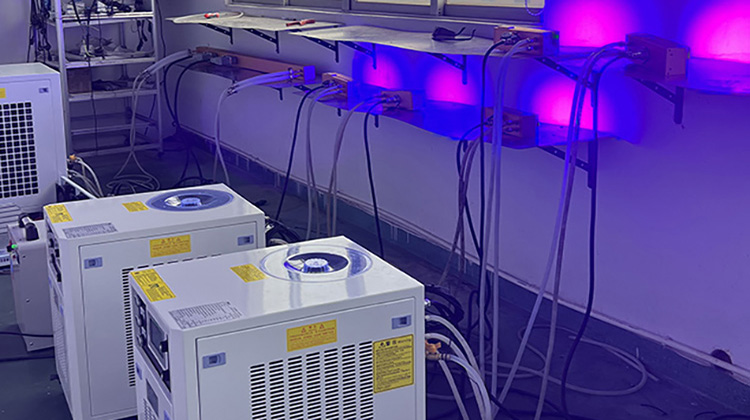
In terms of performance, LED UV-cured products boast excellent physical and chemical properties, high transparency, and enable high production efficiency. Nevertheless, their adhesion may be unsatisfactory under certain conditions. Thermal-cured adhesives, on the other hand, offer good flexibility but only moderate adhesion.
In terms of performance, LED UV-cured products boast excellent physical and chemical properties, high transparency, and enable high production efficiency. Nevertheless, their adhesion may be unsatisfactory under certain conditions. Thermal-cured adhesives, on the other hand, offer good flexibility but only moderate adhesion.
As technological innovation continues to advance, the performance of UV curing technology will be further optimized. Currently, UV curing has expanded from industrial applications to sectors such as nail art and furniture manufacturing. It is believed that in the near future, UV curing will replace thermal curing—for green, environmentally friendly, and high-efficiency technologies represent the inevitable trend of industrial development.