How Modern LED‑UV Curing Equipment Solves Real‑World Production Headaches
News 2026-09-02
For many production‑floor managers, curing has long been one of those overlooked bottlenecks that quietly eat into profit margins.
Traditional mercury‑based UV lamps were once the default choice across screen printing, electronics assembly and surface‑coating workshops. Yet factory teams learned to live with a long list of recurring frustrations. Every morning, staff would switch the lamp on and wait several minutes for it to warm up before production could start. After months of continuous operation, light energy slowly dropped off, creating inconsistent curing results that led to sticky glue layers, poor ink adhesion and unexpected rejected parts. On top of that, high‑temperature radiation from mercury lamps made it risky to process thin, heat‑sensitive plastic components, forcing manufacturers to slow down conveyor speeds to avoid heat damage.
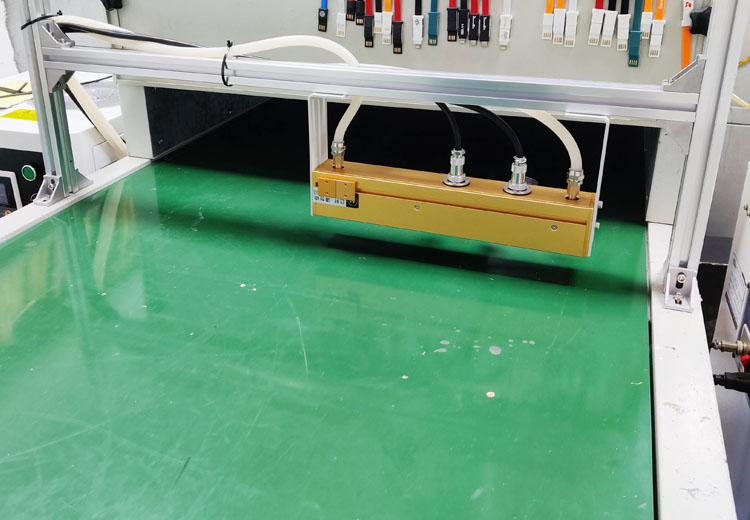
Over the last several years, more and more workshops have swapped out these older systems for LED‑UV curing hardware, and the shift has brought tangible, day‑to‑day improvements to routine manufacturing work.
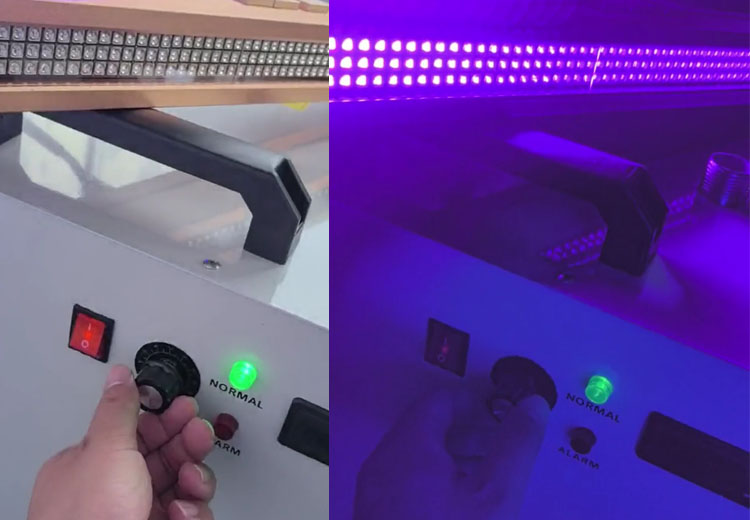
One of the most immediate benefits operators notice is the lack of required warm‑up time. LED‑UV lamps reach full‑power output the second they are switched on. Production lines no longer lose minutes waiting for lamps to heat up at shift start‑up or after temporary stops. For high‑speed conveyor‑based workflows, this simple change adds up to noticeably higher daily throughput, without requiring costly upgrades to other parts of the production system.
Heat reduction has proven equally valuable. Unlike mercury lamps that waste most of their energy generating infrared heat, LED‑UV units deliver targeted ultraviolet energy while keeping surface temperatures much lower. This cold‑light curing capability opens up new processing possibilities for manufacturers working with easily warped plastic parts, thin‑film materials and delicate electronic assemblies that cannot tolerate high‑heat exposure. Factories no longer need to run slow‑speed, low‑temperature cycles just to protect finished goods from thermal harm.
Long‑term running costs are another major factor driving adoption. Mercury bulbs usually require replacement every few hundred to one thousand working hours. The recurring cost of new lamps, plus labour downtime during swap‑outs and special hazardous‑waste disposal fees, adds significantly to yearly operational spending. Well‑built LED‑UV lamp modules can run for 20,000 hours or longer before needing attention. Although the upfront purchase price tends to be higher, many production facilities find they recover the extra investment within less than one year from savings on electricity, spare‑part purchases and waste‑handling fees.
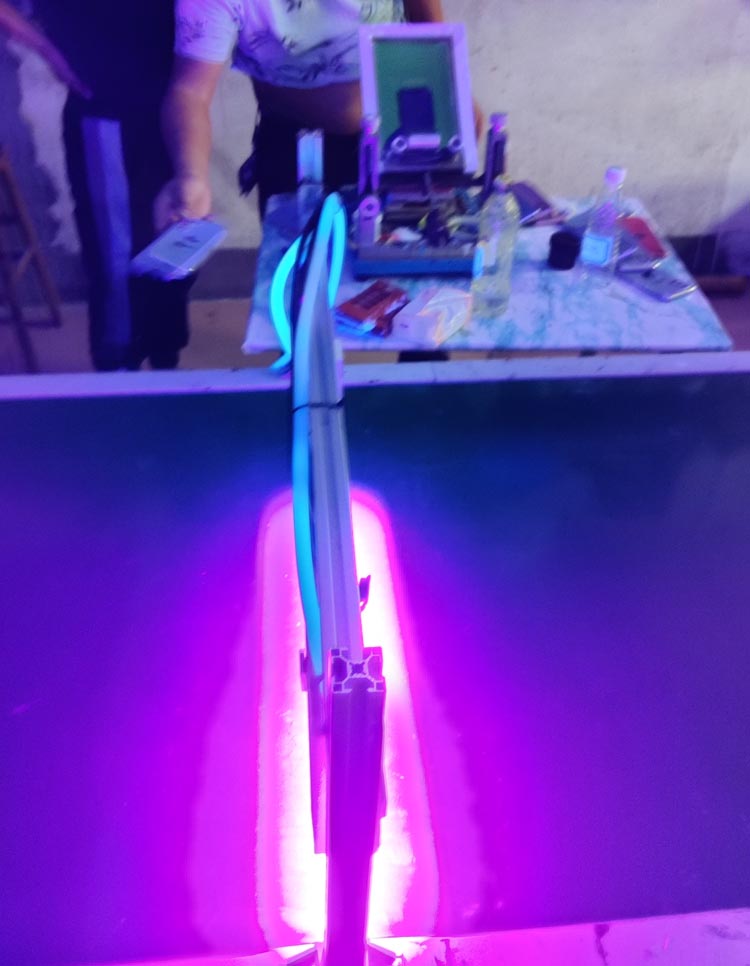
That does not mean LED‑UV curing is a one‑size‑fits‑all magic fix for every job. Getting stable, repeatable results still requires careful setup. Matching the lamp wavelength to your UV glue or ink formulation remains critical. If the ultraviolet spectrum from your light source does not align with the photoinitiator inside your coating material, incomplete curing can occur, even when you are using a high‑power lamp. Cooling system maintenance is also important. Both air‑cooled and water‑cooled LED‑UV lamps rely on consistent heat removal. Dust‑clogged fans or poor water circulation will gradually reduce light output and shorten the working life of your LED chips. Regular energy‑output testing with UV‑measuring instruments helps catch these hidden performance drops long before bad batches start rolling off the line.
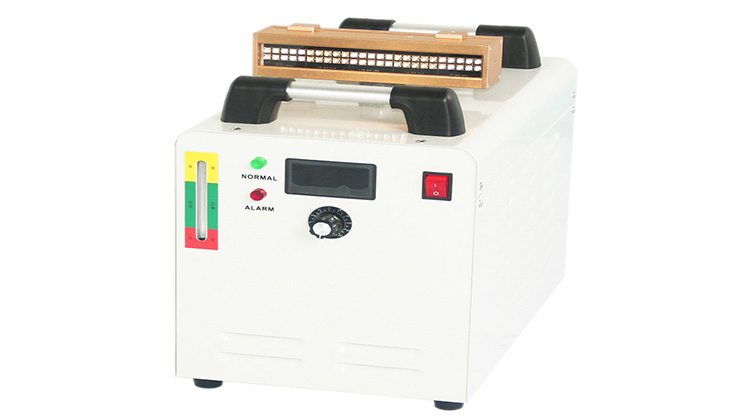
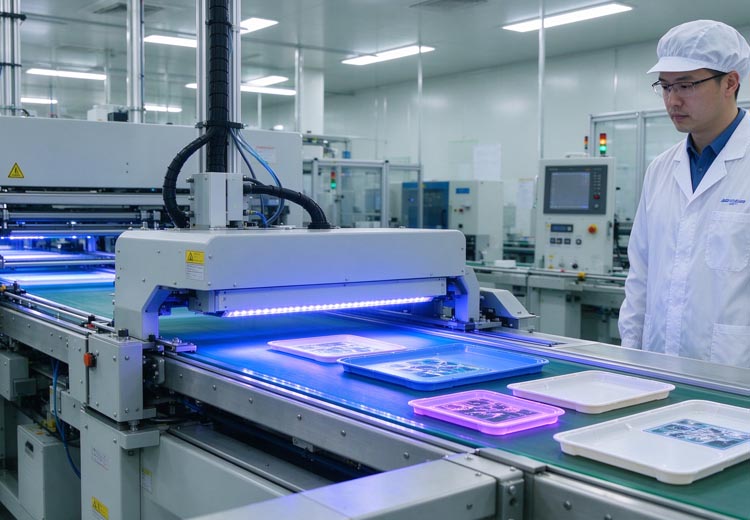
Flexibility is one of the technology’s strongest selling points for growing businesses. Many LED‑UV lamp heads are designed to be mounted directly over existing conveyor belts, making retrofits far simpler than installing entirely new curing stations. Lamp energy output can usually be adjusted, so teams can fine‑tune ultraviolet dosage when switching between thick glue layers, dark‑coloured inks or thinner surface coatings. This adjustable‑power functionality lets one single curing system support multiple different products on the same production line.
Looking ahead, industrial UV curing will continue moving steadily away from mercury‑dependent technology, pushed forward by stricter global environmental regulations and the constant pressure on factories to boost efficiency. For manufacturers currently weighing whether to upgrade their curing workflow, the decision should not rest on marketing buzzwords alone. The best approach is to run real‑world trial tests on your exact materials, measure curing quality, heat levels and cycle times, then compare long‑term operating costs before committing to new equipment.
When properly specified, installed and maintained, modern LED‑UV curing hardware removes many of the long‑standing, everyday headaches that have slowed production teams down for decades.