Creating Tactile Relief Effects on Glass with LED-UV Curing
News 2026-06-28
When LED-UV curing lamps are applied to the packaging and printing of glass products, they transform ordinary glass—already enhanced with hot stamping and screen-printed, textured inks—into a premium-looking item, allowing the brand to stand out amidst mediocre competition. This manufacturing process, which simultaneously satisfies visual, tactile, and aesthetic sensibilities, represents a game-changing competitive advantage in sectors ranging from glass cosmetics packaging to household goods and 3C electronics.
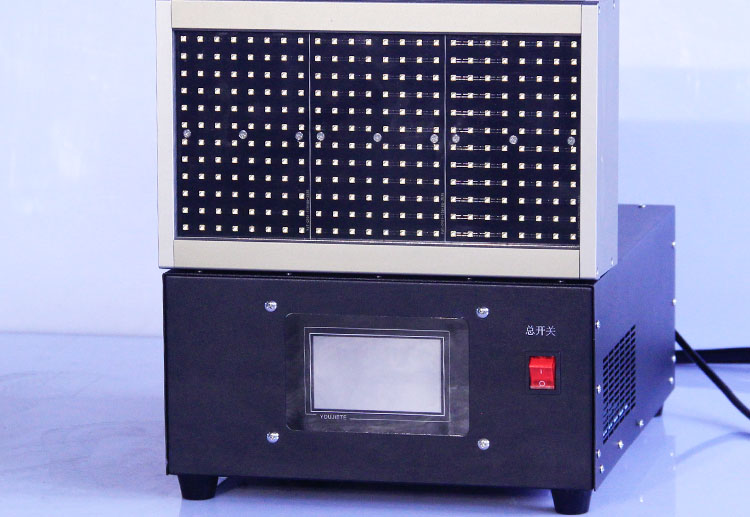
Today, let’s take a closer look at using LED-UV curing lamps to cure UV inks on glass.
1.The Tactile Relief Effect Produced by LED-UV Curing
Flat packaging designs for glass products offer only a visual experience. Even if a high-end textured effect is designed, without the right manufacturing process to bring it to life, the design remains merely a flat visual representation. The actual tactile sensation when holding the product provides a genuine, direct experience. The process begins by screen-printing UV ink onto the glass surface; then, the LED-UV curing lamp—the star of the show—rapidly cures the ink, setting the textured pattern so it won’t peel, scrape, or rub off. The ink’s thickness creates a three-dimensional feel—a hallmark of screen printing. In the competitive landscape of new, eco-friendly industrial products, UV inks characterized by excellent moldability, strong adhesion, and rapid curing speeds are setting the standard for the industry.
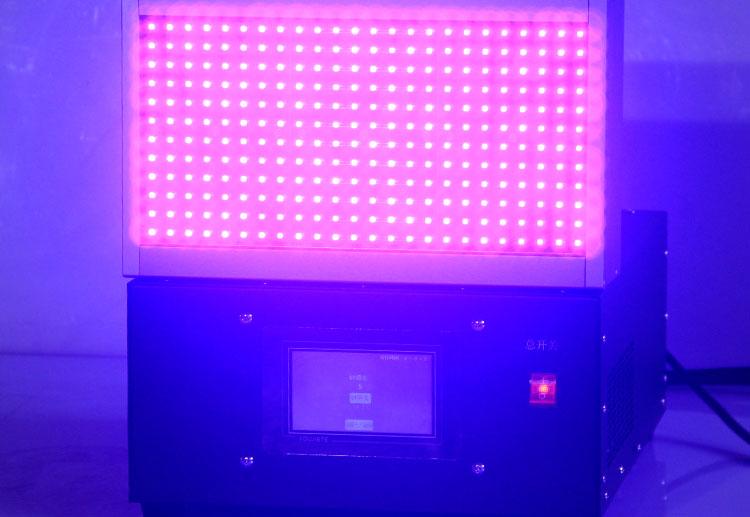
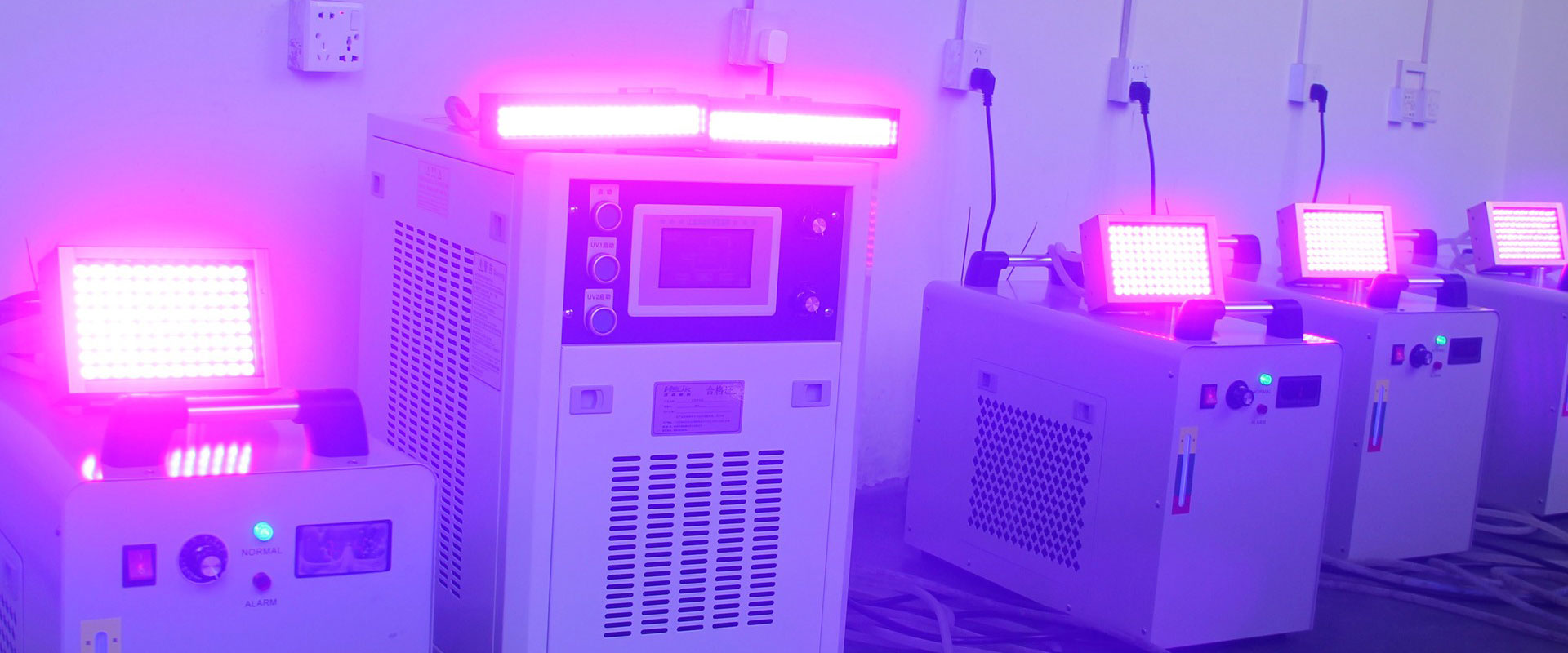
We know that liquid substances experience increased molecular activity as temperatures rise; high-temperature thermal drying can lead to issues with the material’s structural integrity. Even traditional mercury-vapor UV lamps face this problem, as they generate significant heat alongside UV radiation, causing some UV inks to undergo slight “leveling” (spreading or flattening) during the curing process. In contrast, LED-UV lamps emit pure UV light within a narrow wavelength band without generating excess heat. Consequently, when the UV ink is exposed to the 395nm wavelength, cross-linking polymerization occurs instantly; the ink cures fully without a significant rise in temperature. The value of this industrial manufacturing process lies not only in effectively shaping the product’s contours but also in endowing the product and brand with a distinctive, premium feel. It appeals to the sense of touch as much as the eye: when consumers pick up the glass bottle, the tactile texture felt by their fingertips instantly elevates the product’s perceived quality. This unique tactile interaction is something traditional printing processes struggle to match.
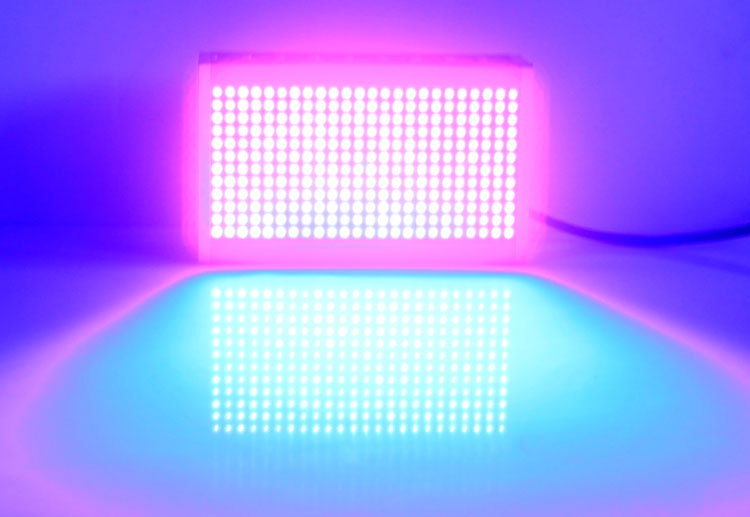
2.The highly concentrated energy of LED-UV curing lamps is the finishing touch that elevates glass products to a premium level.
Breakthrough upgrades in the output wavelength technology of LED curing chips are paving the way for advancements in industrial manufacturing. The concentration of high energy and the output of pure ultraviolet light ensure that a greater proportion of input electrical power is converted into useful UV wavelengths. Compared to mercury lamps, LED-UV lamps generate negligible amounts of stray or useless wavelengths and operate at lower instantaneous curing temperatures; these characteristics make them 80% more energy-efficient than mercury lamps, as more power is converted into the UV energy required to effectively cure the ink. This high-energy light curing enables UV ink layers to achieve thorough, deep curing—ensuring consistency from surface to core. It creates an environment for the instantaneous curing of textured inks, eliminating issues where insufficient energy leaves the surface dry while the interior remains uncured. This results in robust adhesion and excellent abrasion resistance for the printed graphics.
On the factory floor, every minute incurs costs; the instant-on capability of LED-UV curing lamps eliminates the need for warm-up periods, thereby reducing wasted preparation time. After screen printing, glass bottles pass under the LED-UV lamp on the assembly line for instant curing, allowing them to proceed immediately to packaging. This represents an ideal solution for factories to reduce costs while simultaneously enhancing product quality and operational efficiency.