395nm LED UV Curing Lamp for Screen‑Printed Patterns on Glass Surfaces
News 2026-09-04
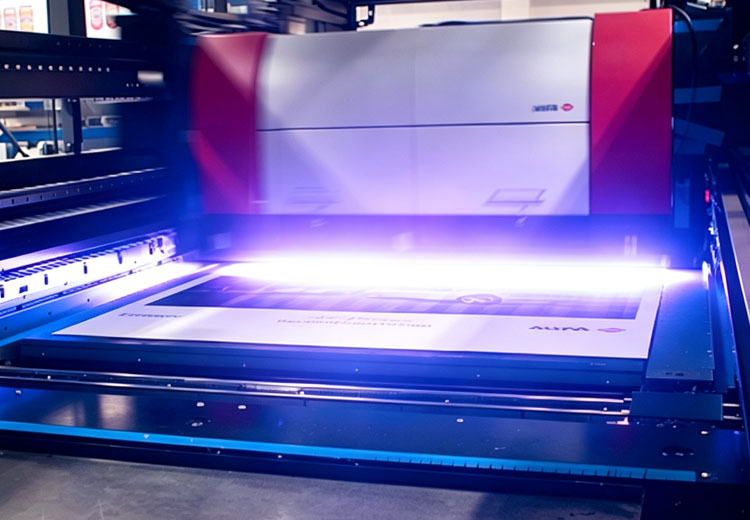
Glass screen printing remains one of the most popular ways to add logos, decorative graphics and functional markings to glass panels, tempered glass, bottle surfaces and display covers. However, printing UV ink directly onto glass brings unique curing challenges. Unlike porous materials such as paper or wood, glass has a completely smooth, non‑absorbent surface. The UV ink sits on top instead of sinking into the material. Without sufficient, evenly distributed ultraviolet energy, the printed layer may stay sticky, peel off easily after drying, or develop fine cracks after short‑term use. This is where a 395nm LED UV curing lamp becomes a reliable industrial solution for glass screen‑printing production.
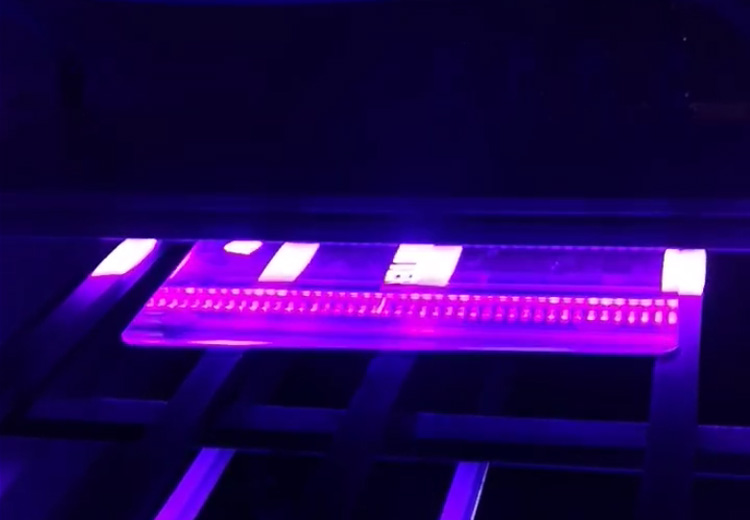
395 nm is a well‑tested, user‑friendly ultraviolet wavelength for most screen‑print UV inks designed for glass substrates. Many ink manufacturers formulate their glass‑grade UV printing ink to respond strongly to light within the 395 nm spectrum. Compared with shorter‑wavelength options like 365 nm, 395 nm LED UV lamps deliver strong surface curing performance while generating relatively less heat during long‑hour operation. For thin printed ink layers on flat glass, this wavelength balances fast curing speed and gentle cold‑light output, lowering the risk of thermal stress on finished glass products.
One of the biggest advantages of using LED‑UV equipment for glass screen printing is its cold‑light curing feature. Traditional mercury UV lamps release large amounts of infrared heat. When hot UV radiation hits printed glass, sudden temperature rises can create tiny internal stress inside tempered or thin glass sheets. In serious cases, heat may even cause glass cracking, ink shrinkage or warping of coated layers. As a cold‑light source, the 395nm LED UV curing lamp keeps the surface temperature of glass much lower throughout the curing process. The printed ink hardens through photochemical reaction instead of heat drying, so decorative patterns bond firmly to glass without high‑temperature damage.
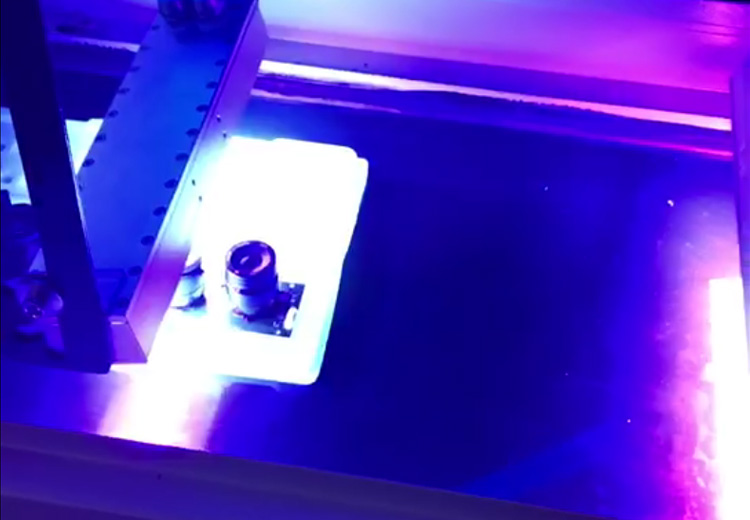
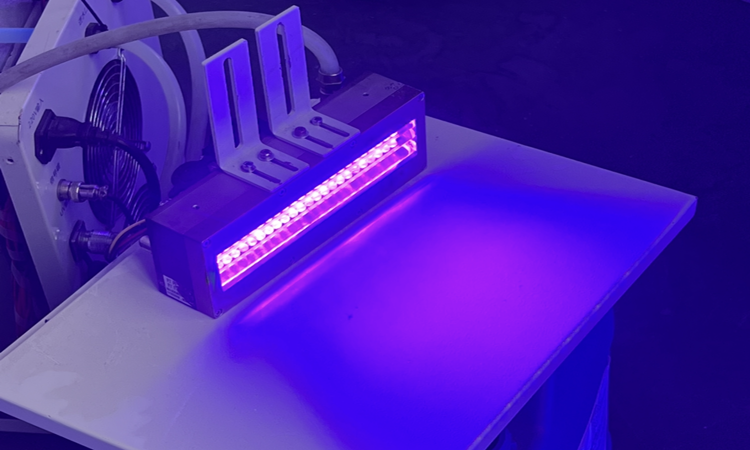
Uniform light coverage is another critical detail that many printing workshops overlook. Glass‑printed ink will fail if some areas receive strong UV energy while others get insufficient exposure. When you install a 395 nm wide‑surface LED UV lamp above your screen‑printing conveyor line, every part of the printed graphic gets consistent ultraviolet dosage. There will be no weak‑curing blind spots along the edges of large‑size glass panels. Even wide glass sheets can pass under the lamp in one single pass, removing the need for repeated printing and irradiation cycles that slow down your production speed.
This curing method fits well into automated screen‑print workflows. Most industrial‑grade 395nm LED UV curing lamps support instant on‑and‑off operation with zero warm‑up waiting time. Once the printed glass moves out from under the screen‑printing frame and travels along the conveyor belt, it can enter the UV irradiation zone right away. Curing is usually completed within seconds. Factories can easily mount the lamp head above existing conveyor equipment, without making large‑scale changes to their original printing production layout.
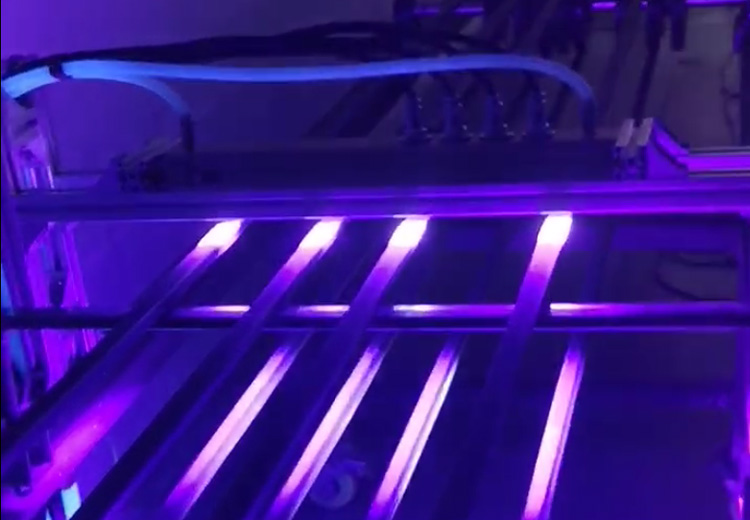
When preparing to cure screen‑printed glass with a 395 nm LED UV lamp, there are a few practical setup tips to achieve stable results. First, double‑check that your screen‑print UV ink is compatible with the 395 nm wavelength. Some special high‑adhesion glass inks may require a different spectrum. Second, adjust the distance between the lamp surface and printed glass, and test your conveyor running speed before mass production. Too‑fast line speed leads to incomplete curing, while overly slow speed wastes production time. Third, clean the glass surface thoroughly before printing. Dust, oil stains or residue on glass will prevent the UV ink from forming a strong long‑lasting bond.
For glass product manufacturers who want durable, scratch‑resistant screen‑printed markings, switching to 395nm LED UV curing brings clear long‑term benefits. It reduces ink peeling‑off rejects, keeps glass safe from heat‑related damage, and raises daily conveyor‑line output. As an energy‑saving, low‑maintenance curing technology, it has gradually replaced old mercury lamp systems in many glass‑printing workshops around the world.